Languages
Tuesday, October 20, 2026



News and Views from the Global South

Trawlers Glide Past International Fishing Laws
Somali pirates on the southwest Indian Ocean have become one of the biggest security risks for commercial maritime shipping over the last several years. But even as piracy gave rise to international furore, an unlikely benefactor emerged: bluefin tuna stocks in the Indian Ocean.
War Tourism Skips Reality
The tour guide’s voice echoes around the dark, musty room, three stories underground. Fifty visitors – among them mothers holding infants, youths snapping pictures on mobile phones and grandparents leaning against the walls – are crammed into the narrow stairwell that leads down into the chamber, listening attentively to his every word.
War’s End Threatens Water Supply in Northern Sri Lanka
War is seldom good for anything, especially protracted conflicts like the one in Sri Lanka, which dragged on for over three decades and claimed between 80,000 to 100,000 lives.
Extreme Weather Hits the Poor First – and Hardest
The old adage ‘nature is the great equaliser’ no longer holds true in countries like Sri Lanka, where the poor bear the brunt of extreme weather events.
Three Years of Peace But No Sign of Prosperity
Mamaduwa, a remote village in Sri Lanka’s northern Vavuniya district where scorching winds blow across parched earth, is trying to forget the past.
Abused Children Face Long Wait for Justice
In 2011, 1,463 cases of sexual exploitation of children were reported to the Sri Lankan Police, who found every single complaint to be genuine and opened investigations.
New Plans to Protect Nature
At the close of the ten-day World Conservation Congress that ran from Sept. 6-15 on the South Korean island of Jeju, members of the convening International Union for Conservation of Nature (IUCN) agreed on an ambitious four-year action plan for protecting global natural resources.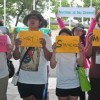
Companies Calculate Their Debt to Planet Earth
As ravenous consumers of natural resources, companies are beginning to recognise that they owe a monetary debt to the planet, and are sharpening their pencils to calculate it.
Saving the Top 100 Threatened Species – a Question of Valuing Life
The Red River Giant softshell turtle (Rafetus swinhoei) is the stuff of legend in Vietnam. The fabled turtle in Hanoi’s Hoan Kiem Lake is popularly known by the name Kim Qui or Golden Turtle God, and it made its first historical appearance in 250 BC.
IUCN Puts the Accent on Business
The outcome of the June Rio+20 UN conference on sustainable development was the undisputed inability of governments to come to an agreement on moving ahead to protect the planet. Three months later, the International Union for Conservation of Nature (IUCN) is proposing what can be done as a collective.Getting Into the Business of Environment
Regulations that stand in the way of conservation programmes lower their likely success, experts warned at the World Conservation Congress of the International Union of Conservation of Nature (IUCN) in Jeju, South Korea.
Environment Congress Looks First at the Island It’s Meeting On
Before business could get under way, the controversy had to be dealt with. That appeared to be the strategy of the South Korean government just before the opening of the high profile International Union of Conservation of Nature (IUCN) World Conservation Congress here on Thursday.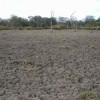
As Temperatures Rise in Sri Lanka, Drought Wreaks Havoc
It is a time of extreme heat and anxiety in Sri Lanka. Even the rains last week felt like a sudden burst of cold water on the smouldering asbestos sheets on most Sri Lankan household roofs, creating a blast of cold air before the heat returns once the rains end.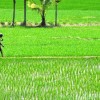
Study Links Kidney Disease in Sri Lanka’s Farm Belt to Agrochemicals
A new report links the high prevalence of chronic kidney disease in Sri Lanka’s main agricultural production regions with the presence of heavy metals in the water, caused by fertiliser and pesticide use.
A Plea to a Pirate
The simple sentences six-year-old Minadi writes on paper should delight her mother. Instead, Vilasini Wakwella despairs over their content.
Breaking the Ghostly Silence on Rape
It was the ghostly silence that struck him hardest as he walked through the Colombo suburb of Kirulapone the day after the lifeless body of a six-year-old girl had been discovered floating in a filthy canal, Kumar de Silva, a well-known local media personality, told IPS.
When the Rains Don’t Fall
For many Sri Lankans, the effects of climate change can be summed up in one word: rainfall.
A Grim Search for the Missing
A bloody civil war was reaching its climax but this Tamil family, who had already experienced the conflict intimately, had one last decision to make that would prove to be the hardest one of all.
Sri Lanka Emerges as Launchpad for Human Smuggling
If you hold a Pakistani or Afghan passport, be prepared for an unusually lengthy immigration process on entering neighbouring Sri Lanka. Immigration authorities in the island tell IPS they have set up special procedures to check passengers from these two countries.
Going It Alone After the Rio Circus
The works starts now, UN Secretary-General Ban Ki-Moon said at the conclusion of the summit on sustainable development in Rio last week. This was about the only UN statement that civil society groups seem to agree with. It is on the precise task at hand that they differ.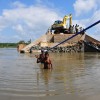
Awareness of Climate Change Must Go Mainstream
Addressing a group of journalists during a workshop in Bangkok, Ali Raza Rizvi, Asia head of the International Union for the Conservation of Nature (IUCN)’s regional climate change and resilience programme, noted that many Asian countries have become ‘disaster friendly’.« Previous Page — Next Page »





The Week with IPS

NEXT STOP - SDGs
Tracking global progress towards a sustainable world
Tracking global progress towards a sustainable world
