Languages
Tuesday, October 20, 2026



News and Views from the Global South
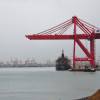
Seeking More Indian Business, With Chinese Help
As he stood on the westernmost edge of Colombo’s new harbour expansion, it was hard for Priyath Bandu Wickrema - the man tasked with reinventing the port as a regional giant - to cap his enthusiasm.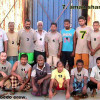
Waiting for a Word, and a Voice
A listing ship taking in water and facing up to the treacherous Indian Ocean monsoon is hardly cause for optimism.
War or Peace, Sri Lankan Women Struggle to Survive
It has been four years since the guns fell silent in Sri Lanka’s northern Vanni region, after almost three decades of ethnic violence. Unfortunately peace does not mean the end of hardship for the most vulnerable people here: the women.
Climate Change to Determine Economic Growth
The Monetary Board of Sri Lanka’s Central Bank, tasked with keeping the island’s economy on an even keel, does not only keep tabs on exchange rates, gold prices and inflation – it also has an eye on a less obvious indicator of economic stability: water levels in the country’s main reservoirs.
Former War Zone Craves Democracy
For the first time since Sri Lanka’s 30-year-long civil conflict drew to a bloody finish in May 2009, casting an eerie hush over the Northern Province that had grown accustomed to the sounds of war, there is a buzz in the air generated by the prospect of provincial elections that hold the promise of radical change.
In Sri Lanka, the Tempest Comes Unannounced
It was several hours before dawn when Afthas Niflal, a young fisherman in southern Sri Lanka, felt the sea start to rumble beneath him.
The Himalayas Are Changing – for the Worse
Residents of Jhirpu Phulpingkatt, a village nestled in the foothills of the Himalayas, about 110 km from Nepal’s capital Kathmandu, are on red alert.
The Sri Lankan Monsoon, Better Prepared Than Sorry
The monsoon in Sri Lanka is always a much-awaited event. There is something about the sight of the gathered clouds, the washed trees and the drenched landscape that stirs romance even in the most hardened of souls.
South Asia in Search of Coordinated Climate Policy
With a combined population of over 1.7 billion, which includes some of the world’s poorest but also a sizeable middle class with a growing spending capacity, South Asia is a policymaker’s nightmare.
Still Homeless, Two Decades Later
The camp should not have been difficult to find. We were told to drive straight on the road that leads north away from the town of Puttalam, 140 kilometres from Sri Lanka’s capital Colombo, and we would come upon the settlement of internally displaced people.
Troubled New Year Begins in Sri Lanka
The eve of the much anticipated Sinhala and Tamil New Year, celebrated across the island of Sri Lanka in mid-April to mark the end of the harvest season, was marred by a series of attacks, reminding everyone that “peace” does not mean a lack of violence.
When a Tsunami Comes, Tweet
Soon after the deadly tsunami struck Kesennuma city in the Miyagi Prefecture in Northern Japan on Mar. 11, 2011, 59-year-old Naoko Utsumi found herself on the rooftop of a community centre with only one line of communication to the outside world – the email option on her mobile phone.
Changing Weather, Changing Fortunes
Sri Lanka has paused for breath after the extreme weather conditions last year that many associate with climate change.
After the Tigers, Fishers Face Poachers
The sea is all that 40-year-old Arul Das has mastered. From looking at the clouds or from the direction of the wind, this fisher from northern Jaffna can predict the condition of the sea fairly accurately.
24 Nails Dug Into Body, Luckily
Lahandapurege Ariyawathie feels she got off lightly - if returning home with 24 nails embedded in your body is lucky.
UN Looks, Sri Lanka Ducks
It has now become an annual affair. When the Geneva based UN Human Rights Council readies itself for the first of its annual regular sessions in February, the government in Sri Lanka gets ready to ward off yet another attempt to scrutinise its rights record.
Female Journalists Walk on Eggshells in Sri Lanka
The year was 1998 and porters at the wholesale vegetable market in the Sri Lankan capital Colombo had gone on strike, virtually suspending vegetable distribution in the city and its suburbs.
Rural Water Projects Depend on Women
During the dry season, when dirt roads are cracked from the relentless heat, the sight of women walking miles, balancing pots of water on their heads, is common in rural Sri Lanka.
Between Drought and Floods – A Year of Extremes in Sri Lanka
Wild elephants are usually the primary attraction in the remote shrub jungles of Udawalawe, about 180 kilometres southeast of Sri Lanka’s capital Colombo. But this Christmas season, the massive Udawalawe dam stole the limelight from the lumbering beasts.
Funding Shortage Thwarts Reconstruction Efforts
The landscape in northern Sri Lanka’s former war zone can change abruptly from the ordinary to the surreal.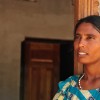
War Widows Struggle in a ‘Man’s World’
Sita Tamang’s husband went missing sometime in 2004, two years before Nepal’s civil war came to an end. A native of Dharan, a town about 600 kilometres southeast of Kathmandu, Tamang waited seven years after his disappearance before she tried to claim compensation offered by the government after a 2006 peace deal ended this country’s bloodshed.« Previous Page — Next Page »





The Week with IPS

NEXT STOP - SDGs
Tracking global progress towards a sustainable world
Tracking global progress towards a sustainable world
