Languages
Sunday, October 18, 2026



News and Views from the Global South

Sri Lanka Waits in Vain for the Rain
Stuck in mid-day rush hour traffic, commuters packed tight into a tin-roofed bus in Sri Lanka’s capital, Colombo, peer expectantly up at the sky that is beating a savage heat down on the city.
Sri Lankan Youth Desperate for Change
It has been five years since Sri Lanka’s brutal three-decades-long civil conflict came to an end in May 2009, but for the country’s youth, true national reconciliation is still a long way off.
Myanmar Wakes Up to Climate Change
Between 2008 and 2013, when Myanmar remained largely closed off to the rest of the world, it suffered a terrible toll at the hands of nature that remained largely unknown.
Myanmar Media Still Not Fully Free
Kyaw Kyaw Aung is just 22, but already has dark memories of days when information, sometimes of the mundane kind, could land you in a dark cell for a very long time in Myanmar, a Southeast Asian nation that was under military rule for decades.Sri Lanka Prepares ‘Certificates of Absence’
Five years after the end of a bloody and protracted civil war, Sri Lanka has begun its first survey of families of the missing in order to assess their needs.
The Lady’s Allure Is Challenged
For over a quarter of a century Uhla Min has lived under the spell of “The Lady”, the popular nickname for Nobel Peace Laureate Aung Sung Suu Kyi.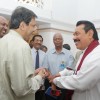
Sri Lanka Prepares for Geneva Showdown
As Sri Lanka steadfastly refuses any external inquiry into human rights abuses allegedly committed when the government pushed a military victory over Tamil rebels in its decades-long sectarian conflict, right groups say the global community is left with no option but to push for an international investigation.
Sri Lanka Feels the Heat
Sri Lanka is heading into a major crisis under extreme heat, as the rains stay away. Fears are growing of power cuts and interruption to the water supply because reservoir levels are running scarily low.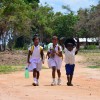
After War Comes Peace, Not Prosperity
Sri Lanka’s war-battered Northern Province had reason to celebrate when the results of a countrywide exam were announced last December. Of the 16,604 students from the province who sat for the exam, 63.8 percent secured the required marks for entry into prestigious national universities.
HIV On a Dangerous Threshold in Sri Lanka
Four thousand HIV infections in a population of 20 million should not be a difficult figure to manage. But experts in Sri Lanka say social customs and strict laws are hindering them from carrying out prevention and awareness campaigns among high-risk groups.Sri Lanka Faces New Year Pressure Over Rights
When the American Centre in Colombo held a memorial event honouring the late South African President Nelson Mandela, the first few questions at the question and answer session had nothing to do with the great freedom fighter.
Global Trade Winds Leave the Poor Gasping
For years, it was the power chamber at the headquarters of the World Trade Organisation (WTO) in Geneva - the Director General’s Conference Room, more popularly known as the Green Room, where a handful of delegates would gather for important discussions and meetings.
Dwindling Aid Slows Sri Lanka
When the first trains in almost two and a half decades started running through this war-ravaged town in Sri Lanka in mid-September, Sinngamuththu Jesudasan could not resist the temptation to go and have a look - repeatedly.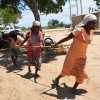
Women Battle On After Lanka War
The battle might have been over four long years ago, but for the women in Sri Lanka’s former conflict zones in the northern and eastern provinces, the war continues.
When the Missing Don’t Return
Some call it ‘frozen loss,’ a point in time that families and relatives find almost impossible to extricate themselves out of, even years after their loved ones have disappeared.
Tamils Get Some Symbolic Power
True democracy at last or a toothless tiger propped up to appease unfavourable international opinion? As Sri Lanka’s Northern Province got its first council after an election last month, many in this South Asian island nation were mulling this conundrum.
New Laws May Fail to Protect Children in Sri Lanka
Stricter laws could curb the rising trend of child abuse in Sri Lanka, experts say. However, recommendations like witness protection, special courts and procedures to hear abuse cases and more legal assistance to victims are unlikely to be included in a new draft Child Protection Policy that is to be presented to parliament before the end of the year.
Boats of Hope Head for Australian Rocks
It was a decision based on simple sums. Ananda, 28, from Weligama in the southern Sri Lankan district Matara decided to risk it all boarding a boat to Australia last year because he never had enough money.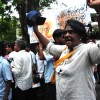
Sri Lanka Cornered Over Human Rights
That it would be a visit fraught with diplomatic tension was undoubted. Navanetham ‘Navi’ Pillay, the United Nations High Commissioner for Human Rights, was into the third day of her week-long visit from Aug. 25 to Aug. 31 to Sri Lanka when her entourage broke into animated discussion.
When Disaster Rains, Talk
Gulam Rasul, chief meteorologist at the Pakistan Meteorological Department, was sure early this month that the second leg of the annual monsoon due in the latter half of the month was going to be bad. “Normally it peaks towards late August,” Rasul told IPS.
Ancient Kings Fight Climate Change
Life for a widow with young children in Sri Lanka’s poor agrarian areas can be harsh. Families in remote areas like Anuradhapura in the North Central Province barely eke out a living through paddy cultivation or through vegetable and other crops planted in cleared jungle shrub - Chena cultivation as it is called.« Previous Page — Next Page »





The Week with IPS

NEXT STOP - SDGs
Tracking global progress towards a sustainable world
Tracking global progress towards a sustainable world
