Languages
Wednesday, September 30, 2026



News and Views from the Global South
Institutional Tangles, Deindustrialisation Hurt Mercosur
July will mark the start of a new era for the Common Southern Market (Mercosur), when it will expand to five full members, if the South American bloc manages to overcome the commotion caused by the admission of Venezuela and the suspension of Paraguay.
“21st Century Agriculture, 19th Century Logistics” in Brazil
Edson Godinho, a truck driver with 35 years' experience, was lucky this time. When he reached the southeastern port of Santos in early April, the line of waiting trucks was much shorter than it had been earlier, so he only had to wait 12 hours to unload his soybeans.Pope Francis Takes Over Sexophobic Church
Jorge Bergoglio begins his papacy as Francis I facing the challenge of a Catholic Church caught up in a burdensome contradiction with modern society, because of its negative attitude to sexuality and women.
Dependent on Venezuela’s Oil Diplomacy
Venezuela’s economic challenges, more than the uncertainty over who will succeed late president Hugo Chávez, could threaten the oil diplomacy he practiced in the region.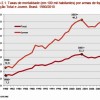
Invisible War Decimates Brazil’s Youth
The 1992 Carandirú massacre of 111 inmates shot down in what was Brazil’s largest prison was documented in thousands of print and televised news reports, as well as five books and a popular film.Wheels of Industry Slowing in Brazil
Industry is the ailing sector of the Brazilian economy, with production falling 2.7 percent in 2012 in spite of government incentives, and in contrast with the strong expansion of retail trade and the lowest unemployment rate in history.
Brazilian Ethanol in the Slow Lane to Global Market
Following a promising start, Brazil's dream of positioning ethanol in the global market on an equal standing with petroleum-based fuels is hindered by new and old challenges.
Brazilian President Stumbles on Energy
Brazilian President Dilma Rousseff, whose political career was fuelled by her stellar performance in the energy sector, is now faced with an ironic challenge: how to bring down the unusually high price of electricity predominantly generated by hydropower – the cheapest source – in this South American country of 196.6 million people.
Building Angolan-Brazilian Ties on Infrastructure
Brazil has turned to large infrastructure as a unique way to globally expand its economy and build up its political influence, with the added bonus of furthering the development of small nations. But this strategy is not without its risks.Bolivia Takes the Leap into the Big Pond of Mercosur*
To go down fighting in the Andean Community (CAN), with a combined market of 92 million consumers, or move up to the big leagues of Mercosur, with 275 million? This was the dilemma faced by Bolivia’s foreign trade strategists when it came to pursuing full membership in the bloc formed by its neighbours to the south.
Reviving Family Farming in Angola, Carrot by Carrot
"We never used to eat carrots, but now we like them," said Rebeca Soba, admiring her vegetable garden, an island of diversity in the midst of a vast sugarcane plantation. Vegetable gardening has been introduced at the Capanda Agroindustrial Pole (PAC) as a source of income for local small farmers.
Brazilian Firms Bring Water and Power to Angolans
The Kwanza river in the heart of Angola will be a symbol of Brazilian partnership in African development when power stations along the country's main source of water are fully operational.
Brazilian Communities Revitalise the São Francisco River
José Geraldo Matos fondly recalls the massive traíras (Hoplias sp), carnivorous freshwater fish found in the lagoons and rivers of Brazil, that he used to catch in the Dos Cochos River just a few metres from his house.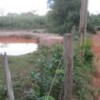
Brazilian Communities Revitalize the São Francisco River Through Its Tributaries
Communities along the banks of a tributary of the São Francisco adopt innovative measures to adapt to the diversion of the famous river’s course.
Chinese and Brazilian Firms Building the New Angola
"In Luanda there are no matches." This was the first line of a report written by Nobel Literature laureate Gabriel García Márquez in the Angolan capital in 1977.
Q&A: “War Helped Unify Angola”
A visitor to Angola might be surprised at the calm surrounding Angola’s accelerated rehabilitation and construction of infrastructure a decade after the end of so many years of war, and at the lack of after-effects like ethnic violence, armed gangs, or the settling of accounts.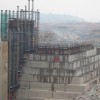
Aluminium Industry Has Its Defenders in Brazil
Aluminium, opposed by environmentalists mainly because of the amount of energy needed to produce it, is one of the targets of the heated campaign against hydroelectric dams in Brazil’s Amazon jungle region.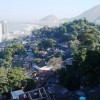
Environmentalists in Rio Worried about Reindustrialisation
The decline in Brazil’s manufacturing sector has not affected some parts of the country, which on the contrary have grown, driven by polluting industries like iron and oil production.
Brazil Shores Up Industry to Keep Its Place as Emerging Power
The recovery of industry in Brazil, in the face of the global economic crisis that has accentuated the loss of competitiveness against manufactured products from abroad, is a high-priority task for the government in its attempt to keep the economy on a growth path.
Fishing Communities in Brazil Fight for Survival
His father and other fishermen fought back with sickles, hoes and other work tools against the armed men sent by the purported owner of the land where they lived in order to evict them. But then the military police came and knocked down eight of their houses.
Brazilian Fisherfolk Fight for Survival
Fisherfolk cannot be forced into becoming fish farmers, maintains the leader of a campaign to establish protected areas for artisanal fishing in Brazil. “I am a fisherwoman, I don’t know how to do anything else and I don’t want to,” she declared.« Previous Page — Next Page »


The Week with IPS

NEXT STOP - SDGs
Tracking global progress towards a sustainable world
Tracking global progress towards a sustainable world
