Languages
Saturday, November 7, 2026



News and Views from the Global South
Energy
EUROPE: 'Biofuels Can Hurt the Poor'
A body tasked with shaping European Union policy on biofuels is dominated by companies with a vested interest in promoting this source of energy, environmentalists have claimed.DEVELOPMENT: Food to Biofuels a "Recipe for Disaster"
A long-held basic human right, the right to adequate food for the world's 854 million hungry people, is being threatened once again - this time by the conversion of wheat, sugar, palm oil and maize into agricultural fuel.ENVIRONMENT: Central Africa's "Most Beautiful Waterfall" Under Threat
Described as the most beautiful waterfall in Central Africa, Gabon's Kongou Falls are also at the heart of an environmental controversy that some believe has far-reaching implications for conservation in the country.ENERGY: Project May Boost Biofuels in East Africa
A new project to develop an integrated sugarcane facility in Kenya could be a boost for biofuels production in east Africa.
DEVELOPMENT-NAMIBIA: Interest in Uranium Powers Desalination Plans
Efforts to build Namibia's first large-scale desalination plant are gaining momentum. The project is a joint undertaking of the Namibian Water Corporation (NamWater), a government owned utility, and mining company UraMin Inc.
ENVIRONMENT-US: Green Housing Not Just for the Rich
Mary Jane Jagodzinzki nervously anticipated the arrival of a busload of building professionals. As it turned out, she needn't have been too concerned.ENVIRONMENT: A Planet Living Beyond Its Means
Failure to take drastic action to avert further climate change and loss of biodiversity poses serious risks to the future of humanity, a major U.N. report warned Thursday.DEVELOPMENT: Oil Prices May Impact MDGs – UN Report
A new mechanism to measure the impact of rising oil prices on Asia’s poor offers a sobering forecast. There is a clear threat to the region’s gains in reducing the numbers living poverty.
AUSTRALIA: 'Uranium For India Not Linked to US Nuke Deal'
Despite Australia’s agreement to provide uranium to India being put on ice as a consequence of the stalled nuclear deal between the United States and India, analysts say Australia is not just following the U.S. lead.
COLOMBIA: Foreign Firms Cash in on Generous Mining Code
These are prosperous times for Canadian mining and oil companies extracting resources from Colombia.DEVELOPMENT: IBSA Summit a “Political Endorsement” for Future Plans
A slew of co-operation agreements emerged from the second IBSA (India, Brazil and South Africa) summit in Pretoria, South Africa, this week.DEVELOPMENT: Farming Faces Phosphate Shortfall
Scarcity of phosphate, an indispensable crop fertiliser, is worrying soil experts, given the voracious plans of Brazil and many other countries in the race for biofuel leadership.ENVIRONMENT: Biofuels – Great Green Hope or Swindle
A raft of new studies reveal European and American multibillion dollar support for biofuels is unsustainable, environmentally destructive and much more about subsidising agri-business corporations than combating global warming.
EGYPT: An Environmental Make-Over for an Ancient Industry
Air pollution is so bad in Cairo that living in the sprawling city of 18 million residents is said to be akin to smoking 20 cigarettes a day. According to the World Health Organisation, the average Cairene ingests more than 20 times the acceptable level of air pollution a day.ENVIRONMENT-LATAM: Ethical Development to Cool Off the Planet
Brazilian Environment Minister Marina Silva suggested an ethically and politically sustainable development model at a conference in this southeastern Brazilian city that has brought together national and international authorities and experts, business leaders and researchers to discuss solutions to fight climate change in the region.
ENERGY-SOUTH AFRICA: The Poor Fly Under the Solar Water Heating Radar
Earlier this year, IPS reported that the South African coastal city of Cape Town was debating a "first of a kind" bylaw that would make solar water heating compulsory for relatively costly new buildings, and certain renovations. This got us thinking: what of solar water heating for less expensive structures - especially homes being built under the country's extensive low cost housing programme...Are any initiatives on the drawing board in this regard?CLIMATE CHANGE: Nobel Prize Recognises Scientific Community
Climate change is linked to world peace because the effects of global warming can threaten stability and harmony in the world, according to Rajendra Pachauri, one of thousands of international scientists who are to share the Nobel Peace Prize with former U.S. Vice President Al Gore.ENVIRONMENT-EUROPE: Education Ministers Step In
Representatives from 51 countries agreed at a three-day conference in Belgrade this week to undertake new environmental improvements to build sustainable development.ENERGY-MALAYSIA: Subsidising Gas to Private Power – State Utility Pays
A staggering 27.6 billion ringgit (8.2 billion US dollars); that's the amount the Malaysian public has incurred through gas subsidies given out over the years to private power producers by national petroleum corporation Petronas.
INDIA/US: Nuke Deal on Pause
Stiff opposition from coalition partners in the ruling United Progressive Alliance, as well as hesitation within its own ranks, has compelled India’s Congress party to put on hold negotiations for completing the controversial nuclear cooperation deal with the United States.POLAND-RUSSIA: Once an Enemy, Always an Enemy
Poland remains Russia's most staunch enemy in the Central European region. But besides history, ideology and energy are playing a key role in the diplomatic impasse.« Previous Page — Next Page »





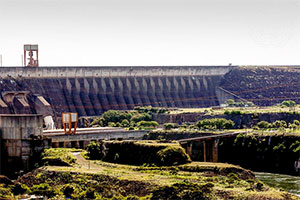 UN Power Plant, Paraguay. Credit: UN Photo/Evan Schneider
Energy has posed a great challenge for economies around the world. As global energy consumption skyrockets throughout the years, so does the need for sustainable solutions. The Sustainable Development Goals are essential in providing people with access to safe, affordable, and sustainable energy sources that minimize harm on the planet. Progress towards these goals opens the door for an advancement in modernization for communities on a global level and allows for a potential mitigation of tensions between nations.
The UN’s Summit of the Future in 2024 offered new initiatives that are being taken to achieve these goals, including a decreased reliance on fossil fuels, a switch to renewable energy sources, and improved climate financing.
IPS is well positioned to provide relevant, insightful, and compelling analysis of recent updates and measures being taken around the world to achieve a cleaner future.

The Week with IPS

NEXT STOP - SDGs
Tracking global progress towards a sustainable world
Tracking global progress towards a sustainable world
