Languages
Sunday, September 27, 2026



News and Views from the Global South
Health

How Aid Cuts Will Shatter Global Water and Sanitation Progress
The principle of leaving no one behind is central to the UN Sustainable Development Goals (SDGs). The progress toward achieving SDG 6, which aims to ensure universal access to water, sanitation, and hygiene by 2030 is increasingly under threat with recent development funding cuts posing a significant barrier.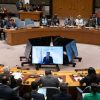
Israel Ends Ceasefire in Gaza as Strikes Resume
On March 18, the Israeli Defense Forces (IDF) launched an attack on the Gaza Strip, effectively terminating the Israel-Hamas ceasefire agreement. This comes after a pause in ceasefire operations when Israel continued its blockade on humanitarian aid in the enclave and demanded the release of additional hostages.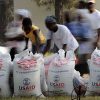
New Survey: US Funding Freeze Triggers Global Crisis in Human Rights and Democracy
A new survey carried out by the EU System for an Enabling Environment (EU SEE) network exposes the impact of the US funding freeze on civil society organisations (CSOs) in over 50 countries. With 67% of surveyed organisations directly impacted and 40% of them losing between 25-50% of their budgets, the abrupt halt in funding is disrupting critical human rights, democracy, gender equality and health programs, leaving vulnerable communities without essential support.
Epilepsy Patients in Africa Fight Stigma and Neglect
When Angela Asemota’s son began having seizures at six years old in 1996, people gossiped that he was possessed by evil spirits, leading her to seek healing from native healers and religious clerics. He underwent several traditional rituals and drank various concoctions, but the seizures persisted. It was not until his fourth year in secondary school in 2004 that she took him to a hospital, where he was diagnosed with epilepsy and began taking medication.
Our Investment in School Meals is Our Investment in Education
Millions of children worldwide are going hungry, and we all know that hungry children cannot learn. On International School Meals Day, we are calling on donors to significantly scale-up funding for school feeding to ensure every child can go to school, every child can access at least one nutritious meal a day, and every child can concentrate, develop and achieve.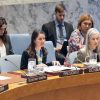
Women and Girls in Afghanistan Bear the Brunt of the Country’s Crisis
Since the Taliban’s return to power in Afghanistan nearly four years ago, human rights have begun diminishing for over 14 million women. Heightened gender inequality has exacerbated the pre-existing humanitarian crisis in Afghanistan, which has been marked by conflict, displacement, climate change, food insecurity, and economic instability. In 2025, widespread cuts in humanitarian funding look to further strain the crisis.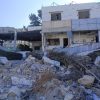
Gaza Counts Costs of Catastrophic Impacts of Israeli Bombardment on Healthcare
With enough steel and concrete, the hospitals that have been smashed to bits in Gaza can be rebuilt. But a construction plan paired with an army of bulldozers will not be enough to reconstruct the entirety of Gaza's health care system, which, after many months of war, has been decimated by the Israeli military forces.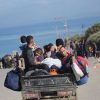
Tensions Between Israel and Hamas Threaten Second Phase of Gaza Ceasefire
On March 1, the first phase of the Israel-Hamas ceasefire was scheduled to end. However, as Israel continues to block humanitarian aid from entering Gaza, and Hamas declining to release more hostages until the second phase goes into effect, the long-term feasibility of the ceasefire agreement is uncertain. Additionally, U.S. President Donald Trump’s recent inflammatory comments surrounding the conflict between the two parties might put further strain on the already fragile ceasefire agreement.
Society’s Self-Sabotage: How Discrimination Cripples Nations
One look at the headlines recently and anyone would know that cuts to foreign aid are jeopardizing hard-won progress on a range of issues. AIDS is one of them.
Solutions To TB and HIV Benefit All of Us, North and South
In the west of Kenya, near the shores of Lake Victoria, where I come from, a tuberculosis outbreak is no different from one that takes place anywhere else in the world. A few dozen people get sick, health workers attempt to locate and test everyone with a bad cough and other symptoms. A concerted effort is made to make sure that patients take their medications for the entire duration of treatment, at least six months, to help stem the creation of drug-resistant infections.
The Gates to Paradise Are Closing
In 2020, a historic announcement emerged from the Global Trafficking in Persons Report, an annual assessment that evaluates human exploitation in 129 countries. For the first time, the world witnessed a 13% decrease in the number of victims. For those of us who fight against this heinous crime, it felt as if a door to paradise had opened—an Eden where no human being is for sale.
U.S. Passes on UN Ukraine Resolution amid the Humanitarian Crisis
From late 2024 to early 2025, the humanitarian situation in Ukraine has taken a turn for the worst, with poverty, violence, displacement, and damage to critical infrastructures having grown in intensity. Following the 2022 invasion of Ukraine by Russia, tensions have grown among member states of the United Nations (UN) on how to resolve the Russo-Ukrainian War.
20 Years of the WHO FCTC: It’s Time to Make Big Tobacco Pay
The world took a historic step in the fight against tobacco when the World Health Organization Framework Convention on Tobacco Control (WHO FCTC) came into force—the first legally binding global health treaty of its kind.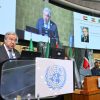
Humanitarian Groups Face Challenges in Reaching the Sudanese Displaced Population
In the final quarter of 2024 ,there has been an escalation in the Sudanese civil war, with armed clashes between the Rapid Support Forces (RSF) and the Sudanese Armed Forces (SAF) having grown in brutality. Heightened insecurity has pushed millions of people into displacement, hunger, and poverty. Additionally, the continued hostilities have made it difficult for humanitarian organizations to scale their responses up.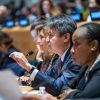
Social Media in the Global South Needs More Protections
In the western world, numerous studies over the past two decades have shown that the rise of social media in popularity has been linked to negative mental health symptoms, especially among young people. Platforms such as Instagram, Facebook, X (formerly known as Twitter), and TikTok have been criticized for fostering competitive and toxic environments, which contribute to higher rates of anxiety, cyber-bullying, depression, disordered eating, and low self-esteem. While the use of social media in the Global South has skyrocketed in the late 2010s, the ramifications on people in those regions has received much less coverage in mainstream media.
Food, Water, Crime, Climate Change: CARICOM Leaders Begin 48th Conference with Commitment to Joint Action on Critical, Common Concerns
Leaders of the Caribbean Community (CARICOM) are meeting in Bridgetown from Feb. 19-21, as the world grapples with multiple crises, including escalating geopolitical conflicts, climate change and rising food insecurity.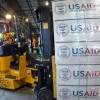
Human Rights, Healthcare Disrupted in Eastern Europe With USAID Funding Freeze
As the full effects of the US decision to freeze foreign aid funding begin to be felt across the world, organizations in Eastern Europe and Central Asia (EECA) are warning years of work in everything from delivering life-saving healthcare to defending human rights and strengthening democracy could be undone.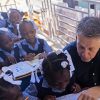
Sexual Violence and Displacement: Disproportionate Threats to Children in Haiti
As ongoing gang violence and unrest bring down the living conditions in Haiti, humanitarian groups sound the alarm on human rights violations and the increasing challenges they dace in providing relief efforts.
WFP, FAO Warn of the Severity of the Climate Crisis and Food Insecurity
Over the past few years, climate shocks have become more frequent and have devastated economies and agriculture systems, exacerbating widespread malnutrition and hunger. It has become increasingly apparent that the utilization of sustainable agriculture practices and disaster risk management systems are crucial to fulfill growing needs as natural resources continue to dwindle.
Tanzanians with HIV Left in Crisis as USAID Funding Ends
At 9 a.m. on Monday, Mariam Msemwa clutched her clinic card tightly as she stood in line at Bagamoyo District Hospital’s HIV Clinic in Tanzania’s coastal region. The 19-year-old had been here many times before, picking up monthly doses of antiretroviral (ARV) drugs that kept her alive. But today was different.When she reached the counter, the nurse flatly told her. “There’s no more free medication, ” she said. “You’ll have to buy it yourself.”
Ending FGM Requires Strengthening Partnerships and Advocacy Efforts
February 6 is the International Day of Zero Tolerance for Female Genital Mutilation (FGM). A practice deemed a gross violation of human rights, tragically the practice persists across multiple countries in Africa, the Middle East, and Asia. Over 230 million women and girls alive today have been subjected to this gruesome practice, and experts warn that at least 27 million more could endure this by 2030.« Previous Page — Next Page »


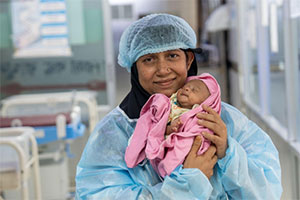 Bangladesh: Sarid, born one month early, receives specialized newborn care and grows stronger every day. Credit: UNICEF/UNI944397/Mojumder
Since the onset of the 2000s, global life expectancy has seen an overall rise, attributed to significant technological and scientific innovations in healthcare. Due to an increased understanding of different conditions as well as a rise in cooperation among healthcare experts around the world, there have been major strides made in ensuring that as few people die from chronic illnesses as possible. Despite the belief that healthcare is a fundamental human right, people from low- or middle-class backgrounds, marginalized groups, and underdeveloped countries have far more limited access to basic healthcare services.
The COVID-19 pandemic showed how marginalized communities are disproportionately affected by health crises, proving that we have much work to do in ensuring that no one dies of terminal conditions. While the global response to the coronavirus saw significant strides in immunization and vaccine development, the global outbreak of mpox in 2022 and its upsurge in parts of Africa in 2024 must remind us to remain vigilant.
Other major disease outbreaks in recent years have been linked to the destruction of infrastructure during warfare. Notably, in 2024, the Gaza Strip witnessed a return of the poliovirus since its eradication in the region 25 years ago. Israel’s blockade on Gaza has resulted in the collapse of the region’s sewage plants and desalination plants, and also destroyed healthcare capacities. The UN stated that this lack of clean water and sanitation would lead to an outbreak of cholera and other deadly infectious diseases. The 2026 OCHA Humanitarian Situation Report confirmed that the over two years of conflict in Gaza has produced a catastrophic health emergency, with millions remaining dependent on relief aid amid tight restrictions and no functioning public health system.
IPS is committed to providing full and comprehensive coverage on healthcare challenges around the world. IPS seeks to address the multifaceted causes of such challenges, including unprecedented pandemics, conflict-driven disease outbreaks, as well as socioeconomic barriers to equal healthcare access. IPS is also dedicated to reporting on innovations in the healthcare industry.

The Week with IPS

NEXT STOP - SDGs
Tracking global progress towards a sustainable world
Tracking global progress towards a sustainable world
