Languages
Saturday, November 21, 2026



News and Views from the Global South
Health
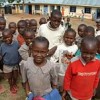
DEVELOPMENT: A Global Health Model, Village by Village
Working for sustainable development in Kenya, which ranks 148th out of 177 countries on the United Nations development index, is a daunting task. The country not only has a 6.1 percent rate of HIV/AIDS infection among its 37 million people, but nearly 60 percent of Kenyans live on less than two dollars a day.HEALTH: Europe Ignoring TB Research
Funding from the European Union's Brussels headquarters for research into tuberculosis stands at about a fifth of what it should be given the EU's enormous wealth, a new study has found.
HEALTH: Haj Pilgrims Get Polio Drops in Int'l Eradication Plan
As the first batches of Haj pilgrims from Pakistan arrived at Saudi Arabia’s Jeddah airport for the current pilgrimage season they were, regardless of age, administered oral polio vaccine (OPV).Q&A: Major Challenges Will Be Met
When Barbara Hogan replaced South African health minister Manto Tshabalala-Msimang in September, her appointment was praised from all quarters. Hogan, who previously chaired Parliament’s finance portfolio committee, is known as an intellectual who stands up for what she believes in and finding hands-on approaches to solving difficult political issues.URUGUAY: Congress Votes to Legalise Abortion, But Veto Likely
Uruguayan President Tabaré Vázquez and his cabinet have 10 days to promulgate or veto a bill that would decriminalise abortion in the first 12 weeks of pregnancy, which was passed Tuesday by the Senate.
MEXICO: Cyclists Speed Up Transportation Changes
Cyclists in the Mexican capital who pedal nude once a year and organise tours through the city have overcome the suspicions of city officials and are now participating in designing plans to benefit this environmentally-friendly mode of transportation.RIGHTS-US: Mental Heath Concerns Grow for Thousands of Condemned
The length of time convicted murderers wait for their execution is steadily rising in the U.S., raising concerns that more will suffer from the mental illness known as "death row syndrome".HEALTH: Suicide Crisis Absent from National Agendas
With a million people dying by suicide every year and two suicide deaths per minute, it remains a major preventable cause of death worldwide, mental health experts say.CHILE: Maize Contaminated with Transgenics
The Institute of Nutrition and Food Technology (INTA) at the University of Chile has detected genetically modified organisms in four samples of conventional maize grown near fields where transgenic maize seeds are being produced for export.ENVIRONMENT-CHINA: Coal Far Costlier Than Thought – Study
Often criticised for its massive coal-based industries that jeopardise international efforts to combat global warming, China is undoubtedly the biggest victim of its voracious coal consumption.HEALTH-NEPAL: Meeting MDG on HIV/AIDS – A Dream?
Shibu Giri, programme officer at the National Association of People Living with HIV/AIDS in Nepal, who tested positive in 2000, believed he was fit and fine as his CD-4 count stayed normal.HEALTH-DR CONGO: Malaria Remains Biggest Killer
With almost 200,000 people dying of malaria each year in Democratic Republic of Congo (DRC), the disease remains the country's biggest killer.HEALTH: Progress Towards WHO Pact on Tobacco Smuggling
A draft protocol to eliminate all forms of illicit trade in tobacco products, such as contraband, illegal manufacturing and counterfeit cigarettes, has been outlined at the World Health Organisation (WHO).WEST AFRICA: Primary Health Care Key to MDGs
None of the 16 nations of West Africa will achieve the Millennium Development Goals (MDG) of reducing child mortality or improving maternal health without serious efforts to improve their health care systems, according to the World Health Organization (WHO).
HEALTH: The Global Killer You Never Heard Of
Although a safe and effective vaccine has been available for eight years now, 1.6 million people still die from pneumococcal diseases every year, making it the number one vaccine-preventable cause of death worldwide. More than half of the victims are children.CHILE: Achievements in AIDS Fight Marred by Irregularities
Irregularities like delays in notifying 25 people that they were HIV-positive, which led to the deaths of at least two of them, have cast a shadow on Chile's exemplary image in the field of AIDS prevention and treatment.
ENVIRONMENT: Worst Forms of Pollution Killing Millions
Gold mining and recycling car batteries are two of the world's Top 10 most dangerous pollution problems, and the least known, according a new report.POLITICS-US: Campaigns Spar Over Broken Health System
For a man who said he watched his mother battle with insurance companies while dying of cancer in a hospital bed, and whose 85-year-old grandmother is said to be in serious condition, healthcare for all citizens has become a defining issue in the historic campaign of Democratic presidential nominee Sen. Barack Obama.HEALTH: Swaziland About To Eliminate Malaria
Hot on the heels of Mauritius, health experts predict Swaziland will be the second country in the Southern African Development Community (SADC) to eliminate malaria.
Q&A: Fistula Turns Women Into Outcasts
Women suffering from obstetric fistula in Malawi received free medical care to reverse their condition during the country’s Fistula Week.DEVELOPMENT: Cell Phone Service, But No Toilets
It is a fact of the 21st century that some of the poorest regions of the world have good mobile phone coverage but no toilets or safe drinking water.« Previous Page — Next Page »


 Bangladesh: Sarid, born one month early, receives specialized newborn care and grows stronger every day. Credit: UNICEF/UNI944397/Mojumder
Since the onset of the 2000s, global life expectancy has seen an overall rise, attributed to significant technological and scientific innovations in healthcare. Due to an increased understanding of different conditions as well as a rise in cooperation among healthcare experts around the world, there have been major strides made in ensuring that as few people die from chronic illnesses as possible. Despite the belief that healthcare is a fundamental human right, people from low- or middle-class backgrounds, marginalized groups, and underdeveloped countries have far more limited access to basic healthcare services.
The COVID-19 pandemic showed how marginalized communities are disproportionately affected by health crises, proving that we have much work to do in ensuring that no one dies of terminal conditions. While the global response to the coronavirus saw significant strides in immunization and vaccine development, the global outbreak of mpox in 2022 and its upsurge in parts of Africa in 2024 must remind us to remain vigilant.
Other major disease outbreaks in recent years have been linked to the destruction of infrastructure during warfare. Notably, in 2024, the Gaza Strip witnessed a return of the poliovirus since its eradication in the region 25 years ago. Israel’s blockade on Gaza has resulted in the collapse of the region’s sewage plants and desalination plants, and also destroyed healthcare capacities. The UN stated that this lack of clean water and sanitation would lead to an outbreak of cholera and other deadly infectious diseases. The 2026 OCHA Humanitarian Situation Report confirmed that the over two years of conflict in Gaza has produced a catastrophic health emergency, with millions remaining dependent on relief aid amid tight restrictions and no functioning public health system.
IPS is committed to providing full and comprehensive coverage on healthcare challenges around the world. IPS seeks to address the multifaceted causes of such challenges, including unprecedented pandemics, conflict-driven disease outbreaks, as well as socioeconomic barriers to equal healthcare access. IPS is also dedicated to reporting on innovations in the healthcare industry.

The Week with IPS

NEXT STOP - SDGs
Tracking global progress towards a sustainable world
Tracking global progress towards a sustainable world
