Languages
Saturday, November 21, 2026



News and Views from the Global South
Health
HEALTH-GHANA: Boreholes That Proved a Lifeline Have Come at a Cost
Ask people to list the causes of tooth discolouration and they may mention tobacco chewing, or one too many cups of coffee a day. Pose the question in Ghana's northern Nayorigo village, however, and someone might answer: desertification.TRINIDAD: Condom Machines the Latest Front in AIDS War
Among the frequently asked questions on the website of the National AIDS Coordinating Committee (NACC) in Trinidad and Tobago is one dealing with the use of condoms in the fight against HIV/AIDS.HEALTH: Guyana Catches Herbal Fever
A quiet but perhaps long overdue debate is taking place in this small English-speaking South American republic over the growing power and influence alternative medical practitioners, some of whom have recently been forced to officially back away from claims about special powers to heal everything from HIV/AIDS to various forms of cancer.
LATIN AMERICA: Careful with the Toys
Between one-quarter and half of the toys in the hands of girls and boys in many Latin American countries are contraband items and many contain substances that are dangerous to human health.HEALTH: No Sex Education Please – We’re Indian
Though adolescents are said to be at the centre of the AIDS epidemic and India has the largest number of infections in Asia, this conservative country continues to shy away from incorporating sex education in school curricula.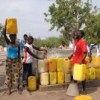
MOZAMBIQUE: Water Supplies Still a Pipe Dream at Certain Health Facilities
A swelling crowd of people has gathered at the rural health centre at Monte Xiluvo in Nhamatanda district, in the central Mozambican province of Sofala. Most are mothers with young children who try to protect themselves from the gusty winds as they wait for their consultation with Caetano Mendosa, the nurse responsible for the centre.ECONOMY-US: Rural Poverty Stagnates as Uninsured Multiply
Record numbers of people lack health insurance and poverty remains largely unchanged five years after the U.S. economy began clawing its way back from recession.DEVELOPMENT: EU Parliament May Insist on Health Aid
The European Union's only directly elected body is demanding increased aid for basic health and education in poor countries before it approves next year's budget for the 27-nation bloc.HEALTH: EU Opposes Cheap Medicines for AIDS in Thailand
The European Union's top trade official has called on Thailand to revise its efforts to provide cheap medicines to people with AIDS over concerns that the country could be undermining global rules on intellectual property.ROMANIA: Pigs Come in the EU Way
Romania was hoping to put an end this year to a ban on pork exports to the European Union (EU), but several swine pest outbreaks at the farms of U.S. company Smithfield will cause the interdiction to be prolonged for at least two more years.HEALTH-INDIA: Activists Will Continue to Push Boycott of Novartis
Activist groups campaigning for affordable drugs will continue their boycott campaign against Swiss pharma major Novartis AG, whose controversial petition arguing that Indian patent laws violated World Trade Organisation (WTO) provisions was rejected by the Madras High Court in southern Chennai city.DEVELOPMENT: Farewell to "Flush and Forget"
In urban settings, the one-time use of water to disperse human and industrial wastes is becoming an outmoded practice, made obsolete by new technologies and water shortages.HEALTH: Doctors from the Developing South Helping the North
There are not enough doctors in Portugal’s public health system, because too many have left to enter the private sector. This has forced socialist Prime Minister José Sócrates’ administration to seek rapid and drastic solutions, one of which is to attract doctors from the developing world.
SOUTH AFRICA: Copper Thieves, an Abattoir and Coal Mining Threaten Lake District
Raw sewage flowing into Lake Chrissie is threatening to turn South Africa’s largest natural freshwater body into a massive cesspool. Environmentalists claim that for seven years, local authorities ignored their pleas to upgrade water treatment facilities; officials only took action, they say, when local revenue was affected by the closure of tourism routes such as biking trails, as a result of pollution.
DEVELOPMENT: Mutiny Shakes U.S. Food Aid Industry
One of the largest international aid organisations in the world turned the food aid industry on its head recently by declaring that they will turn down 46 million dollars in food subsidies from the U.S. government.
HEALTH-SRI LANKA: Lessons From Int'l AIDS Meet
For Padma, a sociology graduate from a Sri Lankan university, the three-day International Congress on AIDS in Asia and the Pacific (ICAAP) that ended Thursday was nothing short of an enlightening experience in her life.HEALTH-SOUTH-EAST ASIA: Fortified Flour – Key Nutrition Strategy
When Indonesian women and children tuck into cups of ‘Indomie’, a popular brand of instant noodles, they are assured a tasty staple healthier than most other brands sold across South-east Asia.
HEALTH: Sanitation the World's Silent Humanitarian Crisis
The topic of toilets often makes people uncomfortable, says the U.N. children's agency UNICEF, and the subject of human wastes is rarely aired in public.BRAZIL: Controversial Bill to Sterilise Younger Women
A draft law to reduce the minimum age for women to undergo voluntary sterilisation in Brazil’s public hospitals from 25 to 18 is vigorously opposed by the government.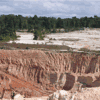
GUYANA: From Lush Jungle to Muddy Moonscape
Late last month, three Guyanese cabinet ministers flew to a southwestern jungle community near Brazil to probe reports that an unscrupulous group of gold and diamond miners had plundered the area so recklessly that roads simply disappeared and the area's water system had crumbled under the weight of heavy machinery.HEALTH-BURMA: HIV Rates Falling As Funds Dry Up – Experts
Burma is seen as a reclusive country whose real HIV and AIDS situation is a deep, dark secret. But top Burmese officials, independent experts and AIDS researchers here painted a picture of a country that is making some progress, despite what some called its "unethical" abandonment by international AIDS organisations.« Previous Page — Next Page »


 Bangladesh: Sarid, born one month early, receives specialized newborn care and grows stronger every day. Credit: UNICEF/UNI944397/Mojumder
Since the onset of the 2000s, global life expectancy has seen an overall rise, attributed to significant technological and scientific innovations in healthcare. Due to an increased understanding of different conditions as well as a rise in cooperation among healthcare experts around the world, there have been major strides made in ensuring that as few people die from chronic illnesses as possible. Despite the belief that healthcare is a fundamental human right, people from low- or middle-class backgrounds, marginalized groups, and underdeveloped countries have far more limited access to basic healthcare services.
The COVID-19 pandemic showed how marginalized communities are disproportionately affected by health crises, proving that we have much work to do in ensuring that no one dies of terminal conditions. While the global response to the coronavirus saw significant strides in immunization and vaccine development, the global outbreak of mpox in 2022 and its upsurge in parts of Africa in 2024 must remind us to remain vigilant.
Other major disease outbreaks in recent years have been linked to the destruction of infrastructure during warfare. Notably, in 2024, the Gaza Strip witnessed a return of the poliovirus since its eradication in the region 25 years ago. Israel’s blockade on Gaza has resulted in the collapse of the region’s sewage plants and desalination plants, and also destroyed healthcare capacities. The UN stated that this lack of clean water and sanitation would lead to an outbreak of cholera and other deadly infectious diseases. The 2026 OCHA Humanitarian Situation Report confirmed that the over two years of conflict in Gaza has produced a catastrophic health emergency, with millions remaining dependent on relief aid amid tight restrictions and no functioning public health system.
IPS is committed to providing full and comprehensive coverage on healthcare challenges around the world. IPS seeks to address the multifaceted causes of such challenges, including unprecedented pandemics, conflict-driven disease outbreaks, as well as socioeconomic barriers to equal healthcare access. IPS is also dedicated to reporting on innovations in the healthcare industry.

The Week with IPS

NEXT STOP - SDGs
Tracking global progress towards a sustainable world
Tracking global progress towards a sustainable world
