Languages
Wednesday, October 21, 2026



News and Views from the Global South
Inequality

Hundreds of Cholera Cases Are Declared Per Day in Sudan
A particularly virulent outbreak of cholera was detected in the Khartoum State of Sudan and is a direct result of the Sudanese Civil War, warns the United Nations.
‘Despite Deep-rooted Prejudice Against Dalits, Encouraging Shifts Are Emerging among Young Urban People’
CIVICUS discusses the challenges facing Nepal’s Dalit community with Rup Sunar, chairperson of the Dignity Initiative, a Kathmandu-based research and advocacy organisation working to dismantle caste-based discrimination.

The 2025 World Social Summit Must Not Be a Missed Opportunity
Rumors circulating at UN Headquarters suggest there is little appetite for ambition at the Second World Summit for Social Development, set to take place in Doha on 4-6 November 2025. Diplomats and insiders whisper of “summit fatigue” after a packed calendar of global gatherings—the 2023 SDG Summit, the 2024 Summit of the Future, and the upcoming June 2025 Fourth International Conference on Financing for Development. Compounding this fatigue is the chilling rise of anti-rights rhetoric and political resistance from some governments, casting a shadow over multilateral efforts. For some, just getting any multilateral agreement is good enough. As a result, the Zero Draft of the Social Summit Political Declaration lacks the ambition required to confront the multiple social crises our world faces.
Unmasking Harm Reduction: Youth Demand Action on Tobacco Industry’s New Tactics
The World Health Organization (WHO) for this year’s World No Tobacco Day (May 31) has chosen the theme, “Unmasking the Appeal”, to reveal the tactics employed by the tobacco and nicotine industries to make their harmful products enticing, particularly to young people.
1 in 4 Jobs will be Transformed by Generative AI
Generative artificial intelligence (AI) has increased efficiency and output across numerous industries. However, labour organizations have expressed concern over AI’s ability to radically transform jobs around the world.
Using AI as an Ally: What the latest UNDP Human Development Report Means for Latin America, Caribbean
The United Nations Development Programme’s 2025 Human Development Report (HDR) says crises such as the Covid-19 pandemic have contributed to ‘the flatlining of decades of progress in the Human Development Index,’ with Latin America and the Caribbean facing unique challenges and opportunities.
HeForShe Campaign Tackles ‘Sex for Fish’ Abuse Malawi’s Lakeshore Communities
Women in fishing communities in Malawi's lakeshore districts of Nkhotakota and Mangochi are frequently targets of sexual exploitation for fish, a practice commonly known as 'sex for fish.' A recent report by the Malawi Human Rights Commission (MHRC) has unearthed disturbing accounts of women being coerced into transactional sex to access fish from male boat owners, exposing a widespread violation of their rights.
Will Europe Wage Peace?
With President Trump’s efforts to end the Ukraine war, Europeans are now mainly responsible for prolonging it. Despite lame protestations of peace, Europe seems committed to fighting ‘to the last Ukrainian’.
Following COVID-19 Pandemic, Child Wellbeing Rates in Decline
Due to the lingering effects of the COVID-19 pandemic, millions of children, particularly in some of the world’s wealthiest countries, experienced declines in their overall health and academic performances.
Young Africans Priced Out of Cities as Urban Housing Crisis Deepens
After graduating in 2019, Jeremiah Achimugu left Sokoto State in northwestern Nigeria for Abuja, the nation’s capital, in search of better opportunities. But life in the city brought unexpected challenges, especially the high cost of housing.
Hungary’s LGBTQI Amendment an Affront to Human Rights, Say Activists
A controversial amendment to Hungary’s constitution has left the country’s LGBTQI community both defiant and fearful, rights groups have said.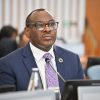
A Premium Is What Africa Pays for Poor Credit Perception
Many African countries are perceived as a credit and investment risk. As a result, they are paying higher borrowing costs than developed countries. African countries often fail to attract international investment and finance as a result of poor credit ratings by international agencies. Only Botswana and Mauritius, out of the 55 African countries, receive an investment grade rating. Lenders view the rest as having 'junk' status, indicating a high risk of loan default. As a result, lenders will demand a higher interest rate to compensate for the perceived increased risk of the borrower.
Tanzania’s Women Miners Digging for Equality in a Male-Dominated Industry
Under the scorching Tanzanian sun, Neema Mushi wipes sweat from her dust-covered face and swings her pickaxe into the earth. The impact sends dust swirling into the air, coating her tattered clothes. She barely notices. For the past eight years, this has been her life—digging, sifting, sieving, and hoping to strike gold in the male-dominated pits of Geita. It is a grueling task riddled with obstacles.
African Giving Practices: Understanding a Tradition of Generosity and Community Support
Across Africa, giving is not just an act of charity; it’s a deep-rooted tradition embedded in culture, community, and mutual care. The concept of giving has evolved through generations, often taking on forms that are as diverse as the continent itself.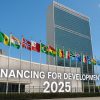
Financing for Whom? The Financing for Development Summit Must Address Social Dimensions
The Fourth International Conference on Financing for Development (FfD4) will bring world leaders together to forge a new international consensus on how to finance a better future for all. Yet, in practice, the first drafts of its outcome reveal a glaring omission: people. Despite rhetoric about inclusivity, the drafts are strikingly weak on social issues, as if financing and macroeconomic policies exist in a vacuum, detached from the lives they impact.
ECOSOC Forum Highlights the Importance of Educational and Economic Empowerment for Youth
This year, the Economic and Social Council (ECOSOC) Youth Forum’s theme is “Youth at the Forefront: Leveraging Science and Social Inclusion for Sustainable Development”, bringing together government representatives, young leaders and policymakers among other relevant stakeholders, to deliberate over youth involvement in the ongoing efforts to implement the 2030 Sustainable Development Goals (SDGs).
CGIAR Gender Impact Platform Needs a ‘Bold Approach’ in Agriculture Research
Women farmers face structural issues that prevent them from realizing their full potential, from societal perceptions that dictate their limitations to poor land. However, CGIAR's Gender Impact Platform Director, Nicoline de Haan, argues that leaning into a "victim" narrative does not serve them, especially when women are demonstrably more involved in agriculture.
Taliban View Even Women’s Cosmetics as a Threat to Their Rule
Women in Afghanistan have borne the brunt of the Taliban’s extremist Islamist rule. Four years on, there appears to be no end in sight.
Putting People First: Why SRHR Must Be Central to Health and Development Agendas
As global leaders prepare to convene for the Commission on Population and Development (CPD) in New York, April 7-11, the world finds itself at a critical crossroads. We can either recommit to human dignity, equality, and justice—or risk unraveling decades of progress in global health.
World Autism Awareness Day 2025: Sustainable Development Must Include Neurodivergent Perspectives
In 2007, the United Nations (UN) General Assembly designated April 2 as World Autism Awareness Day (WAAD), in an effort to promote inclusion and human rights for autistic individuals. Much work has been done and pushed forward by autistic advocates to bring lived experiences to global discussions.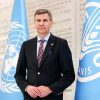
Water and Food Security in Europe and Central Asia: A Shared Challenge for a Sustainable and Just Future
Degrading soil, air pollution, vanishing biodiversity, emerging plant and animal health issues and more are coming together in the current situation of multiple crisis. Ensuring water security is just one, among the many challenges individuals, countries, and the world faces. Yet, we shouldn’t forget that water makes up the largest percentage of our bodies and the same applies to animals, plants and the planet’s surface. The threat of water insecurity is, as we all see, not a petty problem, but one of the greatest challenges of our century.« Previous Page — Next Page »





This page includes independent IPS news coverage supported by the Norwegian Ministry of Foreign Affairs, to put the issue of inequality higher up the news agenda during the run-up to the 2015 MDG deadline and the process to forge a new development consensus
