
Wednesday, November 18, 2026



News and Views from the Global South
Climate Change

OP-ED: Wangari Maathai: A ‘Mighty Woman’ Who Spoke Truth to Power
Last night, Wangari Maathai, the first African woman to win the Nobel Peace Prize, died. Most people think of Ms. Maathai as an environmentalist, planting trees. In reality, her environmental activism was part of a holistic approach to empowering women, advocating for democracy, and protecting the earth.
Q&A: “We Expect the Polluters to Pay”
Africa will have to present a strong position at the United Nations climate change conference later this year to ensure the continent will receive the financing to mitigate and adapt to climate change.No Birds Sing in Monoculture “Forests”
Artificial single-species forests are expanding fast in countries of the developing South, fuelled by low production costs and incentives from governments, and causing severe social and environmental impacts, warned experts from around the world who met this week in the Uruguayan capital.
Drylands Not a Lost Cause, U.N. Summit Declares
"If this was a meeting about climate change, I am pretty sure that the room would have been more crowded," Luc Gnacadja, executive secretary of the United Nations Convention to Combat Desertification (UNCCD), commented at a press conference Tuesday.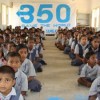
Indian Activists Bring Anti-Coal Campaign to World Bank
As leaders from two of the world's largest financial institutions, the World Bank and International Monetary Fund, met for annual meetings here Tuesday, a delegation of activists from India called on the World Bank to follow through with its proposal to dramatically cut funding for coal-burning power stations.CLIMATE CHANGE-BRAZIL: Farmers “Have Good Reason to Worry”
Bananas are harvested where apples used to grow; cassava, a traditional crop, is disappearing from the Northeast; and the southeast is losing the fragrance of good coffee. This is the science fiction of a new distribution of crops in Brazil, South America's agricultural powerhouse.Inheriting the Whirlwind of Extreme Events
The dramatic increase in extreme weather that has affected hundreds of millions across the planet is one of the clearest signs that burning billions of tonnes fossil fuels has seriously and permanently disrupted the global climate, experts say.
INDIA: ‘Women Make Good Business Sense’
Harish Hande believes that involving women in design, manufacture and sales pays dividends in any business, but especially in those making products that women ultimately use.
Record Arctic Ice Melt Threatens Global Security
All the analysis and commentary about safety and security on the tenth anniversary of 9/11 ignored by far the biggest ongoing threat to global security: climate change.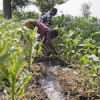
Developing Countries’ Designs for the Green Climate Fund
With its coffers largely dry and its management being contested, the Green Climate Fund (GCF) remains a hot topic among African civil society. Ahead of the upcoming international climate change meeting in South Africa, African ministers have already met to set their agenda and civil society is looking to do the same.
Q&A: Africa Keen to Ensure Kyoto Protocol Survives
Durban should not be the burial ground for the Kyoto Protocol, says Kumi Naidoo, Executive Director of Greenpeace International, about his expectations from the 17th United Nations Framework Convention on Climate Change happening in his hometown in South Africa later this year.Citizen Actions Turn Up the Heat for a Warming Planet
Civil society leaders meeting here for the 2011 CIVICUS World Assembly are looking ahead toward next year's Rio+20 summit – a milestone anniversary of the 1992 Rio Earth Summit, and a crucial meeting of U.N. member states and non-governmental organisations to work towards a greener future.MEXICO: Climate Change Drives Migration
"We planted our seeds, but the earth is no longer productive. We've had too much rain, even more than last year, and the harvest was ruined," says Ermelinda Santiago of the Me'phaa indigenous people, who like everyone else in the village of Francisco I. Madero has been affected by the impact of extreme weather on agriculture in southern Mexico.MEXICO: Traditional Maize Can Cope with Climate Change*
Maize, Mexico's staple food as well as a symbol, has the potential to adapt to climate change and mitigate its effects without any need for genetically modified seeds, according to agricultural scientists.
CLIMATE CHANGE: Nepali Women Sow a Secure Future
Learning a lesson from crop failures attributed to climate change, Nepal’s women farmers are discarding imported hybrid seeds and husbanding hardier local varieties in cooperative seed banks.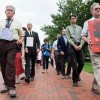
/CORRECTED REPEAT*/: U.S. Awash in Oil and Lies, Report Charges
With four times as many oil rigs pumping domestic oil today than eight years ago and declining domestic demand, the United States is awash in oil.
CLIMATE CHANGE: Brazilian Women Rise Above the Waters
Almost a year and a half after floods wreaked havoc in a large part of the state of Rio de Janeiro, a group of women are struggling to rebuild their lives. They lost everything except their will to pick themselves up again and make the best of the aid they receive, to become self-sufficient again.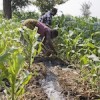
SOUTH AFRICA: While Politicians Deliberate Climate Change, Others Adapt
While many scientists, academics and politicians still theorise about ways to adapt to climate change, a South African civil society organisation has launched a hands-on project that mobilises communities to take easy steps to reduce carbon emissions.Obama Challenged to Stand Up to Big Oil Lobby
The United States' biggest environmental groups put aside their differences last week to make an urgent intervention on the country's addiction to oil. The first step on the long road to recovery, they say, is to stop the proposed construction of the Keystone XL pipeline that will "mainline" the world's dirtiest oil from northern Canada into the U.S. heartland.
U.S.: New Oil Pipeline Sparks Civil Disobedience
On the tenth day of a protest wave that has been gaining momentum since Aug. 20 and will continue until Sep. 3, nearly 300 people gathered in Lafayette Park directly across from the White House in Washington D.C., chanting, "When I say 'tar sands', you say 'no!' When I say 'action', you say 'go!'"Palestinians Thirsting for Justice in Water-Starved Occupied Territories
In the strife-stricken Middle East, oil has always been in the realm of politics. But in the Israeli-occupied territories of Gaza and the West Bank, oil has been supplanted by water.« Previous Page — Next Page »


As unsustainable human consumption and production systems are driving changes in average temperatures and weather patterns, "abnormal" is increasingly becoming the norm. So far, a lack of financing has been standing in the way of a comprehensive global plan for climate adaptation, and a global financial crisis has contributed to an increasing reliance on public-private partnerships. Our Climate Change page provides you with the latest news about international and local efforts to address what's frequently been called "the challenge of our time", the forces behind the climate change and the impact it has on the world's most vulnerable populations. Along the way, we bring you stories on growing citizen awareness, new scientific data, and emerging climate policies towards sustainable development.

The Week with IPS

Tracking global progress towards a sustainable world

