
Friday, November 6, 2026



News and Views from the Global South
Environment
Innovative Financial Approaches Key to Unleash SIDS Economic Potential
Our world is transfixed by the great human toll and economic impact of the worst global pandemic in a century. For the 65 million inhabitants of small island developing states (SIDS), the impact of the novel coronavirus (COVID-19) is reminiscent of the worst forms of extreme weather events that SIDS contend with annually. Such events cost lives, undermine our hard-earned development gains, and hamper the aspirations and quality of life of our people. Our governments are routinely compelled to shift already scarce resources from social and economic investments to recovery and sustenance in the aftermath of disasters. For decades islands have been treading a development tightrope, which is increasingly precarious with the intensification of adverse climate impacts.
Global E-waste Surging: Up 21% in 5 Years
A record 53.6 million metric tonnes (Mt) of electronic waste was generated worldwide in 2019, up 21 per cent in just five years, according to the UN's Global E-waste Monitor 2020.
The Goan Village Women Helping Mitigate Plastic Pollution by Making Eco-friendly Sanitary Pads
Jayashree Parwar has not traveled much outside of her village of Bicholim in the western coastal Indian state of Goa. But the homemaker-turned-social-entrepreneur has been reaching women in dozens of cities across the country with a hygiene product she makes at home along with women from her community. Called Sakhi (friend in Hindi), the plastic-free sanitary pad is Goa’s first menstrual hygiene product made with organic materials.
Put Climate at the Heart of COVID-19 Economic Recovery Plans
Cast your mind back. Six months ago—it seems like a lifetime—the world’s attention was on Madrid. The United Nations was meeting to take stock of international progress in fighting climate change. Headlines were dominated by young people pointing out—rightly—that governments were still not doing enough. They demanded urgent and ambitious action to cut emissions and help the most vulnerable.
Indigenous Farmers Harvest Water with Small Dams in Peru’s Andes Highlands
A communally built small dam at almost 3,500 meters above sea level supplies water to small-scale farmer Cristina Azpur and her two young daughters in Peru's Andes highlands, where they face water shortages exacerbated by climate change.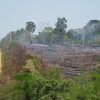
How Deforestation Helps Deadly Viruses Jump from Animals to Humans
The coronavirus pandemic, suspected of originating in bats and pangolins, has brought the risk of viruses that jump from wildlife to humans into stark focus.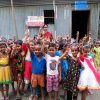
Looking Beyond the Lowest-common Denominator? DFID/FCO Merger
Nazia has a herd of 5 cows. She has two daughters in secondary education, a seat on the Village Council, a savings account and a permanent home. Nazia has dignity, security and prospects beyond poverty. This is Nazia’s story because alongside her commitment and conviction to create a better life, she benefited directly from the UK government, and its global leadership in the drive to end extreme poverty.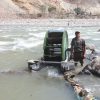
Lifting Livelihoods by Lifting Water
While growing up in Lele village in southern Lalitpur, Pratap Thapa watched his parents plant maize on their terrace farm and wait for the rains. He often wondered how much of their drudgery could be reduced if water could be brought up from a nearby river.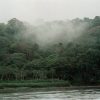
Sweden-Costa Rica: Same Paths on Climate Change, Different on COVID-19
The lack of a coordinated international response had led to varying results worldwide in dealing with the COVID-19 pandemic. Two countries that have long coordinated their response to global goals like promotion on democracy, human rights and environmental issues, Sweden and Costa Rica highlight how public policy matters. While with their similar approaches to climate change the two walk together, their different approaches to COVID-19 have reaped disparate results, and death tolls.
Unlawful Use of Force by Police at Protests Across the US
Police forces across the United States have committed widespread and egregious human rights violations in response to largely peaceful assemblies protesting systemic racism and police violence, including the killing of Black people.A look into the lives of Cambodia’s gentle giants
For generations, elephants have been inextricably tied to the lands of Mondulkiri in Cambodia. The people who call this place their home -- the indigenous Bunong community -- share a unique bond with the gentle giants of the land.
Latin America’s Potential Green Hydrogen Economy
The COVID-19 pandemic and crisis has led to increasing attention and clamor to redouble efforts toward an energy transition that would help the world reduce C02 emissions. In many countries of the region, how to manage hydrocarbons, but with an eye on the energy transition has only been accentuated. We believe clean hydrogen is part of that broader policy and reconstruction debate.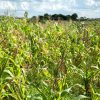
Agriculture: Rooted in Racism
There has been far less social progress in the United States in the last 155 years than many people would like to believe. In 2020, racism still seeps its way into every aspect of life; from unconscious bias and micro-aggressions in everyday interactions to domestic and international policy and enforcement.Drought, rising temperatures, and extreme weather pose risks to Lesotho
The Mountain Kingdom of Lesotho is a place of stark beauty; deep canyons, majestic highlands, vertiginous hillsides, alpine grasslands, sun and sky. Although no bigger than Belgium, it is a critical watershed, giving rise to the headwaters – the ‘white gold’ – that feed two of the major river systems of southern Africa, the Senqu (Orange) and uThukela.
We Should Not Aim to Return to Normal
The world before COVID-19 looks very attractive right now. In light of the disease, mass unemployment and social distancing, a return to pre-pandemic normality seems appealing. Yet we should remember what normal was.
Press Release, Desertification and Drought Day, 17 June 2020
The cost and consequences of the land transformation grossly underestimated says the UN The cost and consequences of land use change are underestimated as demonstrated by COVID-19. Investing in the over 400 million hectares of land earmarked for restoration will help to build back better and safeguard our relationship with nature.
Why Rwanda is a Great Green Growth Investment
In its effort to accelerate Rwanda's green growth development initiative, its local businesses encouraged their Italian counterparts to invest in the East Africa region.
Delivering Humanitarian Assistance in Cox’s Bazar During COVID-19
The novel coronavirus has affected the lives of millions worldwide at its very onset. The situation in Bangladesh is no different. Wearing masks and washing hands frequently have become the new normal. The first laboratory confirmed COVID-19 case was identified in Cox’s Bazar on 23 March. Unforeseen circumstances often lead to unprecedented innovative actions as is exemplified by a Humanitarian Access Project.
Unsung Heroines: Who Cares for the Carers?
Even before Covid-19, the world was facing a care crisis. The plight of often neglected, under-appreciated, under-protected and poorly equipped ‘frontline’ health personnel working to contain the pandemic has drawn attention to the tip of the care crisis iceberg.
We Need to Slow down and Reconnect with Our Ocean for the Future of the Planet
 COVID19 has brought the world to a halt. The devastating impact of the global pandemic on people’s lives and the world’s economy is a jarring and historic turning point for all of us but it is also an opportunity to re-think many of our practices.

How a Global Ocean Treaty Could Protect Biodiversity in the High Seas
Oceans cover 70 per cent of the Earth’s surface. But, because many of us spend most of our lives on land, the 362 million square kilometres of blue out there aren’t always top of mind.« Previous Page — Next Page »





Through our global network of local writers, we are continuing our award-winning coverage of global and local environmental challenges, with a focus on the people for whom the ecosphere matters in a direct way: rural dwellers who have little means to protect themselves against adverse conditions; communities that need to switch to sustainable development in order to survive; poor women and children, who are the most vulnerable in natural disasters. Sponsored by the United Nations Environment Program (UNEP), the United Nations Development Program (UNDP) and The World Bank (WB), IPS also maintains the award-winning Tierramérica, a specialised information service on environment and development.

The Week with IPS

Tracking global progress towards a sustainable world


