Languages
Friday, October 2, 2026



News and Views from the Global South
Environment
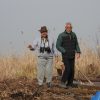
While India’s RAMSAR Sites Tally Rises, Wetlands Remain Endangered
Late in February, India’s noted ornithologist and conservationist, Asad Rahmani, wrote a letter to a wildlife warden in north India expressing his satisfaction about the availability of water in four important wetlands in Kashmir, where migratory birds from central Asia and Europe arrive annually for wintering.
Standing Firm: Civil Society at the Forefront of the Climate Resistance
The recent US court case that ordered three Greenpeace organisations to pay damages of over US$660 million to an oil and gas company was a stunning blow against civil society’s efforts to stop runaway climate change and environmental degradation. The verdict, following a trial independent witnesses assessed to be grossly unfair, came in reaction to Indigenous-led anti-pipeline protests. It’s vital for any prospects of tackling the climate crisis that Greenpeace’s appeal succeeds, because without civil society pressure, there’s simply no hope of governments and corporations taking the action required.
Europe Is Now the Fastest Warming Continent—Report
It is now official that the European continent is experiencing the fastest rate of global warming, according to a new scientific report released by Europe’s Copernicus Climate Change Service and the World Meteorological Organization (WMO). Last year record temperatures, heatwaves, and floods unleashed a massive toll on infrastructure, cities, economies, and people’s lives and livelihoods in the region.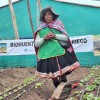
Andean Women Farmers in Peru Face Climate Crisis with Green Practices
"Up here in the highlands, there’s a lot of frost, and everything seems bleak. But I’m so happy since I got my greenhouse and started growing vegetables in a healthy way. I feel like we’re overcoming the challenges of the weather," Anacleta Mamani, a Quechua farmer from the community of Poques (about an hour’s drive from Cusco, the former imperial capital of Peru), told IPS.
Want To Fix the World, Ubuntu (Humanity to Others) Can Help
The world needs an urgent fix and humanity could just be it.
Reflections on CGIAR’s Week-Long Discussions on Food System Science
More than 13,600 participants from around the world registered for the inaugural CGIAR Science Week at the UN Complex, Nairobi, April 7-12, 2025. Dr. Ismahane Elouafi, the organization’s Executive Managing Director, said, “This is a testament that people are thirsty for science and for good news.”
How to Put the ‘Sexy’ Back into Agriculture – Thoughts From CGIAR Science Week
This week presented a beacon of hope for young people so that the “girl from the South and the boy, of course” could stay in the developing world, Dr Ismahane Elouafi, Executive Managing Director of CGIAR, said during a press conference on the final day of the CGIAR Science Week.
Insight to Impact: CGIAR Inaugural Flagship Report for Decision Makers Navigating Food System Science
"To have impact, it was crucial to understand what impact was wanted," CGIAR's Executive Managing Director Dr. Ismahane Elouafi said at the launch of the organization's flagship report, Insight to Impact: A decision-maker’s guide to navigating food system science.
Rohingya Refugees Are Not Safe in Bangladesh or Myanmar
On April 4, it was confirmed by Myanmar authorities that there were approximately 180,000 Rohingya refugees residing in Bangladesh that are eligible to return. Following numerous cuts in funding as a result of President Donald Trump’s reduction of USAID, as well as the increasingly volatile humanitarian crisis in Myanmar, it is uncertain if repatriation will best serve Rohingya refugee communities.
Strengthening One Health Approach in Agriculture Requires Cross-Sectoral Partnerships, Information
Increasingly, experts in the global health and agricultural sectors are finding the One Health approach effective for identifying and addressing health concerns that can influence facets of health. Implementing this approach worldwide will require partnerships across different sectors.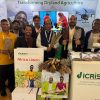
‘Act Before It Gets Worse’ – Experts Warn as Agrifood Problems in Global South Intensify
As agrifood systems in the Global South buckle under the weight of climate change, biodiversity, and even pollution, experts such as Dr. Himanshu Pathak call for urgent innovative solutions, as, at the current pace, the problems of the Global South are going to intensify with escalating climate change.
‘With Science, We Can Feed the World of 9.7 Billion by 2050′
Animal scientist Lindiwe Majele Sibanda became what her grandmother earnestly prayed for when she was growing up on a farm in southern Zimbabwe.
Lessons from the Global South on Transforming AgriFood Systems
The state of food and nutrition security in the Global South masks the great strides and investments made to increase agricultural yields to feed a rapidly growing population. As discussions deepen at the ongoing CGIAR Science Week, plenary discussions on Wednesday (April 9) explored transformative strategies and innovations driving agricultural resilience across Africa, the Caribbean, and Latin America.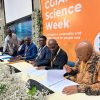
Partnerships Expected to Enhance Agricultural Development
Two crucial partnerships were signed at the CGIAR Science Week in Nairobi today (April 9, 2025), aimed at delivering research for development at scale across Africa.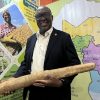
Farmers Need Science Solutions in Their Hands Sooner Than Later
Climate change is outpacing science and farmers are paying the price. Agricultural research innovations need to reach farmers before it is too late.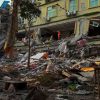
Myanmar Reels From Its Strongest Earthquake in Over a Century
The 7.7 magnitude earthquake that struck central Myanmar on March 28, marked the strongest earthquake the nation has experienced in over a century and the second deadliest in it’s history. The earthquake caused extensive damage in Myanmar and Thailand, with infrastructures in southern China and Vietnam also having been affected.
A Make-or-Break Moment for Global Development Finance—& the Role Philanthropy Must Play
This June, world leaders will gather in Seville for the Fourth International Conference on Financing for Development (FfD4), a milestone opportunity to reimagine how the global economy delivers for people and the planet. But the real question isn’t whether this historic convening will happen. It’s whether it will matter.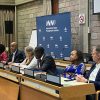
Science-Backed Solutions Buoying Water Security in East Africa
In East Africa, climate change has made water a lifeline and threat. In a region highly dependent on rainfall for growing crops, climate change is threatening water security but science-backed solutions are helping turn the tide.
Growing Legacy: Raising Ambition in Agriculture Scientific Research as CGIAR Unveil New Portfolio
Global food and nutrition insecurity levels are hurtling towards a catastrophe. To counter these problems, leading world experts say science is the 'silver bullet.' That science will build climate-resilient agri-food systems, improve livelihoods across the value chain, and ensure more affordable, nutritious food while safeguarding the environment.
Behind the Feeding of the 5,000 (or Should That Be 10,000) at CGIAR Science Week
Good Food for All is the motto of The Chef's Manifesto, a project that brings together more than 1,500 chefs from around the world to explore how to ensure the food they prepare is planet-friendly and sustainable.
Welcoming Science: CGIAR Week-Long Focus on Innovation for Food, Climate-Secure Future
The world’s leading scientists and decision-makers in agriculture, climate, and health are meeting in Nairobi this week to promote innovation and partnerships towards a food, nutrition, and climate-secure future. As current agrifood systems buckle under multiple challenges, nearly one in 11 people globally and one in five people in Africa go hungry every day.« Previous Page — Next Page »


Through our global network of local writers, we are continuing our award-winning coverage of global and local environmental challenges, with a focus on the people for whom the ecosphere matters in a direct way: rural dwellers who have little means to protect themselves against adverse conditions; communities that need to switch to sustainable development in order to survive; poor women and children, who are the most vulnerable in natural disasters. Sponsored by the United Nations Environment Program (UNEP), the United Nations Development Program (UNDP) and The World Bank (WB), IPS also maintains the award-winning Tierramérica, a specialised information service on environment and development.

The Week with IPS

NEXT STOP - SDGs
Tracking global progress towards a sustainable world
Tracking global progress towards a sustainable world


