Languages
Saturday, October 3, 2026



News and Views from the Global South
Water & Sanitation

Solar Energy Revitalises Indigenous and Farming Communities in Chile
Communities in Arica y Parinacota, the region in the extreme north of Chile, are using solar energy and are being empowered by projects for shrimp and trout farming, the production of yarn from camelid wool, the production of tomatoes and cheese, and even the sale of surplus solar power to the national electric grid.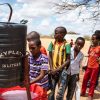
Water Scarcity: Coming Soon
In 1995, a highly-respected water expert in South Africa, Bill Pitman, in very concise terms illustrated that the country, already battling a growing lack of water then, would likely run out in 25 years if it did not increase its supply.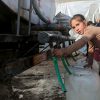
Water Poverty: The Political Connection
The water we drink and the air we breathe are the basis of life. With universal access to clean water and sanitation, we will be healthier, our economies will be stronger, gender equality will be more achievable, and more children will stay in school.
Why is the UK Government Turning off the Tap During a Global Pandemic?
The UK government’s decision to reduce its Official Development Assistance (ODA) budget from 0.7% of gross national income (GNI) to 0.5% -- a cut of around £4 billion this year -- was confirmed last week by a majority of 35 votes in a House of Commons vote.
Caribbean aims to Turn Foul-smelling, Enviro Problem Sargassum Seaweed into High-Value Products
 A regular visitor to the islands of the Caribbean has become a dreaded nuisance over the past ten years. The sargassum seaweed that typically washes ashore now arrives each year in overwhelming, extraordinary amounts for reasons that are not entirely clear.
“If Only the Fighting Would Stop “ A Sudanese Woman’s Wish
With her bare hands, Roda clears debris and forages scraps from her wrecked teashop after attackers scorched Gumuruk, a town in the Greater Jonglei region where conflict frequently disrupts daily life and stifles progress.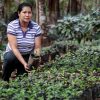
Why we Need to Build Economies– not Walls– to Stop Migration
If you speak to farmers in El Salvador, many will tell you about the time they were driven to head north across Central America towards the US. The routes to the border are many, but the origins are so often the same: desperation and hope that better employment opportunities can be found elsewhere.
Threat of Blackouts in Brazil Highlights Climate Crisis
Twenty years after the blackout that prompted nine months of rationing to keep the power grid from collapsing, Brazil may see a repeat of the traumatic situation, this time with a more obvious climate change undertone.
Stopping Marine Plastic Pollution: A Key IUCN Congress Goal
Documented images of albatross chicks and marine turtles dying slow deaths from eating plastic bags and other waste are being seared into our consciences. And yet our mass pollution of Earth’s seas and oceans, fuelled by single-use plastics and throw-away consumerism, just gets worse.
Water: A Matter of Survival in the World of Pandemics
The COVID-19 pandemic has undeniably amplified the existing vulnerabilities of billions of people worldwide. Marginalized communities in developing countries were excluded from social protection and support.
Water Harvesting Strengthens Food Security in Central America
At the school in El Guarumal, a remote village in eastern El Salvador, the children no longer have to walk several kilometers along winding paths to fetch water from wells; they now "harvest" it from the rain that falls on the roofs of their classrooms.
Three Million in Three Years: Jamaica’s Tree-Planting to Tackle Climate Change
By the time he is finished, Dr. Satyanarayana Parvataneni expects he will be responsible for planting over 200,000 tree seedlings in Jamaica. It is an effort driven by a desire to preserve the planet for the next generation, as well as the one of the largest contributions to date to a national effort to plant three million trees in three years.
Sowing Water: A Cuban Farm’s Bid for Sustainability
Cuban farmer José Antonio Casimiro found in the ageold technique of sowing water an opportunity to meet his farm's water needs and mitigate the increasingly visible effects of climate change.
Improving Water Services Planning for Climate Resilience in Nauru
Policymakers worldwide consistently rank water scarcity among the greatest risks faced by humanity. In Pacific island countries and territories, where water resources are limited, it has become essential to reassess and adapt water planning and decision-making processes taking into account the current and future impacts of climate change.
From Climate Change to Covid, Are We Ready to Deal with Disasters?
In the last 20 years, disasters affected over 4 billion people. At global level we witness on average one sweeping disaster a day, the majority of which are floods and storms. From the Covid-19 pandemic to climate change, calamities are taking new shapes and sizes, infiltrating every dimension of society. From the emotional to the political, how do we deal with disasters? How can we create a whole-of-society approach to disaster risk reduction?
Time to End Generational Injustice with a ‘Global Blue New Deal’ to Protect Oceans
Increasingly, youth are rising up to declare that they've had enough of the cyclical exploitation of the environment that jeopardizes their own future.
UN’s Battle Against Climate Hazards Undermined by a Devastating Pandemic
The United Nations has been in the forefront of an ongoing battle against the growing hazards of climate change, including the destruction of different species of plants and animals, the danger of rising sea-levels threatening the very existence of small island developing states (SIDS), and the risks of oceans reaching record temperatures endangering aquatic resources.
Bridging the Gaps Between Climate Action & Biodiversity Preservation
With the climate negotiations getting more and more intense in the light of ensuring meaningful achievements in the upcoming COP- 26 summit in Edinburgh, an event that is key to move forward the pathway towards a net zero future started in Paris, this year World Environment Day on June 5 assumes an even more emblematic meaning.
Sowing Water by Restoring Ancient Ditches in the Peruvian Highlands
In the highlands near the capital of Peru, more than 3,000 metres above sea level, ageold water recovery techniques are being used to improve access to water for 1,400 families, for household consumption and for crops and livestock.
2021: The Year that Matters for the Poorest People on the Planet
This year is being described as pivotal for climate change. That’s not only because we’re reaching a point of no return when it comes to the rise in global temperature, it’s because the 26th UN Climate Change Conference of the Parties – commonly known as COP26 – is due to take place in November in Glasgow.
– Youth Demand Action on Nature, Following IUCN’s First-Ever Global Youth Summit –
On the occasion of World Environment Day, 5 June 2021, drawing from IPS’s bank of features and opinion editorials published this year, we are re-publishing one article a day, for the next two weeks. The original article was published on April 23 2021
« Previous Page — Next Page »


The Week with IPS

NEXT STOP - SDGs
Tracking global progress towards a sustainable world
Tracking global progress towards a sustainable world
