Languages
Wednesday, November 11, 2026



News and Views from the Global South
Water & Sanitation

ZIMBABWE: A Long Dry Season
Headmaster Njabulo Mpofu has weathered long dry spells before, but the water troubles affecting his school in the arid Midlands region of Zimbabwe are severe.Scarce Water Diverted by Greased Palms
The battle to resolve the global water crisis is being grossly undermined by bad governance: bribery, extortion, embezzlement and high-level corruption.
Fighting Dirty Water Is World’s New Ecological Battle
A primary topic of discussion at a weeklong international water conference here can best be summed up in two words: "dirty water".
Time Running Out Faster Than Water, Experts Warn
A major weeklong international water conference opened in the Swedish capital Monday with an ominous warning: time is running out faster than fresh water.Flood-Ridden Pakistan Ineligible For Emergency Debt Relief
A loan deal between the International Monetary Fund (IMF) and flood-stricken Pakistan announced Thursday has drawn the ire of several NGOs that claim the deal represents an "inadequate" and "cynical" response to the disaster that is estimated to have affected the lives of millions.U.N. Lagging on Water and Sanitation Development Goals
The United Nations stands accused of marginalising water and sanitation in its much-touted Millennium Development Goals (MDGs) aimed at improving the lives of billions of people in the developing world.
SOUTH AFRICA: ‘Tea Bag’ Filter Provides Safe Drinking Water
Though it may look like a tea bag, straining water through this recently developed filter could provide a cheap, easily replenished source of water for those who need it most.
EAST AFRICA: Protecting Lake Victoria’s Top Predator
Coordinated conservation measures to arrest the steep decline of stocks of Nile perch in Lake Victoria are showing encouraging results - for fish, if not for fishing communities around the lake.
ZAMBIA: Water Committee Prospers in Lusaka
Residents of Lusaka's George Compound remember the bad old days in the early 1990s, when the area suffered ugly outbreaks of waterborne diseases.BOTSWANA: Acquiring a Taste for Recycled Water
Many Batswana are quick to recoil at the mere mention of drinking treated wastewater.KENYA: Poor Women Beset On All Sides By Violence
"My daughter had repeatedly tried to describe to me what her step-father would do to her when I was not home," says Wanza*, a 28-year-old mother resident of Nairobi's Mathare slum. "On this particular night I pretended to be asleep and watched as he left our bed and went for my eight-year-old daughter."
MALAWI: Local Management the Tonic for Water Woes
Hop over a seep of filthy sludge behind a bathroom screened with ragged sacks, turn past the toilet with battered cardboard walls, crab between mud-brick shanties roofed with rusty metal... There: emerge into a small, neat yard where a dozen women and girls are filling plastic buckets from five water taps sticking out of concrete wall.ZIMBABWE: Questions Raised Over Water Treatment Funding
The memories of Zimbabwe's 2008-2009 cholera outbreak are fresh in the minds of everyone except the people who have the safety of the country's water in their hands.AFRICA: Bring Water Into Climate Change Negotiations
Longer periods of drought, decreased river flow, higher rainfall variability and lower soil moisture content: water is at the heart of the impacts of climate change. Yet the precious commodity scarcely features in climate negotiations.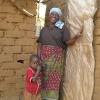
MALAWI: Urban Dwellers Adopting Dry Sanitation
Diarrhoea causes more deaths than malaria and AIDS combined, yet while funding to fight the latter two have risen sharply, the same cannot be said of resources available for hygiene, sanitation and clean drinking water.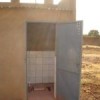
BURKINA FASO: Race to Achieve Goals on Sanitation
The government of Burkina Faso has embarked on the construction of 55,000 latrines each year to improve access to proper sanitation for the population from the present 10 percent to 54 percent by 2015.SOUTHERN AFRICA: Realising Trade in Virtual Water
The vegetables Omphemetse Monyi sells at the Francistown bus rank come from 400 kilometres away in South Africa. One approach to development might seek to replace her suppliers with local farmers, but Southern Africa's water managers are considering the merits of reinforcing a regional trade in "virtual water".ZIMBABWE: Badly Needed Work Begins on Bulawayo Water System
Dispersing feasting flies and angry residents from a manhole cover spewing sewage from people’s homes and into the road: another day in the working life of Njabulo Siziba. It's a dirty, frustrating, thankless job as a civil engineer for Bulawayo city council, but help is at hand for Siziba and the city he serves.
U.N. Declares Water and Sanitation a Basic Human Right
When the United Nations General Assembly adopted the Universal Declaration of Human Rights (UDHR) back in December 1948, 58 member states voted for a historic document covering political, economic, social and cultural rights.
Water as Human Right Threatens to Split World Body
A long outstanding proposal to recognise the right to water as a basic universal human right is threatening to split the world's rich and poor nations.Upstream States Challenge Egypt Over Nile Waters
A water-sharing treaty among five upstream Nile Basin countries - to the exclusion of Egypt and Sudan - has reignited the longstanding dispute over water distribution. Local experts, however, say the agreement will not jeopardise Egypt's historical share of Nile water.« Previous Page — Next Page »





The Week with IPS

NEXT STOP - SDGs
Tracking global progress towards a sustainable world
Tracking global progress towards a sustainable world
