Languages
Wednesday, November 11, 2026



News and Views from the Global South
Water & Sanitation

SOUTHERN AFRICA: Developing a Pristine River: The Okavango Basin
The welcome end to wars in the upper reaches of the Okavango River brings new pressures for development and the risk of unwelcome changes to the health of the river. A joint commission to manage the basin is developing tools to avoid this.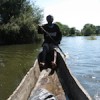
NAMIBIA: Will Farm Project Mean the River Runs Dry?
A proposed irrigation scheme promises greater food security for Namibia, but should the 10,000 hectare Katondo Farm Project be completed, it could threaten the health of the Okavango River.
Residents Hope 2010 Flooding Prompts Govt Action in Luanda
The water seeped into Feliciana Teresa Matia’s home from beneath its mud floor and when her 20-year-old son Francisco got up to go to work, grabbing a metal pole for guidance in the dark, he was electrocuted.
SOUTHERN AFRICA: Some For You, Some For Me: Sharing the Inkomati River
At Ekuvinjelweni village, in South Africa's Mpumalanga Province, the Komati River flows clear and fast through the mountains.Savings Spurned in Zimbabwe Water Purification
Zimbabwe spends an estimated 100 million dollars a year importing aluminium sulphate for water treatment plants. But a local entrepreneur has developed a technique to extract the needed compound from kaolin and flint clays abundantly available within the country.
SOUTH AFRICA: Children Help to Assess Water Health
Miss, Miss, there are tiny creatures here in the water!" a Grade 7 pupil shouts excitedly, trying to draw attention to his water sample. At first, the liquid looks clear, but upon closer examination, one can make out a tiny aquatic invertebrate.
SOUTHERN AFRICA: Sharing the Okavango
Each January, a giant pulse of water from heavy summer rains over the south of Angola enters the Okavango River system and begins a five-month journey through Namibia to a richly biodiverse swamp in Botswana's Kalahari desert. The river is a rarity, scarcely disturbed by human development along its 1,100 kilometre length: shaping its future is the delicate task of the Okavango River Basin Commission.MOZAMBIQUE: Co-existing With Floods
April signals the tail end of the flood season in Mozambique. The country's water managers will soon be able to appraise the effects of changing policies.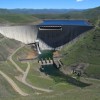
WATER-LESOTHO: Getting Community Consultation Right
The Lesotho Highlands Water Project will move into its second phase in 2010. The first phase has been praised as a shining example of transboundary water sharing in Africa, but community dissatisfaction may mean a rough ride for its extension.A North-South Pact to Resolve Water, Sanitation Crisis
An international coalition of over 120 non-governmental organisations (NGOs) is demanding a North-South partnership to resolve the spreading global crisis in water and sanitation.
SOUTHERN AFRICA: Benefits of Working Together on Water
The river basin organisation people are gathered in Botswana again: the theme this year is "benefit-sharing", an approach to allocating water that, it is promised, will accomplish nothing less than to make more water.MOZAMBIQUE: Weather Service Key to Flood Disaster Management
Mozambique's government learned some tough lessons from the devastating floods that hit the country a decade ago. Experts say the disaster management plans drawn up since are a model for other African countries.
WATER-ZAMBIA: Lozi Make Annual Migration to Higher Ground
Josias Akataama spent March watching the moon wane above, and flood waters rise from below. Only with the sighting of the new moon, would the men, women and children of Kandiani know when they could leave the water-logged village for higher ground.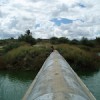
NAMIBIA: Banking Water for the Future
In the driest capital city south of the Sahara, water engineers are "banking" ground water to meet future demand, but the enormous costs might sink the project before water can be harvested.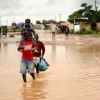
ZAMBIA: Health Fears Follow Floods
As the heavy rains subside, signifying the end of the rainy season, a cholera outbreak is sweeping through the Zambian capital, Lusaka.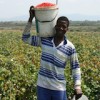
WATER : Swazi Village Gets a Self-Sustaining Water Supply
No one loves the bill collector, and Sifiso Shongwe gets a chilly welcome as he goes from household to household collecting money for Maphilingo's community water scheme.SIERRA LEONE: Plan For Sanitation Rests with Community
Lying forgotten in the bush somewhere is a sign declaring "Ogoo Farm is an open defecation-free community."DEVELOPMENT: Sanitation Goals Falter Amid Official Apathy
At the United Nations, "water and sanitation" have remained inseparable twins on the world body's social and economic agenda.WORLD WATER DAY: Water Everywhere but Not a Drop to Drink
When there are water cuts in Bulawayo, the plants in 59-year-old Ntombizodwa Makati’s vegetable garden are still watered - but she and her family go thirsty.U.S.: Water Crisis High on Policy Agenda, Clinton Says
On a rainy morning here Monday, U.S. Secretary of State Hillary Clinton emphasised the centrality to U.S. foreign policy of addressing the world's water challenges.DEVELOPMENT: Bad Water More Deadly Than War
Bad water kills more people than wars or earthquakes, declares Anders Berntell, executive director of the Stockholm International Water Institute (SIWI).« Previous Page — Next Page »





The Week with IPS

NEXT STOP - SDGs
Tracking global progress towards a sustainable world
Tracking global progress towards a sustainable world
