Languages
Wednesday, November 11, 2026



News and Views from the Global South
Water & Sanitation

MALAWI: Catapults Against Cholera
By this time last year, Mkanda had recorded 14 cholera cases as rainy season descended on central Malawi. This year, there has not been a single report of cholera.
SOUTHERN AFRICA: Preparing for Flood Season
Southern Africa is entering flood season. Governments and policy makers have been challenged to adopt a more preventive approach to disaster management by the Red Cross - what measures are in place?DEVELOPMENT: World’s Longest Toilet Queue in the Making
The "world's longest toilet queue," scheduled for next month, may not be a celebrity-filled event worthy of a Hollywood spectacle - but it could still find a place in the Guinness Book of World Records.ENVIRONMENT-LATIN AMERICA: Glass Half Empty
The countries of Latin America have made progress in terms of access to clean water and sanitation, but have failed to curb greenhouse gas emissions and deforestation, says a new United Nations report.
MAURITIUS: These Women Chose the Sea
She cannot swim, but Marie-Claite Hector is not afraid of the ocean. The 53-year-old pushes her small boat with all her strength towards the blue lagoon, starts the engine, and sets out to sea.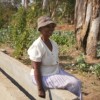
ZIMBABWE: Water Scarcity No Obstacle To Bulawayo Farmers
A project in Zimbabwe's second city, Bulawayo, is creatively using "marginal water" to ease water scarcity while helping residents provide food and earn a living.
MALAWI: Green Belt Initiative Taking Shape
Let the rains fail, even for several successive seasons, and Malawi should still be able to produce enough to feed itself.
TANZANIA: Community Still Worried By Mine Contamination
Susanna Solomon is still tending her shamba, but she won't eat the harvest from her farm when it's ready.URUGUAY: ‘Dry Toilets’ Provide Ecological Solution in Slums
Marisabel's modest home had no plumbing, like the rest of the dwellings in this poor suburb on the outskirts of Montevideo, the capital of this small South American country.SANITATION-ZAMBIA: Turning Urine Into Gold
When he ordered his colleagues at the Water and Sanitation Association of Zambia to save all their urine in a plastic bottle in the office toilet, they thought he was mad. But German sanitation specialist Christopher Kellner wanted to demonstrate why he calls urine "liquid gold".ENVIRONMENT-GUATEMALA: SOS from Lake Atitlan
A thick, chocolate-coloured scum floats on the normally clear blue waters of Lake Atitlán, in the southwestern Guatemalan province of Sololá, caused by agricultural fertilisers and untreated sewage from surrounding villages and farms.
WATER: Poor Sanitation Killing Liberia’s Young
Nineteen-year-old Beauty Phillips clutches her emaciated baby tightly to her chest. At seven months, Inga suffers from malnutrition.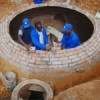
ZAMBIA: Putting Waste to Work
When Obed Mumba first came to the Zambian copper mining town of Ndola in search of work, it was still known reverently as "Ku kalale" - the land of the white man. In the decades since, he has witnessed his Kabushi township outgrow the limited dreams of its planners.DEVELOPMENT: Climate Change Likely to Increase African Hunger Woes
Africa, the continent already most affected by hunger and food scarcity, is likely to see its woes increased due to climate change and the changing rain patterns it provokes, experts and scientists say.
DR CONGO: Urban Water Supply Needs Attention
Kinshasa's population needs an estimated 700,000 cubic metres of water per day. The Régie de distribution des eaux (REGIDESO) produces only 425,000 cubic metres - vast neighbourhoods like Kitokimosi and Mpasa receive almost none of this water.
WATER-ZAMBIA: Worries Ahead of Flood Season
The Zambezi is home to the fishing community on Mbeta Island. But after the river rose and swallowed their homes last year, they have learned to fear it as well.AFRICA: Water Summit Ends
As the Second Africa Water Week ends, participants have reiterated that lack of access to clean water and adequate sanitation has a direct bearing on public health and the economy in Africa.WATER-AFRICA: Civil Society Demands Action, Not Words
"No more commitments... We have had enough of the promises. Can we please see something happening on the ground? Right now, it is business as usual and that’s why Africa is off-track on the MDG target."
AFRICA: Taking the Lead on Water
Water is a resource that binds people together, for better or worse.
SWAZILAND: More Boreholes, No Water
In the drought-stricken area of Siteki, Tibuyile Maziya has been trying to fill up her four 20-litre buckets with water at a community for the last four hours. With a baby on her back and two more buckets to fill up, 19-year-old Maziya says she walks to this well at least three times a week to get water for her family of 15.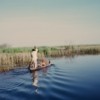
ZAMBIA : Fishing in Troubled Waters
In two decades of fishing on the Zambezi, Darius Wamulume has never seen anything like this. With deep ulcerations and tissue decay, the fish he has caught recently is too unsightly to sell and too suspect to eat.« Previous Page — Next Page »





The Week with IPS

NEXT STOP - SDGs
Tracking global progress towards a sustainable world
Tracking global progress towards a sustainable world
