Languages
Wednesday, November 11, 2026



News and Views from the Global South
Water & Sanitation
WATER-BOTSWANA: A Garden In the Heart of the Village
Look, there's no drama with the borehole in Mokobeng. And that's the way it should be.MOZAMBIQUE: Watching the Water Flow Away
Less than 100 kilometres from the second-largest dam in Africa, women walk with their babies strapped on their back, water pails balanced on their heads.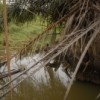
WATER-MOZAMBIQUE: Remote Villages Out of Sight, Out of Mind?
"This is where we get our water from," says a villager on the footpath leading out of Mcondece. Branches and other debris float on the surface of the sluggish, murky brown creek.SOUTH AFRICA: Addressing Water Wastage
How do you fix a leaking pipe?
WATER-ZIMBABWE : New Wells Protect Environment, Build Peace
Twenty years ago, Isaac Chidavaenzi would worry when his neighbours set up vegetable gardens on river banks, trying to get closer to water sources. The number of gardens on the rivers' banks has now decreased, but Chidavaenzi is even more worried.SOUTHERN AFRICA: Lack of Clean Groundwater a Health Threat
As the rainy season approaches, and sewage from pit latrines seep further into the Zimbabwe's groundwater, Irene Ngubeni will be at risk as the country faces another possible cholera outbreak.ENERGY-BRAZIL: Putting (Human) Waste to Work
Biodigester technology, which originated in Asia as a natural process for treating sewage waste, is reemerging in Latin America as an integrated system providing cheap energy, improved sanitation, and even attractive landscaping.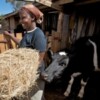
SOUTH AFRICA: We Have Land Rights but No Water Rights – Farmers
Thandi Sihadi stands next to a dry tap. As a maize and dairy farmer in one of South Africa’s driest districts, the lack of running water is nothing new to her.SOUTHERN AFRICA: Too Much Water and Not Enough to Drink
Mmankosana Letsoela has been queuing since 5am to collect water. You would think that arriving so early at the bore-hole water pump; she would be the first in line.
SANITATION-ZAMBIA: Back Policy With Funding
Water- and sanitation-related diseases cost communities dearly, particularly in rural Zambia.
SOUTHERN AFRICA: Neglected Land Washing Away
Damage to wetlands high in Lesotho's Maluti mountains has impacts on the health of the whole of the Orange-Senqu river system.
HEALTH-ANGOLA: "It's Normal Here That Children Die Young"
Angelina Silva doesn’t remember the exact dates when her sons died. She just remembers their ages.
AGRICULTURE: Can South Africa Afford to Export Virtual Water?
Near the banks of the Orange River, farm manager Le Roux Viljoen sends off an SMS to a weather station and receives an almost instantaneous response telling him the temperature, wind direction and estimated evaporation index.SOUTH AFRICA: Less Water More Money
South Africans may have to start paying more for water if they do not manage their water resources efficiently.
SOUTHERN AFRICA: Orange River Wetlands Need a Lifetime to Recover
Much of the internationally-recognised wetland surrounding the Orange River mouth has lost its rich green colour. Situated close to long-standing diamond mining operations, the river's mouth has been treated with environmental disregard for decades.
SOUTHERN AFRICA: Journey of a Working River: the Orange-Senqu
In the steep valleys of Lesotho's Maluti mountains, women carry yellow plastic buckets of water across fields of dark-brown earth; a group of men form a human chain to pass rocks between them to build a small dam wall across a mountain stream; clothes are being washed in rivers; and men draped in blankets ride donkeys or horses along the roadside.
WATER-LESOTHO: Compensation Victory for Displaced Villagers
Taelo Motseki had every reason to wear a broad smile despite the afternoon chill. His family along with 21 others displaced by Phase 1B of the Lesotho Highlands Water Project at Ha Mohale had won a decade-long struggle seeking compensation.
ZAMBIA: Farmers Resort to Human Waste for Fertiliser
The economy's down, the price of fertiliser's up. And Zambian farmers are stealing sewage for their vegetable gardens.
Q&A: Regional Prescriptions for Water Management
The Orange-Senqu River has a one million square kilometre basin that covers Lesotho, South Africa, Botswana and Namibia. The water it provides is crucial to industry in South Africa, but is also relied on by farmers and domestic users.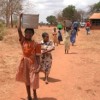
MALAWI: Questions Over Water Stats
A set of new research data contests the Malawian government's claims that nearly all of the country’s urban citizens have access to clean water and sanitation.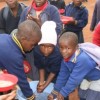
SWAZILAND: Sunshine Brings the Gift of Water
It is break time. A handful of pupils of Sitsatsaweni Primary School are crowded around a 25-litre bucket to wash their hands before tucking into a meal of samp and beans.« Previous Page — Next Page »





The Week with IPS

NEXT STOP - SDGs
Tracking global progress towards a sustainable world
Tracking global progress towards a sustainable world
