Languages
Sunday, September 27, 2026



News and Views from the Global South
Featured
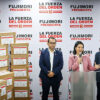
Peru’s Gridlock a Licence for Autocracy?
Right-wing candidate Keiko Fujimori has won Peru’s presidential runoff, narrowly defeating leftist Roberto Sánchez to become the country’s ninth president in a decade. She inherits a system so engineered for dysfunction that rather than making compromises, she may decide the concentration of power is her only means of survival. The constitution that created this trap was written by her father.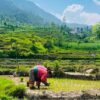
Dry Monsoon in South Asia: Looming Fears of Agricultural Loss, Extreme Heat, and Disaster
Monsoon season in South Asia, including Nepal, is a period of frequent rainfall, extreme heat, and a busy time of the year for farmers. Most farmers in Nepal depend on monsoon rain to plant paddey, the main source of food.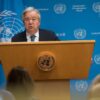
UN Artificial Intelligence Panel Launches Report Ahead of Global Conference
The acceleration of artificial intelligence (AI) and its capabilities is far outpacing governments’ capacities to effectively regulate it. Without scientific evidence to inform their policies, countries will be left at a greater disadvantage, according to the UN’s independent panel on AI.
U.S. Aid Withdrawal for HIV ‘Devastating’
A U.S. decision to cut off funding for HIV projects in South Africa has been condemned amid warnings it could be “catastrophic” for efforts to control the disease in the country.
MEXICO: ‘The World Cup Is an Opportunity to Raise Global Awareness of the Crisis of Enforced Disappearances’
CIVICUS discusses Mexico’s enforced disappearance crisis with Angélica Orozco, a member of Fuerzas Unidas por Nuestros Desaparecidos en Nuevo León (FUNDENL), a collective of relatives of disappeared people and people who support them. Since 2012, FUNDENL has been searching for the disappeared and documenting the human rights crisis.
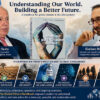
Understanding an Interconnected World
When Roberto Savio begins talking about The Global Citizen Handbook, he does not begin with the book itself. He begins with today’s young people.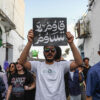
Tunisia: Civil Society Criminalised
In May, Tunisian lawyer and journalist Sonia Dahmani was handed her second conviction of the year. Her latest sentence, a two-year jail term, came in reaction to her criticism of poor prison conditions. She previously received an 18-month sentence for calling out the government’s anti-migrant policies. Dahmani faces five more charges under a 2022 cybercrime law that criminalises the spreading of what it calls ‘false information’.
US Slams Israel for Undermining Peace Negotiations with Iran –but Rift is Dismissed as a Passing Show
The on-again, off-again US-Iran peace negotiations, which have been disparaged by Israeli leaders, have resulted in a rare rift between the US and Israel, a Middle East ally which has had America’s unwavering “iron clad” support since its creation in 1948.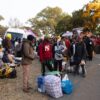
Xenophobia Won’t Bring Wealth – Only Misery – To South Africans Too
Usually, the fiesta to celebrate St Antony at the church with the same name in Crown Mines, Johannesburg, is a lively affair. The church is usually packed with congregants from the Portuguese community, including recent migrants from Mozambique and Angola.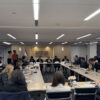
Building Peace Infrastructures: African Leaders Reflect on Peacebuilding
As the United Nations held its first-ever Peacebuilding Week (June 22-26), UN officials and developmental partners gathered at Egypt's Permanent Mission on June 23 to hold a dialogue on the main question that emerged from the 2025 Peacebuilding Architecture Review (PBAR): “How can global commitments to peacebuilding translate into tangible results on the ground?”
My Journey Through 50 Years of Seychelles’ Independence
On the night of 29 June 1976, just before midnight, I stood among my fellow Seychellois at the heart of a moment that would change our history forever.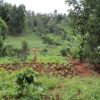
Universities Join Hands to Enhance Agroforestry Research for Mitigating Climate Change
A team of universities, led by Addis Ababa University, has joined forces to implement a four-year Intra-Africa academic mobility project aimed at strengthening agroforestry research and education for climate change mitigation.
GHANA: ‘This Is Bigger than Lgbtqi+ Rights – It’s about the Kind of Society We Want to Be’
CIVICUS discusses Ghana’s anti-LGBTQI+ law with Leila Lariba, Executive Director of One Love Sisters Ghana, a community-driven organisation that advances human rights, social inclusion and wellbeing for Muslim LGBTQI+ people in Ghana.
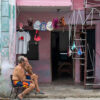
Cuba’s Last Hand
Ever since the Berlin Wall fell 37 years ago and the communist Eastern Bloc collapsed, Cuba has been debating economic reforms to its socialist system. Essentially, the discussion always revolves around the same issues: less state planning, more personal responsibility. In other words, a strong dose of capitalism as an antidote to inefficient and corrupt state bureaucracy.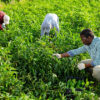
The Silent Metamorphosis
There is a question that is never asked plainly enough in reports on Haiti: why, despite decades of analysis, billions in international aid, and an abundance of national strategies, does the potential of Haitian youth remain so consistently underutilized? This report, The Silent Transformation, is an attempt at an honest answer.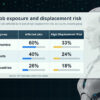
AI Will Destabilize Jobs, the Middle Class and the Welfare State Unless We Act in Time
Artificial intelligence (AI) promises remarkable gains in productivity, science, medicine and education. But it is also poised to wipe out millions of jobs, hollow out the middle class, and drain the tax revenues that pay for hospitals, schools and pensions. The process has already begun, and the time to act is running out.
War, Heatwaves and Energy Shocks Fuel Push for Clean Energy
The 30 COP gatherings may not have done what three months of US-Israeli war against Iran did: expose the world's vulnerability to fossil fuels.
Colombia’s next President: A Reckoning for Peace, Climate and Human Rights
On 21 June Colombians made their choice. By the narrowest of margins, Abelardo de la Espriella, a far-right criminal lawyer who’s never held elected office, became president-elect. Climate activists, human rights defenders, Indigenous communities and peace advocates have the most to lose from the incoming government’s agenda.
Aid Is Falling Fast. What Can African Countries Do?
For decades, official development assistance has been a central pillar of financing in sub-Saharan Africa. That pillar is now weakening—quickly and broadly.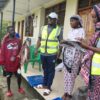
From Nets to Numbers: How Kenya’s Small-Scale Fishers Use Data to Save Their Ocean
As the afternoon sun casts a golden glow over Mukwiro village on Wasini Island on Kenya’s Indian Ocean South Coast, Mwanasiti Mwalola, 26 and Mzungu Mohammed Dhossa, 45, stand at the community fish landing site, carefully receiving baskets of freshly caught fish from returning fishers. A weighing scale hangs before them, with a pen and notebook in their hands; the two have one duty: to collect data on the stock being delivered by artisanal fishers.
From Rotten Tomatoes to AI: Ugandan Commonwealth Youth Award Winner Takes Aim at Hunger Across Africa
Before anyone called her an innovator, before artificial intelligence entered the conversation, before solar-powered cold rooms, before the language of sustainable development, Shifra Ainomugisha knew food loss in its painful form.« Previous Page — Next Page »


The Week with IPS

NEXT STOP - SDGs
Tracking global progress towards a sustainable world
Tracking global progress towards a sustainable world
