Languages
Wednesday, November 11, 2026



News and Views from the Global South
Peace

Death Hangs Over Homecoming at Chernobyl
It was almost 6am on April 26, 1986, when Alexey Breus left his flat in Pripyat and headed towards Chernobyl’s infamous reactor number 4, unaware that it had been five hours since his workplace had witnessed the beginning of the world’s worst nuclear disaster: "Only when I arrived with the bus I saw the destruction," he told IPS. "My hair stood up."JAPAN: Foreigners Show Solidarity Amidst Tragedy
When the massive 9.0 magnitude quake and tidal waves hit their little coastal village on March 11, Mariline Shoji and her husband lost everything they owned.OP-ED: Still No Escape From Killer Chernobyl
The accident could have served as a wake-up call to the whole of humanity. Twenty-five years ago, on Apr. 26 1986, disaster struck at the fourth reactor of the Chernobyl nuclear complex in the Ukrainian state of the former Soviet Union.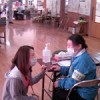
JAPAN: Civil Society Gaining Ground Following Quake
Civil society organisations in Japan have traditionally been on the sidelines in influencing mainstream policy, but the massive Tohoku earthquake and tsunami of Mar. 11 is becoming a catalyst for important change.MEXICO: Recurring Risks from Radioactive Materials
Mexico needs to take urgent steps to tighten oversight of the storage, handling and disposal of radioactive materials that can threaten the lives and health of its population, experts warn.MALAYSIA: Radiation Fears Fuel Protest
Fears of radioactive poisoning have fuelled a protest against an Australian mining company building the world’s largest rare earth processing plant outside China.JAPAN: Quake’s Aftermath Weighs Heavily on Women
Since the horrific Mar. 11 earthquake and tsunami that devastated her coastal town of Minato, in Ishinomaki city, Masami Endo’s three-year-old daughter has been crying and clinging to her every night.
JAPAN: Difficult Shift From Aid Donor to Recipient
April has traditionally been the time for ‘hanami’, or cherry blossom festivals, when millions of Japanese hold parties under the pink flowering trees in parks and streets lit up gaily by lanterns.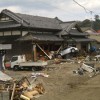
EXCLUSIVE: Report from Fukushima
 My decision to visit Fukushima - the area worst hit by the massive quake, tsunami and nuclear power accident on Mar. 11 - was taken one afternoon last week after a long meeting with scientists.

Brazil Beefs Up Nuclear Emergency Plans
The Brazilian government is tightening safety procedures at its two nuclear power stations. Although this South American country is not prone to earthquakes or tsunamis, it is not exempt from natural disasters like landslides and flooding that could jeopardise evacuation plans if a radiation leak occurred.LATIN AMERICA: Tracking Down Radioactive Food Imports
Rather belatedly, Latin America is beginning to test products imported from Japan to check that they are not contaminated with radioactivity from the Fukushima nuclear power station that was severely damaged by the Mar. 11 earthquake and tsunami.‘No Safe Levels’ of Radiation in Japan
In a nuclear crisis that is becoming increasingly serious, Japan’s Nuclear Safety Agency confirmed that radioactive iodine-131 in seawater samples taken near the crippled Fukushima Daiichi nuclear power complex that was seriously damaged by the recent tsunami off the coast of Japan is 4,385 times the level permitted by law.Fukushima Forces Europe to Rethink Nuclear Energy
The unfolding catastrophe at the Japanese nuclear power plant Fukushima has forced a number of European countries to radically rethink their energy policies and eventually renounce nuclear power.JAPAN: Disaster Highlights Economic Vulnerability
As authorities struggle to control dangerous radioactive material spilling from the quake ravaged Fukushima nuclear power reactors, a more difficult question has begun to unsettle Japan: is the country’s post-war prosperity as invincible as was believed till now?INDIA: Fukushima Revives Debate Over Nuclear Liability
The Fukushima disaster has prompted calls to review legislation passed by the Indian parliament in August 2010 that capped compensation payable, in the event of a nuclear accident, at 320 million U.S. dollars.MEXICO: Villagers Complain of Health Risks from Nuclear Plant
Brenda Mancilla, a 23-year-old Mexican woman, has suffered from tuberous sclerosis, a genetic disorder that causes the growth of benign tumours in body organs, since she was five months old.AUSTRALIA: Pushing Uranium Exports Despite Japanese Crisis
Many countries view nuclear energy as a way to meet growing electricity demands without releasing large amounts of greenhouse gasses. And as a major uranium exporter, Australia is keen to capitalise on future opportunities despite the ongoing nuclear emergency at Japan’s Fukushima reactors.JAPAN: Working Poor Hardest Hit By Disaster
When the massive Tohoku quake struck on Mar. 11, Yayoko Shinohara, owner of a small grocery store on the main shopping street of the now devastated Namie town, grabbed the day’s earnings and escaped to safety with her husband.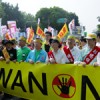
TAIWAN: Opposition Urges Nuclear Phase-out By 2025
Opposition Democratic Progressive Party (DPP) Chairwoman and former Vice Premier Tsai Ing-wen have announced a proposal for a "2025 Non-Nuclear Home Plan" that would allow Taiwan to eliminate reliance on nuclear power by the end of 2025.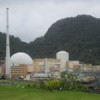
LATIN AMERICA: Enthusiasm for Nuclear Power Cooling Off
The nuclear disaster in Japan has revived the debate in Latin America on the pros and cons of expanding the use of nuclear energy. While both Argentina and Brazil, which had put the greatest emphasis on nuclear power, plan to continue down that road, other countries have put plans and unfinished projects on hold.Public Momentum Builds Against Nukes
Willing or not, the handful of nations armed with nuclear bombs will likely find it ever more difficult in the next few years to reject growing international opinion in support of complete abolition of nuclear weapons, anti-nukes activists and politicians say.« Previous Page — Next Page »





The Week with IPS

NEXT STOP - SDGs
Tracking global progress towards a sustainable world
Tracking global progress towards a sustainable world
