
Friday, October 2, 2026



News and Views from the Global South
IPS UN: Inside the Glasshouse

Poverty and Inequality Mark Rural Life in Latin America
Rural life in Latin America and the Caribbean continues to be marked by poverty and inequality compared to the towns and cities where the vast majority of the population lives. A new focus on rural life in the region could help reveal and address the challenges and neglect faced by people in the countryside.
How Asia Can Unlock $800 Billion of Climate Financing
Countries in the Asia-Pacific region face a shortfall of at least $800 billion in climate financing. With public finances depleted by the pandemic, policymakers must unlock the vast potential of private capital to join the fight more effectively against global warming.
Funding for UN Palestinian Relief Agency is Threatened While Investigations Continue
The consequences of the investigation into the 12 United Nations Relief and Works Agency for Palestine Refugees in the Near East (UNRWA) staffers allegedly linked to the October 7 Hamas attack in Israel have led to major donor countries pulling their support from the UN agency. However, the agency has appealed to the governments to continue the aid in the face of the humanitarian crisis in Gaza.
Building a More Resilient Work Force to Meet Challenges of Tomorrow
Quadrupling in size since 1950, the working age population in Asia and the Pacific now accounts for 67.2 per cent of the total population in the region and is set to peak at 3.3 billion by the mid-2030s.
How to Ease Rising External Debt-Service Pressures in Low-Income Countries
As 2024 starts, the good news is that there haven’t been any notable requests by a low-income country for comprehensive debt relief since Ghana’s, more than a year ago. Despite this, vulnerabilities remain, with high debt servicing costs a growing challenge for low-income countries.
ICJ Orders Israel to Take All Measures to Prevent Genocide in Gaza
The International Court of Justice today told Israel to take all measures within its power to prevent a genocide in the Gaza Strip. Judge Joan E. Donoghue, the court's president, read the order directing the State of Israel to abide by temporary measures to stop the humanitarian crisis facing the Palestinian population in Gaza from worsening.
International Court of Justice Set to Deliver Order in Genocide Case
The International Court of Justice will deliver it's order for provisional measures submitted by South Africa in the case of South Africa versus Israel today.
Ban or Restrict? Quandary Facing Governments as Vaping Entices Teens Worldwide
A hot debate on electronic smoking devices is expected to engage governments, scheduled to meet in Panama from 5-10 February for the tenth session of the Conference of Parties (COP) to the WHO Framework Convention on Tobacco Control (WHO FCTC).
Rights Coalition Calls for Israel Arms Embargo to End Gaza Carnage
A coalition of 16 leading human rights organizations issued a joint statement Wednesday calling on all nations to immediately stop sending weapons to both Israel and and Palestinian militants, warning that continued arms transfers risk exacerbating what's already one of the worst humanitarian crises in modern history.
African Women on the Frontline of Peacekeeping
For over a year, a group of United Nations peacekeepers from Ghana led by Captain Esinam Baah regularly patrolled the “blue line” or the demarcation line between Lebanon and Israel, and visited neighbourhoods in the area, checking in with local families and making sure they were safe.
Matchmaking for Green Cities? Accelerating Climate Finance in Urban Areas
Asia and the Pacific is home to 54 per cent of the world's urban population, who are disproportionately vulnerable to the impacts of climate change (ESCAP, 2023; IPCC, 2022). Why then, do climate action projects in cities commonly face delays in implementation?
Turning Protracted African Conflicts into Sustainable Peace
Among East Africa’s dozens of pastoral tribes, major conflicts have erupted repeatedly, largely over land and water disputes. Generational trauma and anger have built to create tensions and grievances that carry emotional weight even hundreds of years later.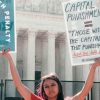
Death Penalty, Condemned by UN, Still in Force in US– but With a New Twist
In a bygone era, public executions of condemned prisoners were common in certain parts of the United States where the death penalty, mostly with lethal injections, is still in force now. The hangings, at the turn of the century, apparently were open to the public and the media.
2024: A Year of Cautious Hope for African Economies Facing Worldwide Challenges
As African economies look to the new year, countries across the continent are poised to make moderate economic gains but must navigate the maze of domestic and international challenges.
The Global Femicide Epidemic
‘Per Giulia e per tutte’ (‘For Giulia and for all’) echoed through the streets of Italy in mid-November 2023. Thousands of women, activists and supporters gathered to protest and show solidarity with the 22-year-old student Giulia Cecchettin, who was killed by her ex-boyfriend on the night of 11 November 2023.
The Impact of Climate Migration on Developing Nations
As the world is still gearing up to welcome 2024, let us find a moment to reflect on some of the key trends of the past year and pursue now to embrace the path towards hope and promise for everyone, everywhere.
AI Will Transform the Global Economy: Let’s Make Sure It Benefits Humanity
We are on the brink of a technological revolution that could jumpstart productivity, boost global growth and raise incomes around the world. Yet it could also replace jobs and deepen inequality.
With Attack on Yemen, the U.S. Is Shameless: “We Make the Rules, We Break the Rules”
Have you heard the one about the U.S. government wanting a “rules-based international order”? It’s grimly laughable, but the nation’s media outlets routinely take such claims seriously and credulously. Overall, the default assumption is that top officials in Washington are reluctant to go to war, and do so only as a last resort.
The World’s Richest Men Leave Women Far Behind—Amid Rising Economic Inequalities
The world’s rich are getting progressively richer while the world’s poor continue to be increasingly poorer. In a new report released January 15, Oxfam says the wealth of the world’s five richest men has doubled since 2020 –even as five billion people were made poorer in a “decade of division.”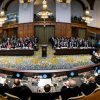
South Africa’s Genocide Case Flawed, Premature, Inaccurate, says Israel
Israel disputed both South Africa’s jurisdiction and the provisional measures that it demanded the International Court of Justice impose on the State of Israel to prevent genocide. Israel’s co-agent, Tal Becker, said in his opening address that Jewish people’s experience of the Holocaust meant that it was among “among the first states to ratify the Genocide Convention, without reservation, and to incorporate its provisions in its domestic legislation. For some, the promise of ‘never again for all people’ is a slogan. For Israel, it is the highest moral obligation.”
Advanced Economies Must Let the IMF Play a Productive Role on Climate
The world faces the existential threat of a climate change crisis, and it is becoming increasingly clear that the outcome of the latest UN climate summit, COP28 — hosted as it was by the CEO of one of the world’s largest oil companies, and filled with a record number of fossil fuel lobbyists — is not going to do much to change that.« Previous Page — Next Page »


It was dubbed "The Glass House" by U.S. ambassador James Wadsworth in 1966. Half a century later, the United Nations has gradually expanded its role as agent of peace and protector of the world's vulnerable populations, while simultaneously facing internal pressures to become more inclusive, increase transparency and maintain legitimacy in the post-Cold War political and economic order. Highlighting the local impacts of global policies on economic development, environment, health and human rights, IPS's coverage goes beyond the edicts of the Security Council to illuminate the power struggles, successes and shortcomings of the 193-member institution as it grapples with crises like climate change, armed conflict, poverty and HIV/AIDS.

The Week with IPS
