Languages
Tuesday, November 24, 2026



News and Views from the Global South
Africa
EUROPE: Failing to Step Up Medical Support to Africa
Almost two years after the European Union resolved to step up its efforts to address the shortage of doctors and nurses in poor countries, its progress has been found unsatisfactory by the bloc's own officials.DEVELOPMENT: Matching Struggling Farmers with the World’s Hungry
In a significant policy shift, the Rome-based World Food Programme (WFP) announced Wednesday that it will start buying food directly from local farmers' associations in developing countries.
TRADE-AFRICA: Art Creating Hope in the Midst of Death and Disease
Zulu artists working at the Ardmore Ceramic Studio in South Africa’s coastal province of KwaZulu Natal have gone from poverty to international acclaim.
POLITICS-ZIMBABWE: Blazing a Trail For Women Politicians
You could spot her easily in the evening newscasts: the only woman among the grey-suited men daily accosted by reporters as they emerged, tense and tight-lipped, from the closed-door meetings.
SOUTH AFRICA: Nurse Shortage Cripples Health System
In the impoverished informal settlement of Du Noon, 20 kilometres north of Cape Town, sick residents rely on a single clinic staffed by six nurses to meet their health needs.
ENVIRONMENT-KENYA: City Living Costs the Earth
At its source in the hills of the Thogoto Forest, the Mbaghati river adds a gushing noise to the quiet verdant landscape.SOUTH AFRICA: High Noon as Mbeki, 11 Cabinet Members Resign
South Africa has been in the grip of political drama for the past two years, with high-profile power mongering culminating this week in the resignation of President Thabo Mbeki on the instruction of the ruling party, the African National Congress (ANC), with a significant number of his cabinet following suit.ECONOMY-SOUTH AFRICA: Manuel, Mbeki Resignations Welcomed by Some
Minutes after the news broke today that Trevor Manuel, South African minister of finance, resigned from his post, the South African currency lost ground against international currencies, falling 20 cents against the dollar within less than an hour.
UGANDA: Women Wield Fair Trade Tools to Beat Poverty
Producing baskets and mats in central Uganda has traditionally been women’s work. Women made these items for use in homes. The National Association of Women Organisations in Uganda (NAWOU) has changed this practice into a powerful force fighting poverty.
KENYA: Tea Market Tumultuous as Trading Partners Change
Tea used to be Kenya’s major cash crop earner but ever since the world’s largest consumer of tea, Pakistan, entered into a free trade agreement with seven of its Asian neighbours, the local tea industry has been haemorrhaging.
RIGHTS-SENEGAL: Street Children at Risk of Exploitation
The Senegalese capital, Dakar, is filled with street children from villages in Guinea Bissau. These boys from Senegal's southern neighbour - aged anywhere between four and twelve - have been sent by their families to study the Koran, but many are getting very little education.ENVIRONMENT-SOUTH AFRICA: Pioneering Conservation Project At Risk
An innovative South African nature conservation project that combines protecting biodiversity and poverty alleviation faces resistance from residents of adjacent properties who are worried about rate increases and land development rights.DEVELOPMENT: Ending Africa's Food Crisis
Africa's food crisis can be alleviated by modernising agriculture and reforming supply chains so that small-scale farmers get cheaper fertiliser and high-yield seeds, experts and officials at a conference in Oslo have argued. But so far, they say, funding is lacking.ECONOMY-KENYA: Shady Deals and Intrigues Haunt Privatisation
The Kenya Railways Corporation was more than a national utility. It was a repository of Kenya’s history, beginning in the 19th century when indentured Indian labourers were brought to the East African region to build the Kenya-Uganda railway line.WEST AFRICA: Cotton Symbolises Global Trade System’s 'Iniquity'
The international cotton trade has been a sad tale for West African countries. The region produces five percent of the world’s cotton and 15 percent of the global cotton fibre trade. Yet West African cotton farmers are among the poorest in the world.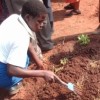
AGRICULTURE-SWAZILAND: Young Farmers Improving Food Security
When her friends go out to play with skipping rope during break, 12 year old Noncedo Masina takes her watering can and goes to work on her plot at the school vegetable garden.ECONOMY-PORTUGAL: Angola Rising
Nearly seven years after rebel leader Jonas Savimbi was killed in combat, Angolans are doing such brisk business with Portugal that the southern European country’s largest former colony in Africa has a double-digit economic growth rate.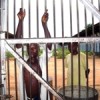
RIGHTS-AFRICA: Prisons Under the Magnifying Glass
"Prisons worldwide face the same crises and problems as those in Africa," says Jeremy Sarkin. Chronic overcrowding, unsafe and unhealthy living conditions, lack of resources, and violence can be found on every continent.ENVIRONMENT-SOUTHERN AFRICA: Ministers to meet over Zambezi Commission
Water ministers of countries that share the Zambezi River will finally launch a long-standing initiative to promote sustainable utilisation of water resources at a meeting in Tanzania in November 2008.
POLITICS-MAURITIUS: Women Still Seeking the Political Kingdom
Mauritius - along with Botswana, Malawi and Madagascar - did not sign the Gender Protocol at the Southern African Development Community (SADC) summit in August. While the island nation has made some recent progress in political representation of women at the level of Parliament, much remains to be done to allow women to enjoy their full rights in the political arena.KENYA: Ready For New Abortion Law?
In May 2008, a group of civil society activists launched a campaign to reform Kenya's archaic abortion laws, sparking a countrywide debate. Now, as a new draft bill on women's reproductive health and rights seeking to decriminalise abortions is set to be tabled in parliament, the battle lines between opponents and advocates of abortion are clearly drawn.« Previous Page — Next Page » *#*

The Week with IPS

NEXT STOP - SDGs
Tracking global progress towards a sustainable world
