Languages
Friday, November 20, 2026



News and Views from the Global South
Armed Conflicts
LIBYA: Obama Threatens Military Action if Attacks Resume
U.S. President Barack Obama issued an ultimatum to Libyan leader Muammar Gaddafi on Friday, less than 24 hours after the United Nations Security Council passed a resolution to "take all necessary measures" short of deploying an "occupation force".
Libya Declares Immediate Ceasefire
Libya's government has announced it will halt all military operations in the country hours after the United Nations Security Council backed a no-fly zone over the country.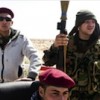
U.N. Body Authorises Military Intervention in Libya
As Libyan leader Muammar el-Gaddafi's fighter planes and helicopters continue to mercilessly pound civilians and rebel groups inside Libya, the U.N.'s most powerful political body voted to militarily intervene in the besieged North African country in an attempt to prevent and neutralise the attacks.U.N. Reported Only a Fraction of Civilian Deaths from U.S. Raids
The number of civilians killed in U.S. Special Operations Forces (SOF) raids last year was probably several times higher than the figure of 80 people cited in the U.N. report on civilian casualties in Afghanistan published last week, an IPS investigation has revealed.Military Intervention in Libya May Already Be Irrelevant
As the White House and its partners in the international community inch closer to a decision over military action in Libya, while Muammar Gaddafi's forces advance steadily into rebel-controlled territory, some analysts argue that the intervention debate is nearing irrelevance after raging unabated for almost a month.COLOMBIA: Return of Land to Displaced Farmers Picks Up Steam
"Wholesale land titling" Colombia's Minister of Agriculture and Rural Development Juan Camilo Restrepo announced Tuesday, adding that titles would no longer only be handed over to individuals who file land claims, but to entire groups of people in specific rural areas.
BANGLADESH-LIBYA: Garment Industry Pledges to Employ Evacuated Labourers
Bangladesh's garment factories and overseas recruiting agencies have pledged to employ a substantial number of Bangladeshi expatriates returning from politically volatile Libya, following the violent crackdown on opposition forces by Muammar Gaddafi's regime there.Sri Lanka: NGOs Face Funding Gap and Government Scrutiny
Lack of donor funding, state phobia against western NGOs, and restrictive work permits for foreign aid workers have together hit the operations of several dozen Sri Lankan NGOs and their foreign counterparts.LIBYA: Time for Intervention Running Out
With Libyan government forces advancing towards the rebel capital of Benghazi, the time for possible military intervention by the U.S. and its NATO or other allies appears to be running short.India, Wary of China and Pakistan, Boosts Arms Stockpiles
As it projects its political and economic power in Asia - and vigorously pushes its longstanding claims for a permanent seat in the United Nations Security Council - India is also steadily strengthening its military might in the sprawling continent.
Ancient Buddhas Will Not Be Rebuilt – UNESCO
Afghanistan's historic Bamiyan Buddhas, destroyed by the Taliban 10 years ago, will not be reconstructed despite claims the 1,500-year-old statues could be repaired, the United Nations Educational, Scientific and Cultural Organisation (UNESCO) said Thursday.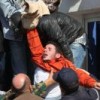
LIBYA: U.S. Edges Towards Rebel Recognition
As the tide of battle appeared to shift for the first time Thursday in favour of forces loyal to Libyan leader Moammar Gaddafi, the United States and its European allies moved closer toward intervening - if not yet militarily - on the side of the insurgency.MAGHREB: For Migrants, Crisis Worsens Economic Situation At Home
The mass exodus of immigrant workers from Libya is aggravating the social and economic situation in the migrants' home nations - from Sudan and Chad in sub-Saharan Africa, to Bangladesh in Asia - according to labour and economic experts.New Air Raids Hit Libyan Oil City
Forces loyal to Libyan leader Muammar Gaddafi have launched new air raids on the oil city of Ras Lanuf and are closing in on the western town of Az Zawiyah.Libyan Weapons May Come Back to Haunt Europe
When Muammar el-Gaddafi went on an arms-buying spree in the 1970s and 80s - stockpiling a staggering array of sophisticated weapons systems both from the East and West - the United States warned that Libya was in danger of becoming one of the world's most "overarmed" countries.LIBYA: Rebels Set Demands for Gaddafi Exit
Rebels will not pursue Libyan leader Muammar Gaddafi over crimes they say he has committed if he steps down from his post by Friday, the head of the rebel National Libyan Council has said.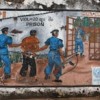
WOMEN’S DAY: DRC Mobile Court a Sign of Hope
Eleven soldiers found culpable in the rape of more than 50 women in the Congolese town of Fizi Centre in January, have begun serving lengthy sentences in the provincial capital, Bukavu. Their speedy trial and sentencing by a mobile court is a welcome sign of a new commitment to ending impunity for sexual violence in the Democratic Republic of Congo.LIBYA: Obama Inches Closer to Military Intervention
Under growing political pressure at home, President Barack Obama inched closer here Monday towards committing U.S. military power to at least protecting areas under rebel control, if not ending the 42-year reign of Libyan leader Moammar Gaddafi.
LIBYA: Aid Groups Struggle with Rising Tide of Refugees
The international community is ramping up efforts to alleviate the growing humanitarian crisis in Libya, which has affected over 200,000 people since the Muammar Gaddafi regime first began a violent crackdown on opposition forces some three weeks ago.Arab World Protests Could Reignite Anti-Nuke Campaign
The global civil society campaign for the abolition of nuclear weapons could be politically reignited by the phenomenal successes of the grassroots demonstrations in Egypt and Tunisia, shadowed closely by Libya, Bahrain, Yemen and Jordan.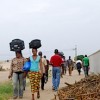
Growing Humanitarian Crisis in Cote D’Ivoire
The U.N. has announced that some 200,000 people have already fled the Abobo neighbourhood, in the north of Abidjan. Each morning for a week now, luggage on their backs, bundles on their heads, the sick riding in wheelbarrows, new borns cradled in their arms, thousands of people have fled Abobo on foot.« Previous Page — Next Page »


Armed conflicts are a sad constant on daily front pages worldwide. Wars, civil wars, revolts, coups, genocides, ethnic and political violence, and global terrorism capture our attention for the geopolitical landslides, human suffering, food crises and streams of migration that follow in their wake. As in times of natural disaster, man-made crises claim frequent casualties among the poor, women and children. IPS examines emerging and ongoing armed conflicts around the world with an eye on the underlying social and political dynamics, and special focus on the lived experiences of those most affected by armed conflict.

The Week with IPS

NEXT STOP - SDGs
Tracking global progress towards a sustainable world
Tracking global progress towards a sustainable world
