Languages
Sunday, November 8, 2026



News and Views from the Global South
Armed Conflicts

Post-Nuclear Nightmares Still Linger Over Pacific Islands
The Pacific islands have long remained victims of nuclear crimes – but the perpetrators, three of the world’s major powers with permanent seats in the UN Security Council, never paid for their deadly sins.
UN Makes Record Appeal for Humanitarian Aid in 2018
The UN has made its largest appeal to work towards reaching the more than 135 million people across the world in need of humanitarian assistance and protection.
Will DNA Data Base Deter Sexual Abuse at UN?
The United Nations is fighting a losing battle against the widespread – and continued – sexual exploitation and abuse (SEA) by UN peacekeepers and civilian staff resulting in relatively few convictions amidst daunting problems in tracking abusers and nailing down paternity claims.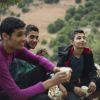
Why UN’s Global Compact on Refugees Must Address Needs of Young People
An estimated seven million refugees – about one-third of the global refugee population – are between 10 and 24 years old, yet this demographic is often overlooked in humanitarian and development responses. At a critical time in their lives, these young refugees experience the stress of displacement, which can impact their future development and success.
Keeping the Spotlight on Violence against Women and Girls
As cases of sexual harassment and assault continue to come to light every day, a different campaign to end such violence wants to keep the spotlight shining.
For Africa to Root out Modern Day Slave Trade, Youth Empowerment Is Crucial
If the thought of a man armed with a rifle and driving with whips a group of African men, women, and children to sell them at a slave market makes you marvel at what kind of greed motivated such revolting barbarity centuries ago, the shocking truth is that we are witnessing a 21st century repeat of that abhorrent practice on African soil.
Ethnic Violence in Ethiopia Amid Shadowy Politics
Ethnic animosity unleashed in Ethiopia has displaced hundreds of thousands as well as rendering all manner of usually sacrosanct loyalties obsolete.
Rejoicing in the Other and Celebrating Diversity Are Needed More than Ever to Address the Root-Causes of Intolerance
The Chairman of the Geneva Centre for Human Rights Advancement and Global Dialogue H. E. Dr. Hanif Hassan Ali Al Qassim deplored the rise of xenophobia, bigotry and marginalization - targeting refugees, migrants and internally displaced persons - that is taking effect in many regions of the world.
Aid Groups Sound Alarm on DRC Crisis
The Democratic Republic of the Congo (DRC) is on the brink of a humanitarian crisis and the international community must step in before it worsens, humanitarian agencies warn.
Aid Groups Condemn Yemen Blockade, Warn of ‘Catastrophic’ Famine
If aid deliveries are not resumed, Yemen will experience the worst famine the world has seen in recent decades.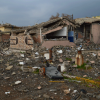
The Illusion of Justice: When Will Reparations be Served to Iraq’s Victims?
It is difficult to spend any time in Iraq without being struck by a sense of profound injustice. After successive decades of war and occupation, violence has become the rule rather than the exception in the country, with each phase of conflict outdoing the previous in terms of brutality and capacity to shock the conscience.
“Refugees Are Nothing but Commodities”
As countless refugees arriving on Italy’s shores report torture, extortion and forced labour in Libyan detention centers, many say they never intended to make the journey to Europe until the chaos in Libya left them no other choice.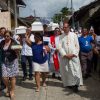
Victims of El Salvador’s Civil War Demand Reparations
Among the sea of names of victims of the Salvadoran civil war, engraved on a long black granite wall, Matilde Asencio managed to find the name of her son, Salvador.
‘Never Again’: Investing in Prevention and Early Action
After the Rwandan genocide, the United Nations promised ‘never again.’ But has the international community kept their word? From Mexico to Myanmar, conflicts and humanitarian crises have multiplied.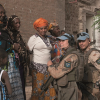
UN Member States, With Exceptions, Pay Lip Service to Women & Peacekeeping
A UN Security Council (UNSC) resolution adopted on 31 October 2000, underlying the role of women in peacekeeping, has long been described as both historic and unprecedented.
Western Sahara’s Locked Positions Might be Loosening
In August last year armed forces from both sides pushed forward into the desert and into the no-go buffer zone that the UN had established.
Historic Resolution on Women & Peacekeeping Remains Mostly Unimplemented
At the 26 October launch of GNWP’s (Global Network of Women Peacebuilders) manual “No Money, No NAP” on dedicated budgetary allocation to fund the implementation of the 1325 National Action Plans, Executive Director of UN Women Phumzile Mlambo-Ngcuka characterized UNSCR 1325 as the most unimplemented resolution of the UN Security Council.
Ending the Male Monopoly on Peace: Women Still Need More Seats at the Table
Whether targeted by perpetrators of sexual violence, oppressed by ideological extremists, or uniquely threatened by the bombing of hospital maternity units, women often bear the brunt of conflicts. Yet when it comes to peace negotiations, women too often don’t have a seat at the table. The continuing reality that men, particularly armed men, enjoy an almost exclusive role in peace processes defies both logic and evidence.
Congo’s Wake Up Call
Late last week, the humanitarian community activated a Level 3 emergency for the Democratic Republic of the Congo (DRC). This trigger in the global humanitarian system is seldom used, and only after serious deliberation by the top echelons of the UN system.
Deliberate Famine Should Be a War Crime, UN Expert Says
The deliberate starvation of civilians could amount to a war crime and should be prosecuted, said an independent UN human rights expert.
Russian & US Vetoes Protect Client States
The vote on the latest American-sponsored resolution in the UN Security Council (UNSC) on Syria was predictable: of the five big powers, China abstained and Russia vetoed, while the US, UK and France voted for it.« Previous Page — Next Page »





Armed conflicts are a sad constant on daily front pages worldwide. Wars, civil wars, revolts, coups, genocides, ethnic and political violence, and global terrorism capture our attention for the geopolitical landslides, human suffering, food crises and streams of migration that follow in their wake. As in times of natural disaster, man-made crises claim frequent casualties among the poor, women and children. IPS examines emerging and ongoing armed conflicts around the world with an eye on the underlying social and political dynamics, and special focus on the lived experiences of those most affected by armed conflict.

The Week with IPS

NEXT STOP - SDGs
Tracking global progress towards a sustainable world
Tracking global progress towards a sustainable world
