Languages
Tuesday, November 24, 2026



News and Views from the Global South
Asia-Pacific

PAKISTAN: Another Terror Attack For TV Cameras
The brazen armed attack on a police academy near Lahore on Monday underlines the danger that the Pakistani state faces from militancy linked to the ‘war on terror', but with historic roots in the earlier Afghan war of liberation from Soviet occupation, or ‘jihad' against ‘God-less communists'.POLITICS-THAILAND: Back to Street Protests
Any hope of political peace returning to Thailand has been shattered by a week of street protests, exposing an emotional fault line that runs through this South-east Asian nation. What began in Bangkok on Mar. 26 had spread to 10 provinces by Mar. 30.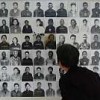
CAMBODIA: Trial of Khmer Rouge Leader Starts Healing Process
Om Chantha,69, says she has waited far too long before finally seeing, with her own eyes, Khmer Rouge leader Duch face trial for torture, crimes against humanity and murder.
Q&A: ‘Khmer Rouge Trials Important for All Humanity’
Theary Seng, orphaned by the Khmer Rouge, believes in the invisible bonds that suffering weaves among people. She calls it the "fellowship of suffering".PAKISTAN: Under Siege by Taliban
Authorities in Pakistan have vowed to deal sternly with Taliban militants who have this month mounted a series of deadly attacks apparently aimed at weakening this country that has close links with neighbouring Afghanistan.CAMBODIA: Khmer Rouge Trials May Expose US, China
Limits placed on a United Nations-backed war crimes tribunal in prosecuting surviving leaders of the genocidal Khmer Rouge regime may not prevent revelations about international actors linked to Cambodia's dark period.MIDEAST: US Overtures to Iran Must Wait – Analysts
While most countries in the world welcome Washington’s conciliatory message towards Iran, the Gulf Cooperation Council (GCC) countries are sceptical about an appropriate response from their neighbour.AUSTRALIA: ‘Chinese Asylum Seekers’ Rights Were Violated’
A yet-to-be released report by Australia’s human rights watchdog into the 2005 treatment of a group of Chinese asylum seekers held at the immigration detention here has concluded that serious breaches of civil and political rights were made by the immigration department.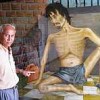
RIGHTS-CAMBODIA: Khmer Rouge Custodial Torture Exposed
On a recent morning, tourists who visited a former high school in this city, turned into an infamous torture chamber during the brutal rule of the Khmer Rouge regime in the mid-1970s, were in for a surprise – the presence of a man who lived to tell the tale.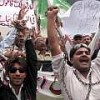
MEDIA-PAKISTAN: Pondering Risks Covering Conflict, Crime, Corruption
The main issue before the Pakistan Federal Union of Journalists (PFUJ) meeting over the weekend in the central Punjab city of Faisalabad is the threat faced by journalists in this conflict-ridden South Asian country.POLITICS-US: Some Strategists Cast Doubt on Afghan War Rationale
The argument for deeper U.S. military commitment to the Afghan War invoked by President Barack Obama in his first major policy statement on Afghanistan and Pakistan Friday - that al Qaeda must be denied a safe haven in Afghanistan - has not been subjected to public debate in Washington.JAPAN: Tensions Rise Over North Korean Rocket
Japan’s Self-Defence Forces (SDF) have been readied to shoot down a North Korean satellite-fitted rocket if it disintegrates or veers over its territories early next month.U.S.: Obama Affirms New Focus on Afghanistan, Pakistan
In what marks a significant escalation in U.S. involvement in Afghanistan and Pakistan, President Barack Obama Friday outlined what he called a "comprehensive, new strategy" for the two countries to fight al Qaeda and its local allies.
Q&A: Cambodians Look Beyond Khmer Rouge Trials
While the trial of the notorious jailor of the genocidal Khmer Rouge regime is expected to break new legal ground in Cambodia, justice is not all that people here expect to come out of the war crimes tribunal.EAST TIMOR: Case Backlog Worries New Prosecutor General
East Timor’s new prosecutor general, Ana Pessoa, says that she is ready to "strengthen’’ her office through ‘’first of all trying to understand why there are so many pending cases".POLITICS-MALAYSIA: New PM Must Overcome Credibility Deficit
Prime Minister Abdullah Badawi steps down this month, forced out by powerful factions in the ruling United Malay National Organisation (UMNO) that feared his liberal policies and compromising ways with political opponents who wish to dismantle rule by an entrenched elite.POLITICS-JAPAN: On Trial 60 Years Later
Although it concluded more than 60 years ago, the Tokyo War Crimes Trial is still a live issue today - in Japan as in the world at large.
HEALTH-PAKISTAN: Spacing Births for Mother and Child
Health experts in Pakistan are now concentrating on getting women from all strata of society to space births.RIGHTS-AUSTRALIA: Tough Terror Laws Part of Routine Policing?
Civil libertarians are concerned that significant powers wielded by authorities in order to conduct investigations into terrorism-related activities are being normalised and made available for less serious crimes.AFGHANISTAN: Long Drought Raises Spectre of Famine
The battle to contain the growing political and military turmoil in Afghanistan may be temporarily overshadowed by an impending threat to millions of people in that strife-torn country: food shortages and starvation.
Q&A: Meltdown a Challenge for HIV/AIDS Programmes
The global financial crisis has created a space for a vigorous debate on the life-prolonging drugs needed for people living with HIV, says Michel Sidibe, the new head of the Joint United Nations Programme on HIV/AIDS (UNAIDS).« Previous Page — Next Page »


The Week with IPS

NEXT STOP - SDGs
Tracking global progress towards a sustainable world
