Languages
Thursday, October 22, 2026



News and Views from the Global South
Editors' Choice

A World of 8 Billion: Population Growth Will Continue But it’s Slowing Down
Global population is about to reach 8 billion, a mere 11 years after it reached 7 billion. The official Day of 8 Billion is observed by the UN November 15, though it's hard to pinpoint exactly when we pass the actual milestone.
‘Tactical’ Nuclear Weapons Could Unleash Untold Damage, Experts Warn
Since the start of Russia’s invasion of Ukraine, the conflict’s potential to escalate to the use of nuclear weapons has been highlighted by political analysts and military experts alike.
Energy: Why Africa Must Be Part of Nuclear Energy Appetite
The search for energy diversification has taken a more frantic pace amidst the global energy transition debate.
COP27: Religious Multilateralism: An Endangered Species in the Age of Triple Planetary Crises
In this year’s COP 27 two-weeklong summit in Egypt, which concludes November 18, a rough count indicates there will be 40 different sessions organised by, for, and about, religious engagements in/on climate change and related issues. This is likely the highest number of events by and around religious actors, organised at a COP event.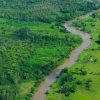
COP27: Bolsonaro’s Defeat is a Triumph for Climate Change Advocates
The electoral defeat of Brazil’s Jair Bolsonaro is a triumph for everyone who is concerned about the peril of climate change. Bolsonaro’s well-deserved defeat could help save the Amazon rainforest, which has been ravaged under his criminal rule, and the process of reversing the looming climate change catastrophe can begin
UN Needs a Sea Change in its Handling of Sexual Exploitation & Abuse (SEA)
Calling it “so disappointing and disheartening” in social media on 17 October, Dr. Rosie James, a British medical expert, announced that “I was sexually assaulted by a World Health Organization (WHO) staff tonight at the World Health Summit.”
COP27: Egypt’s Repressive Regime Under Fire—While it Hosts a Key Climate Summit
The COP27 climate summit in Sharm el-Sheikh has triggered a negative fallout for Egypt’s authoritarian regime which stands accused of human rights abuses -- and has been widely condemned for its longstanding repressive campaign against dissidents and civil society organizations (CSOs).
Africa: Will COP27 Deliver or be a Climate Forum of Empty Promises?
Africa is counting on COP27 to deliver it from climate change. But will it?
COP27: Why Global Action is Needed to Decarbonise Industries Everywhere
Ahead of this year’s COP27 in Egypt, industry and government representatives from 15 developing countries across Asia, Latin America and Africa met in a series of consultations about the challenges and opportunities they face in decarbonizing some of their most energy intensive industries like steel, cement and concrete.
COP27: The Thorny Road to Sharm El Sheikh
The 27th Conference Of Parties (COP27) on Climate Change comes at a time when we are facing unprecedented challenges due to the magnitude and the interconnected nature of our multiple structural crises. The world's average temperature is now at 1,1℃.
Pacific Islands: Climate Finance Action a Priority at COP27
Today, the window of opportunity for scaled-up global climate action to prevent disastrous global warming and build resilience in the most vulnerable nations is closing fast. And a major impediment to reducing emissions and accelerating climate adaptation is both lack of financial investment and major bureaucratic hurdles to accessing those funds that are available.
COP27: A Climate Summit Following Empty Promises & Funding Failures
The COP 27 climate summit is taking place amid a rash of political, economic and environmental upheavals, including missed funding and emission targets, increased pollution and climate devastation, rising global inflation, cuts in Western development assistance and the negative after-effects of the Covid-19 pandemic and the Russian invasion of Ukraine.
Solar Power Brings Water to Families in Former War Zones in El Salvador
The need for potable water led several rural settlements in El Salvador, at the end of the 12-year civil war in 1992, to rebuild what was destroyed and to innovate with technologies that at the time seemed unattainable, but which now benefit hundreds of families.
Solidarity and Negotiations to End the Ukraine War
On November 1, a statement of solidarity with Russians opposed to the Ukraine War was published. It was signed by more than 1,000 U.S. men and women who had opposed the U.S. invasions of Vietnam, Afghanistan and Iraq.
Counting the Massive Financial Costs of Illegal Fishing
As a new report lays bare the massive financial costs to developing states of illegal fishing, campaigners are hoping that drawing attention to the practice’s devastating economic effects will help push governments to greater action against the illicit trade.
Mexican Environmental Prosecutor’s Office Dodges Charges against Mayan Train
A beige line slashes its way through the Mayan jungle near the municipality of Izamal in the southeastern Mexican state of Yucatán. It is section 3, 172 kilometers long, of the Mayan Train (TM), the most important megaproject of President Andrés Manuel López Obrador's administration.
Land Ownership Model Is Restoring Biodiversity, Empowering Communities in Kenya
When Mara Siana Conservancy came into operation in 2016, there was a single zebra and a topi (antelope) in the valley just outside the Maasai Mara National Reserve in Kenya. The valley was also host to fewer than 150 elephants and 200 buffalos.
Oil Exporters Make Markets, Not War
The decision to cut oil production by the Organization of Petroleum Exporting Countries (OPEC) and its allies as of Nov. 1 comes in response to the need to face a shrinking market, although it also forms part of the current clash between Russia and the West.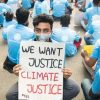
COP27 Climate Summit is an Opportunity to Promote Peace
Peace is precious. The past few months have offered daily reminders of this simple fact. War in Ukraine. Russian and North Korean nuclear threats. Growing tensions over Taiwan. Huge population displacements. Energy crisis. Economic turmoil. Rising global hunger and inequality.
Education Cannot Wait Director Calls on Donors to Expand Support for Successful Programme Bringing Girls and Boys Back to Learning in Post-Conflict Areas of the Democratic Republic of the Congo
The Director of Education Cannot Wait (ECW), Yasmine Sherif, launched a strong call for public and private donors to step up funding, asking them to “show the same courage” she saw in the children she met during her week-long visit to the Democratic Republic of the Congo (DRC).
A Tale of Cities
For decades, urban practitioners have failed to consider the needs of women in city decision-making and planning. Imagine being a young girl in a bustling metropolis.« Previous Page — Next Page »





The Week with IPS

NEXT STOP - SDGs
Tracking global progress towards a sustainable world
Tracking global progress towards a sustainable world
