Languages
Tuesday, October 20, 2026



News and Views from the Global South
Editors' Choice
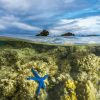
Putting Nature on a Quantifiable, Ambitious Path to Recovery
Up to 1 million species are threatened with extinction – many within decades – this includes nearly one-third of reef-forming corals, shark relatives, and marine mammals. Half of agricultural expansion occurs at the expense of forests, and 85% of wetlands that were present at the beginning of the 18th century had been lost by the year 2000, with the loss of wetlands considered to be happening three times faster, in percentage terms, than forest loss.
Cattle Turn Into New Currency Amid Inflation in Zimbabwe
In 2007 as inflation walloped the Zimbabwean currency, rendering it valueless, then 54-year-old Langton Musaigwa of Mataruse village west of Zimbabwe in Mberengwa district switched to cattle as his currency.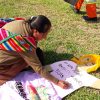
Pandemic Aggravated Violence against Women in Latin America
Violence against women has failed to decline in the Latin American region after the sharp rise recorded during the COVID-19 pandemic, while preventing the causes of such violence remains a major challenge.
Ugandan Women Tackle Domestic Violence with Green Solutions
Constance Okollet Achom, a Ugandan woman from Tororo, a rural village located in Eastern Uganda, has helped several dozens of her peers affected by domestic violence to address the issue by equipping victims with skillsets to manufacture eco-friendly biofuels from agro-forestry waste.
Pan-African Approach Needed to Tackle Food Insecurity Arising from Conflict and Climate Shocks
Upheaval on the global stage, the war in Ukraine, conflict in the Horn of Africa, severe climatic shocks, high international inflation, increasing global commodity prices, high prices of agricultural inputs and low intra-continental trade are fuelling food insecurity across Africa.
COP27: Landmark Win on Loss and Damage Fund
COP 27 delivered on what was the ‘litmus test’ for its success – consensus on the establishment of a fund on loss and damage. What seemed impossible was made possible, largely due to the unity of the G77 and China and the role of the Egyptian Presidency. Also important were efforts by civil society groups who put pressure on the United States, the main blocker to having the fund.
Arbitrary Arrests in El Salvador Hit the LGBTI Community
Police raids against gang members in El Salvador, under a state of emergency in which some civil rights have been suspended, have also affected members of the LGBTI community, and everything points to arrests motivated by hatred of their sexual identity.
Loss and Damage Fund Saves COP27 from the Abyss
They were on the brink of shipwreck and did not leave happy, but did feel satisfied that they got the best they could. The countries of the global South achieved something decisive at COP27: the creation of a special fund to address the damage and loss caused by climate change in the most vulnerable nations.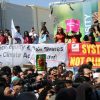
COP27: Historic Loss and Damage Fund Takes COP27 to the Edge
After a tense impasse and many hours of negotiations, almost 200 countries struck a deal to set up a loss and damage fund to assist nations worst hit by climate change – a demand considered not-negotiable by the developing countries.
Peruvian Women Still Denied Their Right to Abortion
No woman in Peru should have to die, have her physical or mental health affected, be treated as a criminal or have an unwanted pregnancy because she does not have access to abortion, said Dr. Rocío Gutiérrez, an obstetrician who is the deputy director of the Manuela Ramos Movement, a non-governmental feminist center that works for gender rights in this South American country.
Food Systems Crucial for Pacific Islands at COP27
Food is everything to the culture and identity of the Pacific island countries. Climate change impacts of rising sea levels and higher temperatures threaten islanders’ food security, which is largely dependent on fisheries and subsistence agriculture. Almost 70 percent of islanders rely on agriculture for their livelihood.
The Innovation Imperative for Small States
Small states take the path less travelled. They face challenges unfamiliar to many: scarce resources, smaller economies and the real impact of climate change.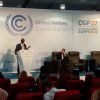
Will the Global Energy Crisis Accelerate the Energy Transition? The Big Question at COP27
COP27 is unlikely to produce new commitments to reduce emissions of climate-changing gases, but the global energy crisis will eventually prompt more action by countries to move away from fossil fuels. That is the positive feeling that many observers are taking away from the annual climate summit being held in Egypt.
COP27: Climate Change Exacerbates Vicious Loop of Human Rights Inequity
Climate change is worsening injustice globally, and the poor and vulnerable communities are the most affected. It is time the world acted on fulfilling human rights and building a liveable planet, says Yamide Dagnet, director for Climate Justice at Open Society Foundations.
As the World’s Population Hits 8 Billion People, UN Calls for Solidarity in Advancing Sustainable Development for All
The global population is projected to reach 8 billion on 15 November 2022, signalling major improvements in public health that have lowered the risk of dying and increased life expectancy. But the moment is also a clarion call for humanity to look beyond the numbers and meet its shared responsibility to protect people and the planet, starting with the most vulnerable.
COP27: Cyclone Nearly Washed Away All My Dreams, says Vanuatu Youth Activist
The only thing Taren Chilia remembers about Cyclone Pam was that it flattened his school in Vanuatu, washing away books, equipment, and – well, almost his dreams too.
Why COP27 Matters to Sierra Leone
Sierra Leone is among the 10 percent of countries in the world that are most vulnerable to the adverse consequences of climate change, and presently one of the least able to cope with the effects.
COP27: Climate Justice: Where do the Religiously Marginalised Fit in?
Climate change reductionism – assuming the causes and the redress for those suffering the worst impacts of extreme weather lies with climate change alone - undermines the rights of religiously marginalised persons, but broadening whose rights are being advocated for in climate change can offer redress.
Indigenous Peoples Have Their Own Agenda at COP27, Demand Direct Financing
Indigenous peoples are no longer content just to attend as observers and to be seen as victims of the impacts of the current development model, at the 27th Conference of the Parties (COP27) on Climate Change. That is why they came to the summit in Egypt with an agenda of their own, including the demand that their communities directly receive funding for climate action.
A World of 8 Billion: Population Growth Will Continue But it’s Slowing Down
Global population is about to reach 8 billion, a mere 11 years after it reached 7 billion. The official Day of 8 Billion is observed by the UN November 15, though it's hard to pinpoint exactly when we pass the actual milestone.
‘Tactical’ Nuclear Weapons Could Unleash Untold Damage, Experts Warn
Since the start of Russia’s invasion of Ukraine, the conflict’s potential to escalate to the use of nuclear weapons has been highlighted by political analysts and military experts alike.« Previous Page — Next Page »





The Week with IPS

NEXT STOP - SDGs
Tracking global progress towards a sustainable world
Tracking global progress towards a sustainable world
