Languages
Saturday, November 7, 2026



News and Views from the Global South
Featured
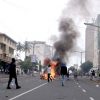
Mozambique: Two Presidents, One Divided Nation
No illusions: Mozambique remains in crisis, despite the inauguration of Daniel Chapo as president and the establishment of a new parliament. While the widespread allegations of massive electoral fraud during the elections on 9 October 2024 were the immediate trigger for the unrest, the protests revealed deeply entrenched socio-economic and political grievances.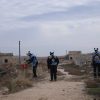
Hidden Danger: How War Remnants Threaten Syrian Lives
When 42-year-old Amina al-Hassan's family returned home after the fall of the Bashar al-Assad regime, her son stood on a landmine. Hassan, from Kafranbel in southern Idlib countryside, sits beside her son's bed in the hospital after his leg was amputated following the explosion on agricultural land near their home.
‘Areas Essential to the Global Climate Are Being Threatened by Economic Projects’
CIVICUS discusses activism against oil auctions in the Democratic Republic of the Congo (DRC) with François Kamate, founder and coordinator of the young environmental volunteer movement Extinction Rebellion Rutshuru.

Explainer: Why Glaciers Are Alive, Life-Giving and Worth Preserving
The United Nations declared 2025 as the International Year of Glaciers’ Preservation to promote awareness about the role of glaciers, snow and ice. The climate system and global hydrological cycle are dependent on accumulated water in solid form as glaciers, snow and ice. Because of the global temperature rise and its impact on the Earth’s cryosphere, socio-economic and environmental effects are being observed.
Gaza Humanitarian Aid: How a Lack of Political Will Sabotaged Resolution 2720
Before the three-phased ceasefire deal—proposed by President Joe Biden and dragged over the finish line by the then-incoming Donald Trump administration—silenced the bombs and drones over Gaza and allowed for humanitarian aid to flow into the strip, there was United Nations Security Council Resolution 2720.
The Road to and from Wuhan: Is Trump a Threat to Global Health?
On his first day in office, President Donald Trump signed an executive order withdrawing the U.S. from the World Health Organization (WHO) – a move experts say makes the U.S. and other countries less safe from infectious diseases and other public-health threats. It might thus be opportune to return to the global COVID 19 pandemic. Has the threat really gone away? Can something similar not erupt again?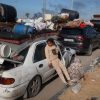
Genocide 2.0—Trump’s Plan for Cleansing Gaza
Either the new US President, Mr. Trump, is ignorant of international law or thinks he’s so brilliant that he doesn’t care about it. Either way, he seems to have stumbled into proposing an extension of Israeli Prime Minister Netanyahu’s clearly documented crime of genocide by suggesting that somebody “clear out” the people in Gaza, in effect advocating the ethnic cleansing of the territory.
UN Faces Backlash from a Hostile White House
The Trump administration which regained the White House last week after a four-year hiatus, has come down heavily on thousands of illegal immigrants and hundreds of perceived enemies-- triggering a rash of executive orders on military and federal agencies But in the ensuing political chaos, Trump has not spared the United Nations either.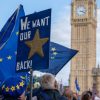
Longing for EU
Good news! For two years now every single UK poll has shown a majority now want to return to the EU. Of course they do, since every reliable source shows the continuing damage done by Brexit in almost every sphere. Those promised ‘Brexit benefits’ are nowhere to be seen.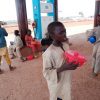
Malnutrition in Nigeria Rises Alarmingly, Urgent Action Needed
In June 2024, 26-year-old Zainab Abdul noticed her two-year-old daughter growing pale, losing weight, and battling diarrhea. She wasn’t surprised. Since jihadist-linked bandits had forced them out of their village in Kadadaba, Zamfara State, in northwestern Nigeria, her family had been living in a refugee camp with limited access to food.
Davos Leaders Pledge Support for Bangladesh Reform Agendas
As Bangladesh Chief Adviser Professor Muhammad Yunus emerged from a meeting during the World Economic Forum (WEF), Timor-Leste President Jose Ramos-Horta came forward to greet him, a demonstration of how warmly the global leaders and dignitaries received the person tasked with leading the interim government.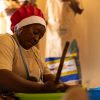
Cooking up Success: Solar Kitchen Initiative Aims to Expand Access to Clean Energy in Angola
Access to energy is essential for sustainable development, but for many rural communities, it’s still out of reach. In Angola, according to the 2019-2020 agricultural census, most rural villages lack access to electricity.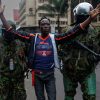
Kenya’s Shadow War on Activism
Kenya’s young protesters are paying a high price for speaking out. Last June, a protest movement led by first-time activists from Generation Z emerged in response to the government’s Finance Bill, which would have introduced sweeping tax increases. The government quickly withdrew its plans, but protests continued, articulating anger at economic strife, elite corruption and out-of-touch politicians. The government’s response has been violent. Police have used batons, teargas and water cannon against protesters. On the worst day of violence, 25 June, when some protesters attempted to storm parliament, police fired live ammunition. Over 60 people were reported killed during the protests. At least 1,200 were reportedly arrested.
Rising Opposition Movement Looks to Political Renewal, Stemming Erosion of Democracy in Hungary
The Central European nation of Hungary is officially a democracy. But civil society, the media and democratic norms have increasingly come under threat as the Fidesz-KDNP coalition government, led by Prime Minister Viktor Orbán, has entrenched autocratic rule over the past 14 years. Now a new wave of energy and popularity is driving the younger opposition movement into the spotlight ahead of next year’s parliamentary election.
‘The Closure of Meta’s US Fact-Checking Programme Is a Major Setback in the Fight Against Disinformation’
CIVICUS speaks with Olivia Sohr about the challenges of disinformation and the consequences of the closure of Meta’s fact-checking programme in the USA. Olivia is the Director of Impact and New Initiatives at Chequeado, an Argentine civil society organisation working since 2010 to improve the quality of public debate through fact-checking, combating disinformation, promoting access to information and open data.
Report Exposes Silent Global Emergency as More Crises-Affected Children Need Urgent Education Support
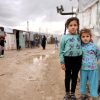
A report released today on the International Day of Education sounds alarm as the number of school-aged children in crisis worldwide requiring urgent support to access quality education reaches a staggering 234 million—an estimated increase of 35 million over the past three years fueled by intensifying armed conflict, forced displacements, more frequent and severe weather and climatic events, and other crises.
How Artificial Intelligence Will Affect Asia’s Economies
Asia-Pacific’s economies are likely to experience labor market shifts because of artificial intelligence (AI), with advanced economies being affected more. About half of all jobs in the region’s advanced economies are exposed to AI, compared to only about a quarter in emerging market and developing economies.
Should King Baudouin, DRC’s Last Sovereign, Be Beatified?
During his visit to the Kingdom of Belgium in September 2024, Pope Francis was full of praise for King Baudouin, who ruled Belgium for more than 40 years. The pontiff announced the start of the beatification process for the man who, on the Belgian side, ratified the Congo's act of independence on June 30, 1960.
A Dream Deferred: Why Is Traveling Across Africa So Hard for Africans?
Aliko Dangote, Africa’s richest man, carries his frustration as visibly as he carries his passport. To travel across the continent he calls home, he needs 35 visas—each a bureaucratic hurdle and a reminder of the barriers to free movement and trade in Africa.
Fallen Black South African Soldiers From World War I Finally Remembered
It was a solemn ceremony on a bright sunny day on the southern tip of Africa, in Cape Town’s company gardens, amid the grass wooden structures that stand out. The 1,700 carefully constructed brown wooden carvings are standing in a line. These structures represent a new Commonwealth War Graves Commission (CWGC) memorial, which honors the contribution of the hundreds of Black South African military laborers of the First World War. The CWGC remembers the fallen soldiers of both World Wars equally with this first permanent redress tribute.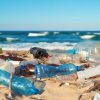
Let the Kite Fly High
The global plastics negotiation process, launched in 2022 under a resolution by the UN Environment Assembly, represents an unprecedented effort to combat the escalating plastic pollution crisis.« Previous Page — Next Page »





The Week with IPS

NEXT STOP - SDGs
Tracking global progress towards a sustainable world
Tracking global progress towards a sustainable world
