
Friday, October 23, 2026



News and Views from the Global South
Food Security and Nutrition

Displaced Farmers in Southern Lebanon Still Denied Access to Land
Food security and livelihoods in southern Lebanon are under severe threat as the repercussions of Israeli bombing continue to be felt across the region, a report released today (NOV 10) has warned.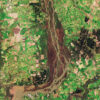
Eyes in the Sky: How Satellites Are Helping to Reduce Emissions from Livestock
Thousands of years ago, we looked to the stars for guidance — constellations like Taurus and the Pleiades signalled the changing of the seasons and the best times to plant, harvest and move animals.
Drought-hit Tanzania’s Villages Confront Harshest Reality of Climate Change
The dust was already swirling when Asherly William Hogo lifted himself from a makeshift bed before dawn. The 62-year-old pastoralist, lean from a lifetime of walking these plains, slipped into his sandals and stepped outside. Stars glittered over Dodoma, but the air was warmer than it used to be, Hogo swears. He whistled for his cows. Years ago, this hour meant an arduous trek to distant waterholes.
From Reforestation to Low-Emission Food, Climate Action Starts with Seeds
When you think of climate action, images of wind farms, solar panels, bicycles or electric vehicles may come to mind. Perhaps lush forests or green landscapes. What you may not think of is the humble seed.
Women in Sudan are Starving Faster than Men; Female-Headed Households Suffer
The food crisis in Sudan is starving more day by day, yet it is affecting women and girls at double the rate compared to men in the same areas. New findings from UN-Women reveal that female-headed households (FHHs) are three times more likely to be food insecure than ones led by men.
To Tackle Microplastic Pollution from Synthetic Textiles, Rebuild Natural Fibre Markets
Plastic pollution has emerged as one of the most pressing environmental challenges of our time. Since the mid-20th century, over 8 billion metric tons of plastic have been produced globally (UNEP, 2021). Shockingly, more than 90% of this plastic waste has not been recycled. Instead, it has been incinerated, buried in landfills, or leaked into the environment where it can persist for hundreds of years, fragmenting into microplastics.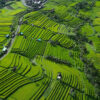
Global Food Demand in Middle-Income Nations is Rising, UN Report Says
As incomes rise in middle-income countries, so does the demand for animal-sourced calories, resulting in large increases to global food production, and raising the importance for sustainable agriculture amidst growing concerns of climate change.
Preventing Pandemics Needs Every Tool in the Toolbox – Including Animal Vaccines
Just five years on from the Covid-19 pandemic, another animal-borne disease is mutating and spreading across borders and species. Avian influenza has already resulted in the loss of more than 630 million birds in the last 20 years. And new figures from the inaugural State of the World’s Animal Health report find that the number of reported outbreaks in mammals, including cattle, sheep and cats, doubled last year compared to 2023.
African Fish Workers Excluded From International Trade Deals: Report
A new report has raised concerns about the exclusion of African fish workers from trade protocols between their governments and developed countries, resulting in impoverished communities relying on fishing.
Science Is Useless if No One Understands It
Despite delivering life-saving medicines, more nutritious crops, and transformative technologies like artificial intelligence (AI), science remains widely misunderstood, polarizing, and underappreciated. Much of this, experts say, comes down to one persistent issue: poor communication.
Afghanistan’s Children in Dire Need of an ‘Acceleration in Nutrition Action’
Afghanistan is burdened with one of the highest rates of child wasting globally, with 3.5 million children under five years suffering from a severe form of malnutrition, leaving them dangerously underweight and unable to grow or thrive.
Tanzania Champions Aquatic Foods at UN Ocean Conference in Nice
With less than six harvest seasons left to meet the Sustainable Development Goals (SDGs), the urgency to find transformative solutions to end hunger, protect the oceans, and build climate resilience dominated the ninth panel session at the 2025 United Nations Ocean Conference in Nice, France.
Weaponizing Food Worsens Starvation
Wars, economic shocks, planetary heating and aid cuts have worsened food crises in recent years, with almost 300 million people now threatened by starvation.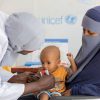
The Risk of Famine Looms Throughout Multiple Sudanese Counties
Over the course of 2025, the food security situation in Sudan has taken a considerable turn for the worst. Compounded by the Sudanese Civil War, millions of civilians face alarming levels of food insecurity and are at risk of experiencing famine. Humanitarian experts have described the situation in Sudan as being the worst hunger crisis in the world today.
UNOC3: A Cry for Global Action to Save Small-Scale Fisheries
Just before dawn, the worn wooden dhows begin gliding toward the shore at Magogoni fish market in Tanzania’s port city of Dar es Salaam. Their tattered sails flutter against the orange sky. Exhausted fishers step out onto the muddy sand, hauling frayed nets and plastic crates, their sun-creased faces tight with fatigue.
Human Life Hinges on the Preservation of Biological Diversity
Since 2000, the United Nations (UN) recognizes May 22 as the International Day for Biological Diversity, in hopes of promoting international cooperation and conversation surrounding biodiversity issues. Through the 2025 theme; Harmony With Nature and Sustainable Development, the UN seeks to increase public awareness around biodiversity loss and promote progress in the Sustainable Development Goals (SDGs).
How Computational Biology Is Zoning in on the Future of Agriculture
When pioneering agronomist and father of the “Green Revolution” Norman Borlaug set out to breed a disease-resistant, high-yielding variety of wheat, he spent years laboriously planting and pollinating different specimens by hand. He manually catalogued every outcome until he landed on the variety that would transform farming and avert famine. The result was even greater than expected: it is estimated that he saved more than a billion people worldwide from starvation.
How Mangroves Save Lives, Livelihoods of Bangladesh Coastal Communities
Golenur Begum has faced 12 cyclones in her life. As a child, she witnessed her father’s house destroyed, and as an adult, she watched her home smashed. Saltwater brought by the tidal surges that accompanied the cyclones wrecked their farms and livelihoods. And with climate change, these impacts are becoming more intense and frequent.
How Science Solutions Are Saving Africa’s Livestock and Livelihoods
Livestock are a lifeline for millions of farmers in Africa as a source of food and wealth. But devastating diseases are threatening the health and productivity of their animals. Now scientists at the International Livestock Research Institute (ILRI) have unleashed a toolbox of science solutions by outsmarting the parasites and pathogens that cost millions of dollars in livestock losses across Africa. The toolbox includes everything from vaccines that protect livestock from ‘cattle malaria’ to genetics to breed animals tolerant to East Coast fever.
Hooves Vs. Habitats: Striking a Sustainable Balance Between Livestock and the Environment Is Crucial to Africa’s Future
In my country, Senegal, almost 70 percent of our land is used to graze livestock. Here and across Africa, pastoralists and livestock keepers sustain herding systems which are closely bound up with our landscapes and crucial to nationwide food security, economic growth, and ecological balance.
Reflections on CGIAR’s Week-Long Discussions on Food System Science
More than 13,600 participants from around the world registered for the inaugural CGIAR Science Week at the UN Complex, Nairobi, April 7-12, 2025. Dr. Ismahane Elouafi, the organization’s Executive Managing Director, said, “This is a testament that people are thirsty for science and for good news.”« Previous Page — Next Page »





More than 820 million people in the world are still hungry today, underscoring the immense challenge of achieving the Zero Hunger target by 2030. Hunger is rising in almost all subregions of Africa and, to a lesser extent, in Latin America and Western Asia. There is great progress seen in Southern Asia in the last five years, but the prevalence of undernourishment in this subregion is still the highest in Asia. A disturbing fact is that about 2 billion people in the world experience moderate or severe food insecurity. The lack of regular access to nutritious and sufficient food that these people experience puts them at greater risk of malnutrition and poor health. Although primarily concentrated in low- and middle-income countries, moderate or severe food insecurity also affects 8 percent of the population in Northern America and Europe.
In every continent, the prevalence rate is slightly higher among women than men.
With regard to nutrition indicators, if current trends continue, the 2030 SDG Target to halve the number of stunted children will not be met nor the 2025 World Health Assembly target to reduce the prevalence of low birthweight by 30 percent. The trends of overweight and obesity are additional reason for concern, as they continue to rise in all regions, particularly among school-age children and adults. The most recent data show that obesity is contributing to 4 million deaths globally and is increasing the risk of morbidity for people in all age groups.
The State of Food Security and Nutrition in the World, a joint report by the United Nations agencies, FAO, IFAD, WFP, UNICEF and WHO reaffirms their commitment to working together to overcome emerging challenges and free the world from hunger, food insecurity and malnutrition. The report shows that the global level of the prevalence of undernourishment has stabilised; however, the absolute number of undernourished people continues to increase, albeit slowly.


The Week with IPS

Tracking global progress towards a sustainable world
