Languages
Saturday, October 10, 2026



News and Views from the Global South
Global
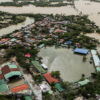
As La Niña Fades, WMO Experts Warn That El Niño Could Set New Global Heat Records
Earlier this week World Meteorological Organization (WMO) announced that the weakening conditions of La Niña conditions are beginning to fade, with climate conditions transitioning toward ENSO-neutral —a phase in which neither El Niño nor La Niña is present and oceanic and atmospheric conditions in the tropical Pacific remain near average. The agency noted that this shift could lead to the development of El Niño later in the year, a pattern typically associated with rising global temperatures and an increased risk of extreme weather events worldwide.
Heralding an Era of Religious Wars
In recent months, the language surrounding the escalating confrontation between the United States, Israel, and Iran has taken on a tone that should trouble anyone concerned with global peace.
The Impact of Artificial Intelligence in Nuclear Decision-Making
As artificial intelligence (AI) threatens to dominate every aspect of human lives —including political, economic, social and cultural --there is also the danger of the potential militarization of AI.
International Women’s Day 2026 No Country in the World has Reached Full Legal Equality for Women and Girls
On 8 March 2026, International Women’s Day, UN Women issues a global alert: justice systems meant to uphold rights and the rule of law are failing women and girls everywhere. Women globally hold just 64 per cent of the legal rights of men, exposing them to discrimination, violence, and exclusion at every stage of their lives.
The Architecture of Hope Under Siege: One Year of Global Aid Dismantling
A year has passed since a 90-day freeze on U.S. foreign assistance signaled the deepening of a structural dismantling of international solidarity. Today, the "existential threat" to the freedom of association I warned of in my report to last year's General Assembly (A/80/219) is no longer a warning; it is a lived reality.
How do we Navigate Asia-Pacific’s Climate-Cyber Polycrisis?
Communities globally are increasingly exposed to overlapping threats. Extreme weather, health emergencies and cyberattacks are occurring more frequently and simultaneously, often interacting in ways that amplify risks and strain response systems.
A New World Order Where Might is Right
As the build-up for a proposed “new world order” continues, a lingering question remains: will the country with the most powerful military reign supreme? The United Nations remains politically impotent. The UN charter is in tatters. The sovereignty of nation states and their territorial integrity have been reduced to political mockery. And the law of the jungle prevails—be it Palestine, Ukraine, Venezuela or Iran.
UN Leaders, Diplomats Warn of Middle East Instability Following Weekend Air-Strikes in Iran
The United States and Israel launched a joint military strike on Iran on February 28. Iran followed with military strikes on Israeli bases and on Arab Gulf states, including Bahrain, Oman, and the United Arab Emirates. The realized threat of a new war has caused alarm for the security situation in the Middle East and its impact on civilian populations.
Massive US War Spending Hike Raises Debt, Taxes, Doubts
As US President Donald Trump pushes the world to war, arms spending has been rising worldwide. Wars secure more budgetary allocations, mainly benefiting the US-dominated military-industrial complex.
International Women’s Day & 70th Session of the UN Commission on the Status of Women
International Women’s Day 2026 comes at a defining moment: Women and girls have never been closer to equality, and never closer to losing it. Legal protection against domestic violence has expanded in many countries. Yet, the rights of women and girls are being rolled back in plain sight, and across the world, women still do not enjoy the same legal rights as men.
Will Palestine Preside Over the Next UN General Assembly?
The 193-member General Assembly, the highest-ranking policy-making body at the United Nations, is most likely to elect Palestine as its next President in an unprecedented move voting for a “non-member observer state”—a state deprived of a country to represent.
Why Tenure Reform Is Key to Curbing Land Degradation
Farmland has long been one of the most important sources of security across generations. Writing about China nearly a century ago, Pearl S. Buck noted in The Good Earth, “If you will hold your land, you can live.” That holds true today. When farmers own land, they invest in it. When they don’t, they extract what they can today without thinking of tomorrow.
Generative AI Could Deepen Inequality, Revenue Losses in Creative Industries
As generative artificial intelligence (AI) rapidly expands across nearly every sector of society, those that work in cultural and creative industries are expected to bear some of the greatest losses. With AI-generated content projected to dominate global markets in the coming years, combined with a lack of strong regulatory frameworks to protect intellectual property and AI’s ability to produce content quickly at a low cost, the United Nations Educational, Scientific, and Cultural Organization (UNESCO) warns that generative AI may become a major driver of inequality, threatening the livelihoods of millions of cultural workers around the world.
Can “Human Fraternity” Move Peace?
As wars drag on and the international order grows increasingly unstable, Abu Dhabi has been offering a different kind of narrative. It sought to recognize early efforts at reconciliation, bring religious leaders into the same space, and place former adversaries under the same spotlight. At the heart of the February 4, 2026 Zayed Award for Human Fraternity ceremony was an attempt to make visible, in a public setting, the choice of moving in the direction of easing conflict.
People’s Pursuit of Dignity, Equality and Justice is Unshakeable
A fierce competition for power, control and resources is playing out on the world stage at a rate and intensity unseen for the past 80 years. People are feeling unmoored, anxious and insecure. The gears of global power are shifting; the consequences are not clear. Some are signalling the end of the world order as we know it.
Loneliness on Planet Earth
Loneliness is a significant health concern on planet Earth. It affects virtually every aspect of human wellbeing and development worldwide.
Russia Assessing the Benefits of WTO Membership
Despite consistent criticisms over its operations down the years, Russia still finds it difficult to leave the World Trade Organization (WTO), and instead assessing the opportunities and broad benefits of membership. WTO is not just an organization, but a multilateral bridge for strategic trade engagement and securing results-oriented partnerships. Certainly, unlocking and accelerating trade initiatives should be the key focus in the changing world.
Trump Tariffs Creating Less Manufacturing Jobs
President Donald Trump has shaken up the world economy and the rule of international law in the first year of his second term – ostensibly to make America great again, particularly by reviving US manufacturing jobs.
Immigrants Are What Made America Great
Trump’s immigration policy is destroying America’s greatness Immigrants are the backbone of America’s greatness— powering its economy, enriching its culture, and advancing its global leadership. Yet under the guise of making America great again, Trump's exclusionary, racist policies are dismantling that very foundation, stifling innovation and tarnishing the nation’s moral standing.
UN Report Details Grave Abuses Against those Trafficked into Scam Centres
A report published today by the UN Human Rights Office graphically details the lived experiences of some of the hundreds of thousands of people trafficked from dozens of countries around the world into working in entrenched scam operations mostly in Southeast Asia, as well as far beyond.
As Biodiversity Loss Grows, Rome Talks Urge Nations to Step Up Action
Governments meeting in Rome last week acknowledged that global efforts to protect nature are still not moving fast enough, even as biodiversity loss continues to affect ecosystems, livelihoods, and economies worldwide.« Previous Page — Next Page »





The Week with IPS

NEXT STOP - SDGs
Tracking global progress towards a sustainable world
Tracking global progress towards a sustainable world
