Languages
Sunday, October 4, 2026



News and Views from the Global South
Global

Global Disability Summit Galvanizes Education Support for Crisis-Impacted Children with Disabilities
Of the nearly 234 million children and adolescents of school age affected by crises, 85 million are already out of school. At least 20 percent of them—or 17 million—are children living with disabilities.
World Autism Awareness Day 2025: Sustainable Development Must Include Neurodivergent Perspectives
In 2007, the United Nations (UN) General Assembly designated April 2 as World Autism Awareness Day (WAAD), in an effort to promote inclusion and human rights for autistic individuals. Much work has been done and pushed forward by autistic advocates to bring lived experiences to global discussions.
Civil Society’s Reform Vision Gains Urgency as the USA Abandons UN Institutions
Today’s multiple and connected crises – including conflicts, climate breakdown and democratic regression – are overwhelming the capabilities of the international institutions designed to address problems states can’t or won’t solve. Now US withdrawal from global bodies threatens to worsen a crisis in international cooperation.
UN Staff Put on Alert — as US Visa Holders Face Threats and Deportation
The Trump administration’s ground-rules are dangerously clear—and devastating. If you are a pro-Palestinian demonstrator, denouncing Israeli atrocities in Gaza, you are either a supporter of the “terrorist organization” Hamas or you are described as anti-Semitic veering on hate crimes liable for prosecution.
Global Climate Action Progressing, but Speed and Scale Still Lacking
2025 marks the tenth anniversary of the Paris Climate Agreement. One of its chief architects, Christiana Figueres, says the world is heading in the right direction but warns that urgent action is needed to close critical gaps. The pact, adopted in 2015 by 195 nations, set out to limit global warming to "well below 2°C" above pre-industrial levels, striving for 1.5°C. But in 2024, the world shattered records as the hottest year ever, surpassing that crucial threshold.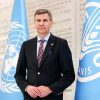
Water and Food Security in Europe and Central Asia: A Shared Challenge for a Sustainable and Just Future
Degrading soil, air pollution, vanishing biodiversity, emerging plant and animal health issues and more are coming together in the current situation of multiple crisis. Ensuring water security is just one, among the many challenges individuals, countries, and the world faces. Yet, we shouldn’t forget that water makes up the largest percentage of our bodies and the same applies to animals, plants and the planet’s surface. The threat of water insecurity is, as we all see, not a petty problem, but one of the greatest challenges of our century.
UNICEF Report Warns of Rising Rates of Child Mortality without Proper Funding
Despite levels of child mortality and stillbirths having significantly decreased since 2000, increasingly unequal and limited access to basic services around the world endangers millions of children around the world, a new report finds.
Building Resilience in Least Developed Countries – A Pathway to Sustainable Transformation
As the world grapples with overlapping crises—climate change, economic instability, and food insecurity—the 44 Least Developed Countries (LDCs) face existential threats that demand urgent, collective action.
How to Turn the Tide: Resisting the Global Assault on Gender Rights
This year’s session of the United Nations Commission on the Status of Women (CSW69), the world’s leading forum for advancing gender equality, confronted unprecedented challenges. With Saudi Arabia in the chair and anti-rights voices growing increasingly influential in the forum, the struggle to hold onto international commitments on gender equality intensified dramatically. On 8 March, International Women’s Day mobilisations also took on added urgency, with demonstrations from Istanbul to Buenos Aires focusing on resisting the multiple manifestations of gender rights regression being felt in communities worldwide.
Will UN be a Possible Target as US Goes on a Rampage?
The Trump administration, spearheaded by senior adviser Elon Musk, has been on a wild rampage: mass layoffs of government employees, gutting federal agencies, dismantling the Department of Education and USAID, defying a federal judge and threatening universities with drastic cuts in grants and contracts—decisions mostly engineered by the newly-created Department of Government Efficiency (DOGE).
Malnutrition Not Due to Cash Poverty Alone
The World Bank set its US ‘dollar-a-day’ poverty line using its 1990 data. Despite many doubts and criticisms, its poverty numbers fell until the COVID-19 pandemic began in 2020.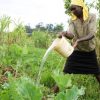
Empowering Women in Agriculture: Breaking Barriers for a Thriving Future
On March the 8th, the world celebrated International Women’s Day. This year’s theme was “For ALL Women and Girls: Rights. Equality. Empowerment” and called for actions that aim to unlock power and opportunities for women around the world by leaders across governments, corporate and private sector, academic communities, and civil societies.
Strengthening Indigenous Peoples and Local Communities’ Knowledge and Access Opens up Opportunities for Climate, Biodiversity and Desertification Action
The central role Indigenous Peoples and local communities in addressing climate change, biodiversity loss and desertification has gained widespread recognition over the past decade. Indigenous Peoples’ close dependence on resources and ecosystems, exceptional tradition, and ancestral knowledge are invaluable assets for the sustainable management of our planet’s natural resources.
The Profound Rise of the Elderly
The 20th century ushered in the profound rise of the elderly. During the 21st century, the elderly as a result of their rising numbers and growing proportions of country populations will be increasingly impacting government policies, programs and expenditures.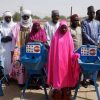
A Path Towards Ending Child Marriage
As the sun rises over coastal Gopalpur, Odisha, in eastern India, dozens of children prepare for school. Unfortunately, for many girls in the state, the arrival of their first period can mean the end of their school years as they face societal pressures to become brides.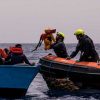
A Test of Humanity: Migrants’ Rights in a World Turning Inward
The United Nations Refugee Agency faces devastating cuts that may eliminate 5,000 to 6,000 jobs, with potentially catastrophic consequences for millions of people fleeing war, repression, hunger and climate disasters. This 75-year-old institution, established to help Europeans displaced by the Second World War, now confronts an unprecedented financial crisis, primarily due to the US foreign aid freeze – and the timing couldn’t be worse.
‘What’s Next?’ Women-led Movements Fear for the Future
Women rights advocates who gathered at UN Headquarters for the world’s biggest meeting (10 -21 March) on gender equality have been sharing their concerns about the growing backlash against feminism, and how major funding cuts from donor countries could threaten programmes aimed at improving the lives of women and girls.
Funding Crunch Puts Years of Progress at Risk in Fight Against Tuberculosis
Governments and donors must ensure funding is sustained to fight tuberculosis (TB), organizations working to stop the disease have said, as they warn the recent US pullback on foreign aid is already having a devastating effect on their operations. NGOs and other groups that play a critical role in national efforts to stop what is the world’s deadliest infectious disease say the US administration’s recent decisions to first freeze and then cancel huge swathes of foreign aid funding have put countless lives at risk around the world.
World Day for Glaciers
Glaciers Are in Threat, May Not Survive the 21st Century
Many glaciers in the world will not survive the 21st century, according to reports published by the United Nations. Five of the past six years have experienced the most rapid glacier retreat on record; 2022-24 was the largest three-year loss of glacier mass. 
The Toll of Mental Health in Conflict Areas
Over the past two decades, conversations surrounding mental wellness have entered the cultural consciousness in the western world. Despite this, these topics receive far less media exposure in the Global South, particularly in areas that have been entrenched in warfare, where the onset of harmful mental health conditions are prevalent.
How Aid Cuts Will Shatter Global Water and Sanitation Progress
The principle of leaving no one behind is central to the UN Sustainable Development Goals (SDGs). The progress toward achieving SDG 6, which aims to ensure universal access to water, sanitation, and hygiene by 2030 is increasingly under threat with recent development funding cuts posing a significant barrier.« Previous Page — Next Page »


The Week with IPS

NEXT STOP - SDGs
Tracking global progress towards a sustainable world
Tracking global progress towards a sustainable world
