Languages
Monday, September 14, 2026



News and Views from the Global South
Global
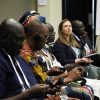
Democracy, Civic Space and Fundamental Freedoms Are under Attack, but Civil Society Is Here to Stay
During the Forus network’s General Assembly which took place in Gaborone, Botswana, civil society organisations from across 65 countries highlighted the challenges facing them globally in an increasingly polarised and crisis-hit world.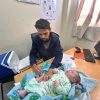
International Community Urged to End Impunity for Violence Against Healthcare in Conflicts
Governments and international agencies must do more to end impunity for violence against healthcare, campaigners have urged, as a new report shows that attacks on healthcare during conflicts reached a new high last year.
Small Island Developing States can be Nature-Positive Leaders for the World
Small island developing states (SIDS) are scattered across the globe, dotting the Pacific Ocean, the Caribbean, the west and east coasts of Africa and the Indian Ocean.
ICC War Crimes Charges a Milestone but Falls Far Below Expectations
The ICC Prosecutor’s applications for arrest warrants regarding the Situation in Palestine represent a milestone. But they are of little credit to Prosecutor Karim Khan.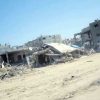
ICC Move to Seek Warrants for War Crimes in Gaza Triggers a Backlash from US
The International Criminal Court’s (ICC) decision to seek warrants on Israeli Prime Minister Benjamin Netanyahu and his Defense Minister Yoav Gallant has triggered a strong backlash both from the Biden administration and a group of pro-Israeli Senators in the US Congress. The names in the ICC arrest warrants also include Yahya Sinwar, Mohammed Diab Ibrahim Al-Masri (Deif) and Ismail Haniyeh—all leaders of Hamas.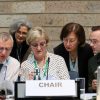
Biodiversity Meet Suggests New Guidelines on Synthetic Biology Amid Persisting Questions
After a week-long discussion by delegates from 196 countries, the 26th meeting of the Subsidiary Body of Scientific, Technical, and Technological Advisors (SBSTTA) of UN Biodiversity has concluded with a set of recommendations on several issues, including living modified organisms (LMOs) and synthetic biology. All nations must consider the recommendations, discuss them, and possibly adopt them at the Biodiversity COP in October. However, many questions remain unanswered and unclear.
Billions will Vote this Year – LGBTIQ+ People Must not be Excluded
This year has been called the ‘super election’ year, with 3.7 billion people potentially going to the polls. This historic political moment is also an opportunity to reflect on what these billions of voter experiences will look like. Who will vote, who can run for office and who might be excluded from the political process?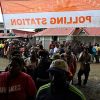
Solomon Islands: A Change More in Style than Substance
There’s change at the top in Solomon Islands – but civil society will be watching closely to see whether that means a government that’s grown hostile will start doing things differently.
The US a Direct Partner in the Israeli War
A major mistake we often commit in our analysis of the US political discourse on the Gaza war is that we assume that the US and Israel behave as if they are two political entities with separate agendas and sets of priorities.
US Senators Threaten Criminal Court & Advise Israel to Nuke Gaza
As the ancient Greek saying goes: those whom the Gods wish to destroy, they first drive them mad. Perhaps destruction is too far-fetched here, but madness is closer home—in Washington DC With the 7-month-old Israeli-Gaza conflict showing no positive signs of a permanent solution, there is a lingering sense of growing political craziness in Capitol Hill, the seat of the US government, once described as Israeli-occupied territory.
From Dorms to Demonstrations
The campus protests that have spread to universities in every part of the United States are not about the war between Israel and Hamas, despite the heated rhetoric around this topic. Most of the students who are protesting know little about the conflict, its history and its ramifications for international politics.
Chronicle of a Catastrophe Foretold
The IMF warns of a decade ahead of ‘tepid growth’ and ‘popular discontent’, with the poorest economies worst off. But as with inaction on Gaza, little is being done multilaterally to avert the imminent catastrophe.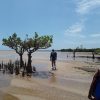
Ocean Action on Global Agenda as Negotiations to Save Biodiversity Deepen
The oceans are as fascinating as they are mysterious. Home to the largest animals to ever live on Earth and billions of the tiniest, the top 100 meters of the open oceans host the majority of sea life, such as fish, turtles, and marine mammals. But there is another world far below the surface. In the belly of the ocean, there are seamounts—underwater mountains that rise 1,000 meters or more from the seafloor.
Educating the Mind Without Educating the Heart is No Education at All
The words above, by the ancient Greek philosopher Aristotle, serve as a reminder that we still have a long way to go to in educating ourselves. In doing so, we will naturally ensure that the young generation can access an inclusive quality education and use their knowledge to build a world of justice, equity, peace and security.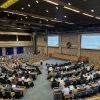
SBSTTA and SBI—Biodiversity Meetings Crucial for the Global South Begin
The 26th meeting of the Subsidiary Body of Scientific, Technical, and Technological Advisors (SBSTTA) of the United Nations Convention on Biological Diversity (UNCBD) started in Nairobi, Kenya, on Monday. Over 1,400 delegates, including 600 representing signatories or parties from over 150 countries, are present for the seven-day meeting at the headquarters of the United Nations Environment Programme (UNEP). A large number of members from Indigenous Peoples and other observer organizations, including women’s groups, are also attending the meetings.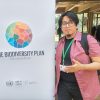
Biodiversity Masterplan: Negotiations on Crucial Science, Technology for Implementation Underway
The triple planetary crises of climate change, biodiversity loss, pollution, and waste are escalating. At the current pace, the world is on track to lose one quarter of all plant and animal species by 2030, with one species already dying out every 10 minutes. One million species face extinction. Human activity has already altered three-quarters of the land on Earth and two-thirds of the ocean.
The World Must Not Abandon the Mothers of Gaza
As millions of children and families celebrate their mothers, my thoughts turn to the pregnant women and new mothers our teams at UNFPA, the United Nations sexual and reproductive health agency, support in more than 130 countries around the world. And I hold in my heart all those who, tragically, will never live to see their newborns.
Choose Hope: Standing at the Crossroads of the Future
We are at the tipping point in human history, facing major existential crises. The conflict between Russia and Ukraine has heightened the risk of a nuclear weapon being used since the Cold War. Furthermore, the climate crisis is accelerating. In these crises, the most affected are those in vulnerable situations.
Amid Record Displaced Persons, Migrant Remittances Spike—New IOM Report
While there have been a record number of displaced people worldwide, according to a new report by the International Organization for Migration (IOM), migrant remittances are promoting human development.
How do Taxes Drive the Sustainable Development Goals?
Tax revenue remains the most sustainable source of income for governments and plays a crucial role in financing the Sustainable Development Goals (SDGs). It diminishes the need for international assistance and contributes to the repayment of burdensome debt, ultimately strengthening a country’s ability to withstand external shocks.
A Russian Veto Threatens to Trigger a Nuclear Arms Race in Outer Space
When the 15-member UN Security Council failed last month to adopt its first-ever resolution on outer space—co-sponsored by the US and Japan—the Russian veto led to speculation whether this was a precursor for a future nuclear arms race in the skies above. The vetoed resolution was expected to “affirm the obligation of all States parties to fully comply with the 1967 Outer Space Treaty, including not to place in orbit around the Earth any objects carrying nuclear weapons or any other kinds of weapons of mass destruction, install such weapons on celestial bodies or station such weapons in outer space in any other manner.”« Previous Page — Next Page »


The Week with IPS

NEXT STOP - SDGs
Tracking global progress towards a sustainable world
Tracking global progress towards a sustainable world
