Languages
Wednesday, September 16, 2026



News and Views from the Global South
Health

Climate Change is Deepening Child Poverty in Latin America and Caribbean
2025 has been marked by a significant escalation of the climate crisis and its effects on vulnerable populations, as the World Meteorological Organization (WMO) warn that average global temperatures could exceed the 1.5°C threshold within the next five years. In Latin America and the Caribbean, rising temperatures and emissions continue to strain access to essential services and deepen poverty, particularly among children.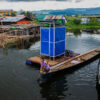
One in Four People Lack Access to Clean Drinking Water: UNICEF, WHO Warn of Deepening Disparities
Over the past decade, major strides have been made in expanding global access to water, sanitation, and hygiene (WASH) services, with billions of people around the world seeing improvements in overall health and well-being. Despite these gains, people largely from low-income countries and marginalized groups still lack access to clean water, leaving them vulnerable to disease and hindering social development and inclusion.
Youth Lead Global Call to Support Hibakusha on UN Day Against Nuclear Test
Marking the United Nations’ International Day Against Nuclear Tests, young activists and experts gathered at the UN University in Tokyo for an event titled “The Role of Youth in Supporting Global Hibakusha.” The forum underscored how youth solidarity can amplify the voices of survivors of nuclear testing and bombings, known collectively as the “Global Hibakusha” — communities scarred by the use, production, and testing of nuclear weapons, from Hiroshima to the Marshall Islands — and strengthen global momentum toward nuclear abolition.
The Right to Care: A Feminist Legal Victory That Could Change the Americas
On 7 August, the Inter-American Court of Human Rights delivered a groundbreaking decision that could transform women’s lives across the Americas. For the first time in international law, an international tribunal recognised care as an autonomous human right. Advisory Opinion 31/25, issued in response to a request from Argentina, elevates care – long invisible and relegated to the private sphere – to the level of a universal enforceable entitlement.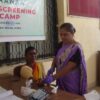
Hypertension and Diabetes Grows Among India’s Poor Communities
Generally thought to be diseases of the wealthier classes, non-communicable diseases (NCDs) like hypertension and diabetes are on the rise among India’s underprivileged working classes in semi-urban and rural sprawls.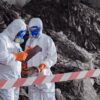
The Asbestos Crisis Isn’t Over — Reversing the Ban Would Make It Worse
For more than a century, asbestos was an indispensable fixture in the American industry, particularly the military. This versatile natural mineral was widely utilized to line Navy ships and strengthen their installations. What many were unaware of was that once damaged, asbestos-containing materials (ACMs) can release toxic fibers that could lodge in tissues covering internal organs of those exposed, where they build up over time.
Aid Funding Crisis Means Parliamentarians’ Visionary Leadership Even More Crucial
As funding for sexual and reproductive health rights was on a “cliff edge,” parliamentarians now needed to play a “visionary” leadership role because “financing strong, resilient health systems for all their people rests with governments,” said Dr. Alvaro Bermejo, Director General of the International Planned Parenthood Federation (IPPF).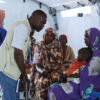
UNICEF to Deliver 1.4 million Cholera Vaccines to Sudan Amid Supply Chain Breakdowns
In Tawila, North Darfur State in Sudan, more than 1,180 cholera cases, including 300 cases in children, and at least 20 deaths have been reported since the first case was detected on June 21. Tawila has absorbed 500,000 internally displaced people who are escaping violence, many of them fleeing about seventy kilometers from the state capital of Al Fasher, making this rapid surge in cases a major health concern amidst worsening hygiene, medical, and food supply chain deteriorations.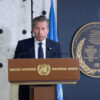
2025 Is On Track To Mark The Deadliest Year for Humanitarian Aid Workers
World Humanitarian Day (August 19) honors humanitarian aid workers, raises public awareness for humanitarian crises, and advocate for strengthened international cooperation. Through this year’s theme, A Call to #ActForHumanity, the United Nations underscored the need for increased funding for lifesaving humanitarian missions, stronger protections for aid personnel, and accountability for violations of international law.
Education Cannot Wait Interviews Dr. Faiza Hassan, Director of the Inter-Agency Network for Education in Emergencies
Dr. Faiza Hassan is the Director of the Inter-Agency Network for Education in Emergencies (INEE). A chemical engineer who transitioned into education leadership, Dr. Hassan brings close to 20 years of diverse experience in education, social policy reform and humanitarian response. She has a proven track record in strategic management, technical leadership and driving impactful, large-scale complex programmes.
Climate Change Breaking the Journalists Who Tell its Story
My family lost six herds of cattle during the devastating El Niño-driven drought that swept Zimbabwe in 2024. The loss was as emotional as it was financial. Guilt gnawed at me.
In Gaza, “the Most Ordinary Things Can Kill”
It’s 8am when Nasser Hospital in Gaza opens its doors. Aitor Zabalgogeazkoa, Doctors Without Borders’ emergency coordinator in the besieged territory, has already been at work for more than three hours.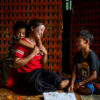
UN Report Uncovers “Systematic Torture” in Myanmar
Myanmar’s security situation has deteriorated significantly, with the nation still reeling from the devastating earthquake in March last year, and continued military offensives driven by the ongoing civil war. In 2025, the humanitarian crisis reached a critical turning point, with the United Nations (UN) underscoring a litany of severe human rights abuses inflicted on civilians by the military and armed groups.
Green Jobs on the Rise in the Arab Region
In the Arab region, a thought-to-be oil oasis, green jobs constitute 29 percent of energy sector roles, and 23 percent of the oil and gas sector. These numbers signify a push towards sustainable business and practices, with the Arab region striving to get away from oil, in their advancement towards the completion of the SDGs on time for 2030.
Sexual Health Rights: Contradictions in East African Laws, Policies
Sarah Namukisa nearly missed her final year exams earlier this year. She was subjected to a mandatory pregnancy test—the 25-year-old student at the Medical Laboratory Training School in Jinja was then expelled because she was pregnant.
The Hidden Backbone of Maternal Health: Asia’s Midwifery Gap
Asia-Pacific’s midwives are a healthcare lifeline capable of delivering nearly 90 percent of essential maternal and newborn services. Yet the region grapples with severe shortages, underinvestment, and systemic neglect.
‘Life in Gaza’s Shelters Is Marked by Deprivation – but Also by the Endurance of Human Dignity’
CIVICUS speaks with a West Bank-based Palestinian activist about her family members currently enduring the war in Gaza. She has asked to remain anonymous for security reasons.
Four Years Later, Still No Clarity: WHO Report Highlights Gaps in Global Cooperation
More than four years since Covid-19 upended the world, the question of how it began remains unanswered. Did SARS-CoV-2 originate from animals to humans naturally, or did it accidentally escape from a laboratory? The World Health Organization’s latest report offers little new clarity and raises serious concerns about international cooperation and scientific transparency.
From the Margins to the Courts: St Lucia Joins Caribbean Fight to Dismantle Anti-LGBTQI+ Colonial Laws
When Kenita Placide co-founded United and Strong, St Lucia’s first LGBTQI+ organisation in 2001, death threats were routine. Over the years, several friends were murdered for being gay. But 24 years on, Kenita’s Caribbean island nation has become the latest to overturn a colonial legacy that criminalised LGBTQI+ people.
Four Ways Asia Can Strengthen Regional Health Security Before the Next Pandemic
In an interconnected world when infections can circle the globe in hours, cooperation in preparing for pandemics is essential. The COVID-19 pandemic highlighted just how vulnerable countries are when surveillance is fragmented, laboratory networks are underfunded and underequipped, and vaccines are not dispersed equitably.
Women in Sudan are Starving Faster than Men; Female-Headed Households Suffer
The food crisis in Sudan is starving more day by day, yet it is affecting women and girls at double the rate compared to men in the same areas. New findings from UN-Women reveal that female-headed households (FHHs) are three times more likely to be food insecure than ones led by men.« Previous Page — Next Page »


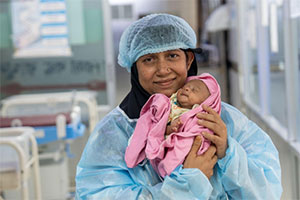 Bangladesh: Sarid, born one month early, receives specialized newborn care and grows stronger every day. Credit: UNICEF/UNI944397/Mojumder
Since the onset of the 2000s, global life expectancy has seen an overall rise, attributed to significant technological and scientific innovations in healthcare. Due to an increased understanding of different conditions as well as a rise in cooperation among healthcare experts around the world, there have been major strides made in ensuring that as few people die from chronic illnesses as possible. Despite the belief that healthcare is a fundamental human right, people from low- or middle-class backgrounds, marginalized groups, and underdeveloped countries have far more limited access to basic healthcare services.
The COVID-19 pandemic showed how marginalized communities are disproportionately affected by health crises, proving that we have much work to do in ensuring that no one dies of terminal conditions. While the global response to the coronavirus saw significant strides in immunization and vaccine development, the global outbreak of mpox in 2022 and its upsurge in parts of Africa in 2024 must remind us to remain vigilant.
Other major disease outbreaks in recent years have been linked to the destruction of infrastructure during warfare. Notably, in 2024, the Gaza Strip witnessed a return of the poliovirus since its eradication in the region 25 years ago. Israel’s blockade on Gaza has resulted in the collapse of the region’s sewage plants and desalination plants, and also destroyed healthcare capacities. The UN stated that this lack of clean water and sanitation would lead to an outbreak of cholera and other deadly infectious diseases. The 2026 OCHA Humanitarian Situation Report confirmed that the over two years of conflict in Gaza has produced a catastrophic health emergency, with millions remaining dependent on relief aid amid tight restrictions and no functioning public health system.
IPS is committed to providing full and comprehensive coverage on healthcare challenges around the world. IPS seeks to address the multifaceted causes of such challenges, including unprecedented pandemics, conflict-driven disease outbreaks, as well as socioeconomic barriers to equal healthcare access. IPS is also dedicated to reporting on innovations in the healthcare industry.

The Week with IPS

NEXT STOP - SDGs
Tracking global progress towards a sustainable world
Tracking global progress towards a sustainable world
