Languages
Tuesday, November 17, 2026



News and Views from the Global South
Health

VE Day Marks the End of the Second World War-But the World is Still at War
The world commemorated the 75th Anniversary to mark the end of the 2nd World War also called VE Day on 08 May 2020. With her nation, and much of the world still in lockdown due to COVID 19, England’s Queen marked 75 years since the allied victory in Europe with a poignant televised address. From Windsor Castle, Queen Elizabeth said, “the wartime generation knew that the best way to honour those who did not come back from the war, was to ensure that it didn’t happen again”.
Women Taking Charge during COVID-19
As the COVID-19 mayhem carries on in most countries, the role of mothers, daughters, and female caregivers have been affected the most. Besides looking after the household and home schooling children, they are also working on the front lines, actively or passively caring for their respective communities.
The Role of Civil Society in Times of Crisis
The ongoing COVID-19 pandemic has shown us something that most of us haven’t seen in our lifetimes: Large numbers of people unable to have two meals a day.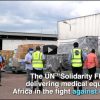
Religion & its Discontents: Considerations Around COVID-19 & Africa
COVID-19 has spread to many nations around the world, and has been declared a pandemic by the World Health Organization. In the global south, the COVID-19 pandemic has stretched the available medical and health resources, triggered economic shocks, and caused social upheavals and insecurity in many countries and localities.
Black Americans are Bearing the Brunt of Coronavirus Recession – This Should Come as no Surprise
As the COVID-19 pandemic worsened in April, many Americans were shocked by the extent that black Americans were being disproportionately impacted: higher infection rates, more deaths and greater job loss. But many black Americans were not surprised.
COVID-19 & Human Health Risks Linked to Wildlife Trade Practices
At the time of writing, the COVID-19 pandemic is raging worldwide, causing human mortality and socio-economic disruption on a massive scale and it appears highly likely that profound impacts will continue for many years to come.Time for the World Bank and IMF to Be the Solution, Not the Problem
The World Bank and the International Monetary Fund (IMF) have a historic opportunity to help stabilize a world reeling from COVID-19. Doing so will require the institutions to change course and aggressively support poor countries’ ability to invest broadly in the government services their populations need.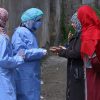
World’s Poor Hit by Double Jeopardy: a Deadly Virus & a Devastating Debt Burden
The world’s poorer nations, reeling under an unrelenting attack on their fragile economies by the COVID-19 pandemic, have suffered an equally deadly body blow: being buried under heavy debt burdens.
The Power of Education in Emergencies: Interview with Denmark’s Minister of Development Cooperation Rasmus Prehn
Denmark is Education Cannot Wait’s (ECW) third largest donor, with US$79.1 million in contributions to date. In this insightful interview with Denmark’s Minister for Development Cooperation, Rasmus Prehn, we explore the importance of girls’ education and gender equality, the humanitarian-development nexus, expanded engagement with the private sector, education in emergency response to the COVID-19 pandemic and more. A former high school teacher, with a master’s degree in social science, Minister Prehn has been a member of Danish Parliament since 2005, and was named Minister for Development Cooperation on June 27, 2019. Minister Prehn is the former chairman of the Danish Research, Education and Further Education Committee, a tireless advocate for education in emergencies, and a true champion for achievement of the Sustainable Development Goals, especially SDG4: inclusive and equitable, quality education for all.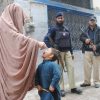
Polio, Measles Outbreaks ‘Inevitable’, Say Vaccine Experts
Interruptions to vaccination programmes caused by the COVID-19 pandemic could result in new waves of measles or polio outbreaks, health experts warn.
COVID-19: Developing Countries Must Not be Left Behind
Globalization has been a driver for increased prosperity world-wide, but it has been in reverse in the last years due to the growth of populism in the USA and Europe. The COVID-19 pandemic may well provide further momentum to increasingly national-interest oriented policies in the west.
Global Impact of New Corona Virus and Population Issues
The new coronavirus (COVID-19) continues to wreak havoc across the world, as the number of infections and deaths rapidly rise. It has the potential to infect anybody regardless of age or gender. There are grave concerns that the economic fallout from COVID-19 may be comparable to that of the Great Depression. According to Johns Hopkins Coronavirus Resource Center, there are 2,064,668 confirmed cases of COVID-19 and 137,124 deaths due to SARS-CoV-2 (the virus causing COVID-19). In Japan as of noon April 15, there were 8,100 cases of COVID-19 , 119 deaths, and 901 patients discharged from hospitals.
Financial Scams Rise as Coronavirus Hits Developing Countries
In the Philippines, Peru, India, Kenya, South Africa and many other developing countries, poor people who are already struggling with the health impact of the coronavirus pandemic have been targeted by online fraudsters trying to take unfair advantage of them.
Argentina Responds Boldly to Coronavirus Crisis
Like much of the West, Argentina did not take many early precautionary actions after the Covid-19 epidemic was confirmed in January, but became the first Latin American country to act decisively with a 12 March public health emergency declaration. The presidential decree came a day after the World Health Organization (WHO) declared a global pandemic, just over a week after the first case was detected in the republic on 3 March.
The Unseen Link Between Clean Cooking and the COVID-19 Pandemic
The COVID-19 pandemic has exacerbated inequalities and revealed to what extent current economic models are not sustainable. It has also shown that most countries are not equipped to cope with a health crisis.
New Normal? Better Normal!
In these times of Covid-19, the big challenge for most of us is how to protect ourselves and our families from the virus and how to hold on to our jobs. For policymakers, that translates into beating the pandemic without doing irreversible damage to the economy in the process.
COVID-19 Deaths Before A Vaccine?
How many COVID-19 deaths will occur before a vaccine becomes available worldwide? As with many seemingly simple questions about an uncertain future, the proper answer to that important query is: “it depends”.
Impact of COVID-19 on Tourism in Small Island Developing States
The COVID-19 pandemic and the measures put in place to contain its diffusion are taking a heavy toll on the tourism sector. According to the United Nations World Tourism Organization (UNWTO), the COVID-19 pandemic will result in a contraction of the tourism sector by 20% to 30% in 2020.
Journalism is Not a Crime…and Fake News on Social Media is Not Journalism
This year’s World Press Freedom Day on 3 May falls during COVID-19 lockdowns in many of our countries. Restriction on movement means journalists all over the world are facing obstacles in getting interviews and data, and verifying stories before publishing.
Protect Journalists’ Rights so We can Stop the COVID-19 Disinfodemic
Andrew Sam Raja Pandian, a digital journalist and founder of a news portal in the southern state of Tamil Nadu, was arrested for running two news articles related to COVID-19.
Across the World, Construction Workers are Caught Between Coronavirus Risk and Joblessness
A daily commute of two-and-a-half hours each way would take a toll on anyone, but for Özkan, a construction worker in Istanbul, the hardest part of his long journey is coping with his fears about what might happen after he gets home.« Previous Page — Next Page »


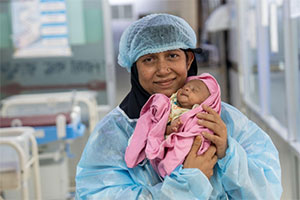 Bangladesh: Sarid, born one month early, receives specialized newborn care and grows stronger every day. Credit: UNICEF/UNI944397/Mojumder
Since the onset of the 2000s, global life expectancy has seen an overall rise, attributed to significant technological and scientific innovations in healthcare. Due to an increased understanding of different conditions as well as a rise in cooperation among healthcare experts around the world, there have been major strides made in ensuring that as few people die from chronic illnesses as possible. Despite the belief that healthcare is a fundamental human right, people from low- or middle-class backgrounds, marginalized groups, and underdeveloped countries have far more limited access to basic healthcare services.
The COVID-19 pandemic showed how marginalized communities are disproportionately affected by health crises, proving that we have much work to do in ensuring that no one dies of terminal conditions. While the global response to the coronavirus saw significant strides in immunization and vaccine development, the global outbreak of mpox in 2022 and its upsurge in parts of Africa in 2024 must remind us to remain vigilant.
Other major disease outbreaks in recent years have been linked to the destruction of infrastructure during warfare. Notably, in 2024, the Gaza Strip witnessed a return of the poliovirus since its eradication in the region 25 years ago. Israel’s blockade on Gaza has resulted in the collapse of the region’s sewage plants and desalination plants, and also destroyed healthcare capacities. The UN stated that this lack of clean water and sanitation would lead to an outbreak of cholera and other deadly infectious diseases. The 2026 OCHA Humanitarian Situation Report confirmed that the over two years of conflict in Gaza has produced a catastrophic health emergency, with millions remaining dependent on relief aid amid tight restrictions and no functioning public health system.
IPS is committed to providing full and comprehensive coverage on healthcare challenges around the world. IPS seeks to address the multifaceted causes of such challenges, including unprecedented pandemics, conflict-driven disease outbreaks, as well as socioeconomic barriers to equal healthcare access. IPS is also dedicated to reporting on innovations in the healthcare industry.

The Week with IPS

NEXT STOP - SDGs
Tracking global progress towards a sustainable world
Tracking global progress towards a sustainable world
