Languages
Sunday, October 11, 2026



News and Views from the Global South
Press Freedom
VENEZUELA: Journalists Face Escalation of Violence
With chilling calm, the killer dismounted from the motorbike, pulled out his gun and shot Ores Sambrano through the head as if it were the most natural thing in the world. The journalist was on his way to a video store on a busy avenue in Valencia, an industrial town 100 kilometres west of the Venezuelan capital.RIGHTS: Senegal Media Gets a Taste of Taser
A French weapons firm has acknowledged for the first time that it has sold stun-guns to Senegal, where they have been reportedly used against journalists covering football matches and political protests.POLITICS: Israeli Attacks on Gaza Escape Global Media Scrutiny
Israel's relentless air attacks on a besieged Gaza, which have killed over 1,000 Palestinians and destroyed hundreds of homes, continue to take place away from the gaze of the international news media.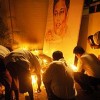
SRI LANKA: Journos Vow to Carry on Slain Editor's Legacy
Every Tuesday the editors of ‘The Sunday Leader’, the investigative Colombo-based newspaper, go through a ritual. Throughout the morning editorial staff amble in and out, tension levels rising as deadlines near.RIGHTS-SRI LANKA: ‘Culture of Violence Getting Ingrained in Society’
One of the worst legacies of the decades-old civil war in this island country is the culture of violence and impunity that many fear has become ingrained in Sri Lankan society - once known for ‘serendipity' and respect for Buddhist virtues.MEDIA: Power of the Press Can Spark War – and Peace
In 2003, two journalists from Radio-Télévision Libre des Milles Collines were convicted of war crimes in the Rwanda genocide - illustrating the dangerous role media can play by relaying hate speech or rumours during times of violent conflict.SRI LANKA: Outrage, Helplessness at Editor’s Murder
A controversial but powerful newspaper editor was assassinated Thursday even before outrage and dismay had died down over the ransacking of the premises of a popular radio and TV broadcaster by masked, armed men.SRI LANKA: ‘Attacks on Media Will Continue’
It was typical of what Sri Lankan media has been facing over the years: a pre-dawn raid on a media house, employees beaten up and costly equipment destroyed. Maharaja TV, the latest victim, was also promised the routine, impartial inquiry by the government.RIGHTS-NEPAL: Maoists Attack Journos, Threaten Media Freedom
When Kunda Dixit, editor of the ‘Nepali Times’ and 12 other staff members of the Himalmedia publishing house were attacked and injured by supporters of Communist Party of Nepal-Maoist (CPN-M), a week ago, it was a sign that Nepal’s ruling party intends to influence the media through intimidation.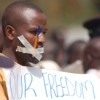
KENYA: Press Freedom: Going, Going, Gone
Dark clouds are forming against freedom of expression in Kenya, following the recent passing of a controversial Bill by parliament. The Kenya Communications (Amendment) Bill, awaiting presidential assent to become law, gives the state powers to invade media houses, seize broadcast equipment, control broadcast content, even taking a station off air.MEDIA-VIETNAM: Blogging Boom Faces Gov't Blockages
As Internet usage grows in communist Vietnam, fostering a vibrant community of bloggers, the government is looking at ways to regulate blogs, particularly those that tend to be political rather than personal.MEDIA: Deaths Down, But Iraq Still Top Danger Zone
The improved security in Iraq has had benefits for everyone there. This has included fewer Iraqi civilian deaths, U.S. casualties, and, says a new report, journalists.MEDIA-PHILIPPINES: Journo Killings Threaten Press Freedom
Three years after Marlene Esperat was shot dead in her living room, she continues to symbolise the plight of journalists in the Philippines who are increasingly being victimised or murdered in a country which prides itself on having a free press.RIGHTS: Less Freedom in Older Democracies
The older the democracy, the less there seems to be now of freedom of expression and right to information, according to a new study by the London-based group Article 19.
Q&A: “Prison Made Me Even More Determined”
Abdolfattah Soltani has received the Nuremberg annual human rights award in appreciation of more than a decade defending individuals who have been prosecuted for their political and religious beliefs.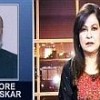
MEDIA-INDIA/PAKISTAN: Post-Mumbai Journos Struggle Against Hostilities
Pakistani and Indian journalists and columnists, who forged personal relationships over the past two decades during countless joint media consultations and seminars, are struggling to overcome hostilities between their countries since the Mumbai carnage.CULTURE-CUBA: Rock n’ Roll Fanzine Fights Prejudice
For eight years, Michel and Alexander Sánchez have been publishing Scriptorium, a fanzine (fan magazine) dedicated to rock music produced within Cuba and abroad, in a society that resists accepting this genre and its fans as part of the national culture.INDIA/PAKISTAN: Hoax Call Hyped by Media – Get Hostilities to Brink
A hoax phone call from India to Pakistan’s President threatening military reprisals in the aftermath of the terrorist attack on Mumbai city, hyped up by media, brought the nuclear-armed neighbours close to conflict.SRI LANKA: Radio Play Poses New Questions About Journalist's Murder
A BBC documentary on Sri Lankan journalist and actor Richard de Zoysa poses fresh questions about his brutal murder, 19 years ago, by highlighting little-known facts about his links to a revolutionary group involved in two bloody insurgencies, but is now the country's third largest political force.
LATIN AMERICA: Indigenous Reporting – Between Activism and Professionalism
Indigenous journalism would seem to be in a stage similar to what environmentalism experienced a few decades ago: born of necessity and protest, it is caught in a constant state of tension between activism and professionalism.MEDIA-PAKISTAN: Reporting From Tribal Areas Highly Risky
Reporting from Peshawar - hub of Pakistan’s tribal areas, currently the focus of a pincer movement between the Pakistan army and the United States-led forces in neighbouring Afghanistan - has become a highly risky affair.« Previous Page — Next Page »





Journalism is dangerous work. Dozens of reporters and other media workers are killed in the line of duty each year. Hundreds more face threats, intimidation, and harassment as they risk their lives to let us know what is going on in war zones and as they root out corruption. In the Information Age, the Internet provides us with new ways to disseminate the news even as it poses new threats to press freedoms.


IPS Director General Farhana Haque Rahman was invited by UNESCO as a panelist at the World Press Freedom Day 2017 gathering in Jakarta, in the Plenary Session: Quality journalism: a public good for just, peaceful and inclusive societies.

The Week with IPS

NEXT STOP - SDGs
Tracking global progress towards a sustainable world
Tracking global progress towards a sustainable world
