Languages
Wednesday, August 19, 2026



News and Views from the Global South

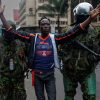
Kenya’s Shadow War on Activism
Kenya’s young protesters are paying a high price for speaking out. Last June, a protest movement led by first-time activists from Generation Z emerged in response to the government’s Finance Bill, which would have introduced sweeping tax increases. The government quickly withdrew its plans, but protests continued, articulating anger at economic strife, elite corruption and out-of-touch politicians. The government’s response has been violent. Police have used batons, teargas and water cannon against protesters. On the worst day of violence, 25 June, when some protesters attempted to storm parliament, police fired live ammunition. Over 60 people were reported killed during the protests. At least 1,200 were reportedly arrested.
Rising Opposition Movement Looks to Political Renewal, Stemming Erosion of Democracy in Hungary
The Central European nation of Hungary is officially a democracy. But civil society, the media and democratic norms have increasingly come under threat as the Fidesz-KDNP coalition government, led by Prime Minister Viktor Orbán, has entrenched autocratic rule over the past 14 years. Now a new wave of energy and popularity is driving the younger opposition movement into the spotlight ahead of next year’s parliamentary election.
The “Fierce Urgency of Now”– to Reverse Course in Haiti
As we commemorated Dr. Martin Luther King Jr.’s Day on January 20, 2025—a day that also marked America welcoming its newly elected president—we honor the legacy of this civil rights leader by reflecting on his powerful words: “We are confronted with the fierce urgency of now.”
‘The Closure of Meta’s US Fact-Checking Programme Is a Major Setback in the Fight Against Disinformation’
CIVICUS speaks with Olivia Sohr about the challenges of disinformation and the consequences of the closure of Meta’s fact-checking programme in the USA. Olivia is the Director of Impact and New Initiatives at Chequeado, an Argentine civil society organisation working since 2010 to improve the quality of public debate through fact-checking, combating disinformation, promoting access to information and open data.
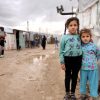
Report Exposes Silent Global Emergency as More Crises-Affected Children Need Urgent Education Support
A report released today on the International Day of Education sounds alarm as the number of school-aged children in crisis worldwide requiring urgent support to access quality education reaches a staggering 234 million—an estimated increase of 35 million over the past three years fueled by intensifying armed conflict, forced displacements, more frequent and severe weather and climatic events, and other crises.
How Artificial Intelligence Will Affect Asia’s Economies
Asia-Pacific’s economies are likely to experience labor market shifts because of artificial intelligence (AI), with advanced economies being affected more. About half of all jobs in the region’s advanced economies are exposed to AI, compared to only about a quarter in emerging market and developing economies.
Should King Baudouin, DRC’s Last Sovereign, Be Beatified?
During his visit to the Kingdom of Belgium in September 2024, Pope Francis was full of praise for King Baudouin, who ruled Belgium for more than 40 years. The pontiff announced the start of the beatification process for the man who, on the Belgian side, ratified the Congo's act of independence on June 30, 1960.
A New Chance to Expand Children’s Access to Education
The International Day of Education, January 24, reminds us of the power of education to transform children’s lives, and to build vibrant, sustainable societies.
Living Conditions in Syria Deteriorate During Transitional Period
Thirteen years of extended conflict, economic downturns, and multiple earthquakes, has left Syria in the midst of a severe humanitarian crisis. Hostilities remain abundant across all of Syria’s governorates, with each facing widespread civilian displacements and damage to critical infrastructures. Following the change of government in December of 2024, Syrian refugees have begun returning from neighbouring countries. However, this return has been marred with insecurity due to the sheer scale of unexploded ordnance, which has resulted in numerous civilian casualties.
Could Trump Really Blow up the Global Trade System?
Trump’s trade policy blends aggressive tariffs, legal manoeuvring and transactional diplomacy. But could he really blow up the global trade system?
A Dream Deferred: Why Is Traveling Across Africa So Hard for Africans?
Aliko Dangote, Africa’s richest man, carries his frustration as visibly as he carries his passport. To travel across the continent he calls home, he needs 35 visas—each a bureaucratic hurdle and a reminder of the barriers to free movement and trade in Africa.
Fallen Black South African Soldiers From World War I Finally Remembered
It was a solemn ceremony on a bright sunny day on the southern tip of Africa, in Cape Town’s company gardens, amid the grass wooden structures that stand out. The 1,700 carefully constructed brown wooden carvings are standing in a line. These structures represent a new Commonwealth War Graves Commission (CWGC) memorial, which honors the contribution of the hundreds of Black South African military laborers of the First World War. The CWGC remembers the fallen soldiers of both World Wars equally with this first permanent redress tribute.
Let the Kite Fly High
The global plastics negotiation process, launched in 2022 under a resolution by the UN Environment Assembly, represents an unprecedented effort to combat the escalating plastic pollution crisis.
Taliban’s Decrees Worsen Crisis for Afghan Women, Banning All NGO Work
Afghan women are enduring perhaps their most challenging time. Since the Taliban regained power four years ago, restrictions on women and girls have escalated, beginning with bans on education and paid employment.
The First Phase of Israel-Palestine Ceasefire Begins
On January 15, 2025, the long-awaited ceasefire proposal between Israel and Hamas was approved, bringing the first bout of relief for the people of the Gaza Strip after 15 months of conflict. This has allowed for the exchange of prisoners and hostages between the two nations as well as a greater flow of humanitarian aid to be directed to Gaza. Although this only accounts for the first phase out of the three phase plan, it is uncertain if Israel will continue to uphold the negotiations of a truce after the first phase is completed.
Rethinking Africa’s Debt: Debunking Myths and Identifying Sustainable Solutions
To achieve the Sustainable Development Goals (SDGs) and Agenda 2063 aspirations, Africa requires an additional $1.3 - 1.6 trillion in financing.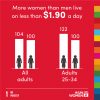
A World Where Rich Get Richer, Poor Get Poorer — and Billionaires Rise
Perhaps one of the UN's most ambitious and longstanding projects – the launching of 17 Sustainable Development Goals (SDGs)-- is aimed, among other things, at helping developing nations eradicate extreme poverty by 2030. But that elusive goal has made little or no significant progress.
Food Systems Worsen Diets, Health
Corporate-dominated food systems are responsible for widespread but still spreading malnutrition and ill health. Poor diets worsen non-communicable diseases (NCDs), now costing over eight trillion dollars yearly!
Martin Luther King Jr’s Legacy on Health Equity Through the Eyes of a Black African Doctor
Every year, January 20 is celebrated as Martin Luther King Jr. Day. He was a leader in the Civil Rights Movement who fought for equality and justice, especially for Black people, through peaceful protests and powerful speeches. The day is observed annually on the third Monday of January, close to his birthday on January 15. It is a time to remember his work, reflect on his message of fairness and nonviolence, and engage in acts of service to help others in our communities.
Still Hopes for a Future Plastic Treaty– But it Won’t be Easy
The last few weeks of 2024 were a disappointment for those who strongly believed that planet Earth is in need of bold actions. First, there were the frustration stemming from what could be defined at minimum as unconvincing outcomes of both COP 16 on Biodiversity and COP 29 on Climate.
Pemba’s Woman Salt Farmers Forge Livelihoods Amid Climate Woes
As the cool morning breeze sweeps across the Indian Ocean beach in Tanzania’s Pemba archipelago, Salma Mahmoud Ali begins her day. With her brightly coloured Kikoi cinched tightly around her waist and a dark blue scarf framing her face, she walks barefoot toward her salt ponds. The humid air hangs, but Ali wades through ankle-deep water with courage.« Previous Page — Next Page »


Want to keep up with the latest news and views from the Global South? Sign up for IPS Daily News Report for daily emails with our top stories about international development, climate change, gender and more. (Formerly IPS TerraViva since 1993).

The Week with IPS

NEXT STOP - SDGs
Tracking global progress towards a sustainable world
Tracking global progress towards a sustainable world
