
Saturday, November 14, 2026



News and Views from the Global South
IPS UN: Inside the Glasshouse

The World is Losing the Battle Against Child Labour
The IV Global Conference on the Sustained Eradication of Child Labour, which drew nearly 2000 delegates from 190 countries to the Argentine capital, left many declarations of good intentions but nothing to celebrate.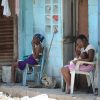
Financing Will Continue to be Key Issue in Battling Climate Change
“The Bonn climate talks were foundational, paving the way to finalize the rules that underpin the Paris Agreement next year and setting the stage for countries to commit to enhance their national climate plans by 2020. On both counts, the climate talks in Bonn were a success. However, negotiators have plenty of homework to do to get there.
Climate Change: The World’s Poorest Will Judge us by Action
Two years ago, 197 parties came together in Paris and agreed to the historical Paris Framework. Since that December 2015, we all have seen countless pictures of utterly devastating floods, wildfires, hurricanes happening more and more frequently all over our planet mainly affecting the poorest among us.
Coal Pollution Continues to Spread in Latin America
Despite growing global pressure to reduce the use of coal to generate electricity, several countries in Latin America and the Caribbean still have projects underway for expanding this polluting energy source.
Climate Change is Already Upon us & Will Only Worsen in Short Term
It is fitting that this year’s conference of parties (on climate change, COP 23) is led by Fiji, a nation on the frontlines. Last month I visited other small islands facing the impacts of a warming world: Antigua and Barbuda and Dominica. The hurricane damage was beyond belief. The catastrophic effects of climate change are upon us. Floods, fires, extreme storms and drought are growing in intensity and frequency.
Vanuatu: Community Farms Helping Small Islands Adapt to Climate Change
Here in Vanuatu, the ocean has been getting warmer and more acidic. Scientists are predicting that cyclone patterns will change, we’ll see heavier rainfalls, a wetter wet season and a drier dry season. We’re already seeing the sea rising six millimeters per year in the capital, Port Vila; higher than the global average.
On Gender Day at Climate Meet, Some Progress, Many Hurdles
“Five years ago, when we first started talking about including gender in the negotiations, the parties asked us, ‘Why gender?’ Today, they are asking, ‘How do we include gender?’ That’s the progress we have seen since Doha,” said Kalyani Raj.
How to Ensure Farming is More Than Just a Footnote in Climate Talks
If change comes from within, then climate action in agriculture must logically start with farmers. They need to find ways to adapt to and mitigate climate change. But when that involves 800 million of the world’s poorest people, they are going to require systematic and dedicated support.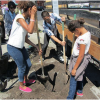
How US Is Taking Climate Action Without Trump
Even after President Trump announced his intention to pull the United States out of the Paris Agreement, much of the country is moving forward with climate action anyway. According to new analysis, more than 2,500 non-federal actors representing more than half the U.S. economy—including cities, counties, states, businesses and more—have pledged their support for the Paris Agreement goals. If these actors were their own country, they’d be the world’s third-largest economy.
Global Campaign for Mercury-Free Dentistry Targets Africa
A vibrant global campaign to ban the use of mercury in dentistry is shifting direction: moving from Europe to the developing world.
Aid Groups Condemn Yemen Blockade, Warn of ‘Catastrophic’ Famine
If aid deliveries are not resumed, Yemen will experience the worst famine the world has seen in recent decades.
Will Policymakers Listen to Climate Change Science This Time Around?
Climate change is altering the ecosystem of our oceans, a big carbon sink and prime source of protein from fish. This is old news.
Fighting the Creeping Catastrophe of Climate Change
November 8 marks the fourth anniversary of Haiyan’s landfall in the Philippines. The super typhoon was the strongest ever to make landfall.
Protein Plants Bolster Animal Feed in Cuba
Based on protein plants, pasture and fodder, Orlando Corrales produces cow and goat milk on a farm located next to a major road in the Cuban capital. "We do not use any industrial feed here," he says proudly.
Climate Change Summit a Step Further, Yes… But Where To?
The UN Climate Change Summit in Bonn is a step further, most experts say. Fine, but towards what?
SDG Fund Report Reaches a Higher Moral Ground
At this historic moment – this new report (“Business and SDG 16”) is a tryst with destiny, one that fulfills a promise that was made both by the United Nations and the private sector at the launch of the UN’s Sustainable Development Goals (SDGs) in 2015.
UN Member States, With Exceptions, Pay Lip Service to Women & Peacekeeping
A UN Security Council (UNSC) resolution adopted on 31 October 2000, underlying the role of women in peacekeeping, has long been described as both historic and unprecedented.
Slave Labour, Another Setback for the Government of Brazil
The wave of conservativism is testing its limits in Brazil, as reflected by a Labour Ministry decree that seeks to block the fight against slavery-like working conditions, which has been provisionally revoked by the justice system.
The Roots of Exodus: Why Are People Compelled to Leave their Homes?
Facts are facts, and one of them is that while everybody talks about the growing forced movement of people --be they migrants or refugees—decision-makers haven’t seriously acted on the root causes of why millions of humans are compelled to leave their homes.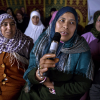
Ending the Male Monopoly on Peace: Women Still Need More Seats at the Table
Whether targeted by perpetrators of sexual violence, oppressed by ideological extremists, or uniquely threatened by the bombing of hospital maternity units, women often bear the brunt of conflicts. Yet when it comes to peace negotiations, women too often don’t have a seat at the table. The continuing reality that men, particularly armed men, enjoy an almost exclusive role in peace processes defies both logic and evidence.
Congo’s Wake Up Call
Late last week, the humanitarian community activated a Level 3 emergency for the Democratic Republic of the Congo (DRC). This trigger in the global humanitarian system is seldom used, and only after serious deliberation by the top echelons of the UN system.« Previous Page — Next Page »


It was dubbed "The Glass House" by U.S. ambassador James Wadsworth in 1966. Half a century later, the United Nations has gradually expanded its role as agent of peace and protector of the world's vulnerable populations, while simultaneously facing internal pressures to become more inclusive, increase transparency and maintain legitimacy in the post-Cold War political and economic order. Highlighting the local impacts of global policies on economic development, environment, health and human rights, IPS's coverage goes beyond the edicts of the Security Council to illuminate the power struggles, successes and shortcomings of the 193-member institution as it grapples with crises like climate change, armed conflict, poverty and HIV/AIDS.

The Week with IPS
