Languages
Thursday, October 15, 2026



News and Views from the Global South
Headlines
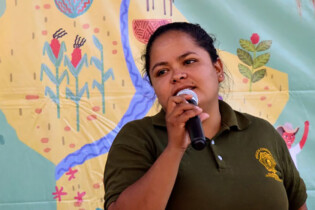
Kenia Hernández: Indigenous Rights Defender Imprisoned for Her Activism
Kenia Hernández is an Indigenous Mexican lawyer and human rights defender dedicated to advancing women’s rights and social justice.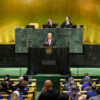
Crisis and Opportunity at the UN
At this year’s highest-profile UN event, Donald Trump publicly mused over his ‘big decision’ about whether to ‘annihilate’ Iran. Israeli Prime Minister Benjamin Netanyahu, as dozens of delegates walked out, branded those who condemn genocide in Gaza ‘moral cowards’.
World Lost More Than 7 Million Hectares of Forest in 2025
The world lost more than 7 million hectares of forest to deforestation in 2025, a modest improvement on recent years but still far from what is needed to meet global forest protection targets by 2030, according to a new assessment of international conservation efforts.
When Medicine Becomes a Tool for Torture: The Hidden Role of Medical Personnel in Russian Captivity
Medicine is supposed to protect human life and dignity. Yet testimonies from Ukrainians released from Russian captivity reveal a disturbing reality: medical personnel in places of detention have not only denied prisoners necessary treatment but, in documented cases, participated in torture and ill-treatment.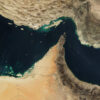
Middle East Escalation Could Leave 11.7 Million More Women and Girls Facing Food Insecurity by End-2026
An additional 11.7 million women and girls could face food insecurity by the end of 2026, as the escalation in the Middle East and disruption to the Strait of Hormuz drive up food prices and strain livelihoods and household resources, according to a new UN Women analysis published today.
UN to Launch Survey to Track Down Racism at the Secretariat
The United Nations has once again revived a longstanding problem that has been left lingering behind closed doors for decades – racism and racial discrimination at the UN Secretariat.
Dollar System Eroding Slowly, but Still Dominant
The protracted demise of dollar-gold convertibility and associated fixed exchange rates did not end dollar hegemony. With crucial and timely help from political allies, confidence in the dollar system has persisted, albeit much diminished.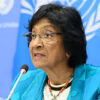
Navi Pillay’s Nobel Peace Prize Is a Vote of Confidence in a Global Legal Order under Fire
The awarding of the 2026 Nobel Peace Prize to distinguished South African jurist and international judge Navanethem “Navi” Pillay is about more than just the recognition of an exceptional individual in the global fight for justice.
How Nepal is Learning To Cope With the Psychological Toll of Its Missing
Nearly three decades ago, in the final stretch of Nepal's civil war, Dr Brandon Kohrt sat with parents whose sons had been conscripted as child soldiers and never returned.
Kazakhstan Has Spent 23 Years Bringing Faiths Together. Now Comes the Harder Part.
In a world increasingly divided by war, political distrust and competing ideologies, Kazakhstan has spent more than two decades pursuing an unusual diplomatic undertaking: keeping representatives of different religions in conversation.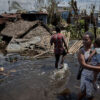
UNICEF Warns Impending El Niño Threatens Education, Health, and Safety for Millions
New figures from the United Nations Children’s Fund (UNICEF) project that the impending 2026-2027 El Niño cycle could be one of the strongest on record. Marked by unusually wet and dry conditions, this cycle is forecast to trigger a host of extreme weather events, threatening the health, security, education, and development of over 347 million children worldwide.
Tanzania’s Biggest City Bets on Elevated Bridge to Dodge Chronic Flooding
Each morning on her way to Kariakoo, Clementina Nyangwine looks out of her commuter bus as it crawls through Jangwani and watches giant foundation piles rising above the muddy Msimbazi valley.
Nearly 50,000 Women and Girls Killed or Severely Injured in Gaza in Three Years of War – One in 21 Gazan Women and Girls
Since October 2023, 50,000 women and girls in Gaza have been killed or seriously injured.- • UN Women estimates that nearly 50,000 women and girls in Gaza have been killed or severely injured since the onset of war in October 2023 [1], amounting to one in 21 Gazan women and girls losing their life or living with lifelong disabilities [2].
Protection That Holds: Keeping Nature Safe From Extraction
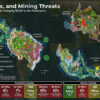
When governments gather in Yerevan this month for the 17th UN Convention on Biological Diversity, they will weigh a promise nearly 200 countries adopted six years ago: to effectively conserve at least 30 percent of land, inland waters, and sea by 2030. Achieving the ambitious 30x30 target is essential to sustaining the systems humanity relies on for survival—including crop pollination, purification of water and air, and climate regulation—as well as the biodiversity that underpins food production, fisheries, and tourism.
Smartphone Ban Robs Afghan Female Journalists of a Vital Working Tool
It has become difficult for Afghan journalists to obtain information from the authorities, who are permitted to use smartphones only with special authorization. This ban particularly affects women, for whom face-to-face interviews are not an option.
How AI-Powered War Drives the Critical Minerals Race
The demand for critical minerals is accelerating as world powers scramble to stay on top of emerging technologies. Meanwhile, the environment and frontline communities are paying a steep price.
A Rash of Hard-Hitting Questions—Which May Remain Evasive–for Candidates Running for UN Chief
The seven candidates, still in the running for the post of UN Secretary-General (SG), have so far faced a barrage of questions, mostly from delegates and the news media.
Ukrainian Groups Urge WHO to Act on Torture of Captives by Russian Medical Staff
More than 60 Ukrainian organisations have issued an appeal to the World Health Organisation (WHO) to help stop the torture of Ukrainians held in Russian captivity.
Nigeria’s School Kidnapping Threat Is Changing: Four Lessons from the 56 Day Oyo Attack
Following the mass abduction of 46 pupils and teachers in Oyo State, south-west Nigeria in 2026, the authorities attributed the attack to the Ansaru terrorist group. Key suspects were prosecuted and handed prison terms. But this was not the first time terrorist groups had engaged in mass abduction of school pupils in Nigeria. Peace and security researcher Saheed Babajide Owonikoko explains what factors could have motivated the Ansaru terror group to stage that attack and what lessons Nigeria should take away from the incident, which lasted 56 days.
Prioritize Multilateralism to Resolve Iran War Deepening Humanitarian Crisis, Says OSF Vice President
Seven months into the Iran War, threats of further military escalation and stalled efforts to reopen the Strait of Hormuz have heightened fears of worsening humanitarian suffering and wider regional instability.
Dementia: A Rapidly Rising Global Challenge
Dementia is a rapidly growing global health challenge that affects many millions of people worldwide and places significant economic, healthcare, and social strains on societies, particularly as populations age.Next Page »





