Languages
Sunday, August 16, 2026



News and Views from the Global South
Water & Sanitation

Three Million in Three Years: Jamaica’s Tree-Planting to Tackle Climate Change
By the time he is finished, Dr. Satyanarayana Parvataneni expects he will be responsible for planting over 200,000 tree seedlings in Jamaica. It is an effort driven by a desire to preserve the planet for the next generation, as well as the one of the largest contributions to date to a national effort to plant three million trees in three years.
Sowing Water: A Cuban Farm’s Bid for Sustainability
Cuban farmer José Antonio Casimiro found in the ageold technique of sowing water an opportunity to meet his farm's water needs and mitigate the increasingly visible effects of climate change.
Improving Water Services Planning for Climate Resilience in Nauru
Policymakers worldwide consistently rank water scarcity among the greatest risks faced by humanity. In Pacific island countries and territories, where water resources are limited, it has become essential to reassess and adapt water planning and decision-making processes taking into account the current and future impacts of climate change.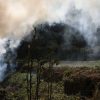
From Climate Change to Covid, Are We Ready to Deal with Disasters?
In the last 20 years, disasters affected over 4 billion people. At global level we witness on average one sweeping disaster a day, the majority of which are floods and storms. From the Covid-19 pandemic to climate change, calamities are taking new shapes and sizes, infiltrating every dimension of society. From the emotional to the political, how do we deal with disasters? How can we create a whole-of-society approach to disaster risk reduction?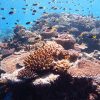
Time to End Generational Injustice with a ‘Global Blue New Deal’ to Protect Oceans
Increasingly, youth are rising up to declare that they've had enough of the cyclical exploitation of the environment that jeopardizes their own future.
UN’s Battle Against Climate Hazards Undermined by a Devastating Pandemic
The United Nations has been in the forefront of an ongoing battle against the growing hazards of climate change, including the destruction of different species of plants and animals, the danger of rising sea-levels threatening the very existence of small island developing states (SIDS), and the risks of oceans reaching record temperatures endangering aquatic resources.
Bridging the Gaps Between Climate Action & Biodiversity Preservation
With the climate negotiations getting more and more intense in the light of ensuring meaningful achievements in the upcoming COP- 26 summit in Edinburgh, an event that is key to move forward the pathway towards a net zero future started in Paris, this year World Environment Day on June 5 assumes an even more emblematic meaning.
Sowing Water by Restoring Ancient Ditches in the Peruvian Highlands
In the highlands near the capital of Peru, more than 3,000 metres above sea level, ageold water recovery techniques are being used to improve access to water for 1,400 families, for household consumption and for crops and livestock.
2021: The Year that Matters for the Poorest People on the Planet
This year is being described as pivotal for climate change. That’s not only because we’re reaching a point of no return when it comes to the rise in global temperature, it’s because the 26th UN Climate Change Conference of the Parties – commonly known as COP26 – is due to take place in November in Glasgow.
– Youth Demand Action on Nature, Following IUCN’s First-Ever Global Youth Summit –
On the occasion of World Environment Day, 5 June 2021, drawing from IPS’s bank of features and opinion editorials published this year, we are re-publishing one article a day, for the next two weeks. The original article was published on April 23 2021
Wards Without Water
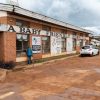
Malawian healthcare workers are facing challenges from all sides. More than half of healthcare facilities in Malawi are without handwashing facilities, almost two thirds have no decent toilets and almost one fifth do not have clean water on site.
– Mining giant Rio Tinto Face Environmental, Human Rights Complaint in Papua New Guinea –
On the occasion of World Environment Day, 5 June 2021, drawing from IPS’s bank of features and opinion editorials published this year, we are re-publishing one article a day, for the next two weeks. The original article was published on January 4 2021

Bridging the Digital Divide Will Save Our Planet
Data, analysis and information are essential building blocks in our race to save humanity from the clear and present risks posed by the climate crisis.
Brazil Relies on Rainfall that Depends on the Forests
"Rainfall is fundamental; the streams and rivers we have would not suffice for irrigation, even if they were the Amazon River," said Dirceu Dezem, referring to the amount of water required for the extensive crops in Brazil’s midwest.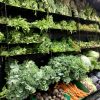
UN Banks on Water as the ‘Game Changer’ in Food Production and Consumption
As the United Nations prepares for its solutions-based Global Food Systems Summit in September, officials say resolving issues around water scarcity, pollution and wastage is crucial transforming food production and consumption.
Youth Demand Action on Nature, Following IUCN’s First-Ever Global Youth Summit
Following almost two weeks of talks on issues such as climate change, innovation, marine conservation and social justice, thousands of young people from across the globe concluded the first-ever International Union for Conservation of Nature’s (IUCN) One Nature One Future Global Youth Summit with a list of demands for action on nature.
A Post-COVID-19 Recovery will not be Possible if Water, Sanitation & Hygiene are not High on the Agenda
This World Health Day, G20 finance ministers will meet in Rome, Italy, to discuss how they will build back from the pandemic. The global economy is and concerted effort, coordination and imagination is needed to enable not only a worldwide recovery but also to ensure that the world’s poorest people are not left behind.
Mexico Looks to the Heavens for a Solution to Its Water Crisis
In neighbourhoods like Tehuixtitla in southern Mexico City, rain brings joy, because it provides water for showering, washing dishes and clothes, and cooking, by means of rainwater harvesting systems (RHS).
Humanitarian & Food Aid Can Never be Enough to Manage Cascading Disasters
The intersection of crisis, climate change and COVID-19 has resulted in a “rapid rise in hunger”, according to United Nations World Food Programme (WFP) Deputy Executive Director Amir Abdullah.
Hope & Numbers: What will it take to Tip the Scales on Climate Action?
We should be well on the way to solving the climate crisis by now. According to the Paris Agreement, last year should have been the year that all countries presented their commitments to cut carbon emissions for limiting global climate heating to within 1.5oC of pre-industrial levels.
Water Governance and Data Collection is Key to Reach Development Goals
Prioritising water governance and ensuring data collection and investment in groundwater use around the world are some of the key issues that need to be addressed with regards to achieving development goals.« Previous Page — Next Page »


The Week with IPS

NEXT STOP - SDGs
Tracking global progress towards a sustainable world
Tracking global progress towards a sustainable world
