Languages
Monday, November 23, 2026



News and Views from the Global South
Women & Economy
POLITICS: Obama Sets New Course at the U.N.
After nearly a decade of an often tense and estranged relationship with the United Nations, Washington appears to be taking a much more conciliatory and multilateral approach to the world body.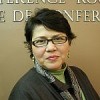
Q&A: "Women Need a Bigger Voice at the G20 Summit"
Activists are calling for an economic bailout plan for women and demanding that their voices be heard at the decision-making table ahead of the G20 summit of the world's biggest economies in London on Apr. 2.
TRADE: Middle-aged Women Keeping Zimbabwean Economy Afloat
Her small tattered book is full of lists of orders for goods such as beer, maize-meal and chemicals. On another page are addresses and phone numbers of store managers while, on another, a list of names has been jotted down along with corresponding amounts.LABOUR-PHILIPPINES: Meltdown – Women Most Vulnerable
Shaynar Bacon was working as a cashier in a shopping mall in Mindanao, southern Philippines, when she learned that an electronics manufacturing firm in Taiwan was looking for workers.DEVELOPMENT: Financial Crisis Threatens Women’s Meagre Gains
The spreading global financial crisis - which has taken a heavy toll of international bankers, investors and speculators - is also having a devastating impact on some of the most vulnerable and marginalised groups in society, including women and children.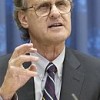
Q&A: “Time Has Come for a New U.N. Women’s Agency”
After being blind for years to the needs and rights of women, the United Nations is finally well on its way to create a "fully-resourced" women's agency, says Stephen Lewis, the former U.N. Special Envoy for HIV/AIDS in Africa.RIGHTS-US: Few Safety Nets for Women of Colour
As hundreds of activists from around the world descend on the United Nations Monday for a major two-week meeting on women's rights and equality, the economic crisis here in the host country is continuing to have an especially heavy toll on women of colour.DEVELOPMENT: New Africa Commission Report Reiterates Basic Goals
Africa's arduous path to development could be eased if governments took elementary measures to improve infrastructure, coordinate regional trade policies, capacitate customs personnel to speed up the regional exchange of goods and services and facilitate access of small and medium enterprises to financial resources.HEALTH-BRAZIL: Older Women at Higher Risk from AIDS
The HIV infection rate in women over 50 in Brazil has more than tripled since 1996, making this population group the prime target of the government's HIV/AIDS prevention campaign during the carnival festivities.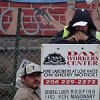
/UPDATE/MIGRATION-US: Building a House for Day Labourers
Twenty-five centuries ago, ancient Athenians set aside part of their agora, the central public plaza, as a place where people seeking temporary work and others seeking workers could meet.WORLD SOCIAL FORUM: Presidents for Feminist Socialism
"True socialism is feminist," and is already being built, said Venezuelan President Hugo Chávez, standing next to three other South American presidents, all of them men, at a dialogue that took place Thursday at the World Social Forum (WSF).
ZIMBABWE: ‘Life Is Like A Casino – We Live Each Day As It Comes’
Long lines of stalls, run by women, have sprung up next to many of Zimbabwe’s highways, selling honey, milk, mushrooms, tomatoes, onions and chickens. As prices in towns skyrocket due to unprecedented inflation levels running in the millions, people leave their towns to purchase basic commodities.CUBA: Women Farmers Bring Innovation to the Mountains
When Odaly Aroche set out from the mountains of Topes de Collantes in central Cuba to see what other women farmers were doing in San Andrés, 380 km west of her home, her neighbours told her she was crazy. But that didn’t stop her.
INDIA: Kashmiri Women Repose Faith in Electoral Politics
With voting for the provincial elections in Indian Kashmir safely over, observers say that what was remarkable about the process - apart from its relative peacefulness - was the active participation of women in a Muslim-majority state.Q&A: "We Should Go Beyond Development Aid" Vis-a-vis Africa
"Portugal does not own the European Union’s strategy for Africa, but we do feel a special affection for that continent and recognise that our relationship with them is unlike that with any other region in the world."
DEVELOPMENT: ‘No Bailout Plan for the Vulnerable’
"Good but not enough!" "Missed opportunity!" "Talks fail to deliver!" These were some of the reactions from civil society as the U.N. Financing for Development (FfD) talks drew to a close in Doha, Qatar, on Tuesday.
DEVELOPMENT: Change Comes To Villages in Uganda
In her village they call her ‘councillor’. But Jenipher Namugwere is no ordinary councillor elected by the people to represent them in the local council.DEVELOPMENT: Rights In Times of Crisis
For the past three decades, indebted developing countries have been forced by the International Monetary Fund (IMF) and the World Bank to deregulate financial and labour markets, privatise national industries, abolish subsidies, and reduce social and economic spending.
DEVELOPMENT: 'G192' Urged to Put People in Doha Talks
The demand is seemingly simple. ‘Vote for democratic, people-centred development’, advise civil society at the ongoing inter-governmental review of the Monterrey Consensus in Doha, Qatar.Q&A: "How Are We Going to Sustain Gender Approaches?"
The negative aspects of Africa's experience with structural adjustment programmes beginning in the 1990s have been well-documented - facing high debt loads, African governments agreed to liberalise their economies, privatise public enterprises, and sharply reduce social spending with often painful effects on the most vulnerable.
UGANDA: On the Global Market Track to Prosperity
Uganda's finance ministry has ambitious plans to reduce the country’s donor dependence. With foreign funds accounting for almost 50 percent of the national budget, officials believe a slew of measures announced in the 2008/09 budget could bring that down to about 30 percent.« Previous Page — Next Page »


Around the world, women make great contributions to different economies. From the field of business, to carrying the bulk of unpaid care, women are essential to economic growth. However, due to gender inequality, women face economic discrimination. Taking many forms, including disproportionate wages, greater exposure to vulnerable employment, and reduced economic opportunity, this inequality continues to curtail economic development. Yet women continue to work past these obstacles and reduce this disparity, furthering economic empowerment. These stories help to identify women’s economic struggles, and those that are working towards empowerment.

The Week with IPS

NEXT STOP - SDGs
Tracking global progress towards a sustainable world
