Languages
Wednesday, October 7, 2026



News and Views from the Global South
Slideshow

Lao Theatre Serves Up Creative Menu of Advocacy, Arts
 Khaoniew puppet theatre group, whose name translates into the ‘sticky rice’ that Laos is so known for, serves its audience a homegrown mix of creative social messages through the use of tools that locals are well familiar with.
Xayaburi Dam: An Unfinished Story in the Mekong
Say ‘Mekong dams’ these days and the first thing that comes to mind is the controversial Xayaburi dam project in Laos, which in recent years has been the subject of worries among neighbouring – especially downstream -- communities and governments.
The Search for Water
Summer brings with it the search for better access to drinking water, especially in the Irrawaddy Delta of Myanmar that was hit by Cyclone Nargis in May 2008. More than 5,000 ponds and 3,000 hand-dug wells in the delta area, the usual sources of water for local communities, were also destroyed by Nargis.

Women Clamour for Contraceptives
In a small women's clinic in the congested community of San Andres Bukid in the Philippine capital, a mother of 11 is availing herself of family planning services for the first time in her life.
As Nargis’ Anniversary Nears, Schools Sprout Back Up
The onset of May brings with it the memory of the destruction brought by Cyclone Nargis in Myanmar, but also still ongoing efforts to put the pieces of life back together again. These efforts include reconstructing and building schools, since about 4,000 of them were totally or partially damaged by the killer cyclone that struck on May 3, 2008, according to the Post-Nargis Joint Assessment report done by the Association of South-east Asian Nations (ASEAN).
From the Farms to the Cities
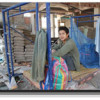
Many people go about their daily lives hearing the endless hum from the construction of buildings, roads and other structures in Vientiane, the Lao capital.

ENVIRONMENT: Military Debris Threaten Oceans
Military debris dumped into the world’s oceans are hazardous to coral ecosystems, reefs, fish and marine wildlife, say experts, who also warn - in light of the recent tragedy in Japan - that earthquakes and tsunamis could disturb this debris and even wash it ashore.
EXCLUSIVE: Report from Fukushima
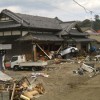
My decision to visit Fukushima - the area worst hit by the massive quake, tsunami and nuclear power accident on Mar. 11 - was taken one afternoon last week after a long meeting with scientists.

WORLD SOCIAL FORUM: ‘Signs of Change’ Says Bolivia’s Morales as World Social Forum Opens
Tens of thousands of people marched through the streets of Dakar on Sunday to mark the start of the annual World Social Forum. Activists carried colorful banners denouncing land grabs, restrictive immigration laws, agricultural subsidies in Europe and the U.S. and many other issues.

Motherhood Matters
We are two-thirds of the way to achieving the Millennium Development Goals - in terms of time, not by way of meeting the target. Achievements are failing widely in the march to the 2015 targets agreed by world leaders in 2000. But there are successes too, and five years still to go over which speeded up efforts can go a long way to fighting poverty and to promoting health and education -- aims that are at the heart of the eight MDGs. IPS here reports on the progress and the shortfalls on way to those goals.

NEPAL: School Initiative Making the Grade
Four years ago, Ramita Bhujel was a bit reluctant to go back her school after a year's absence. This Grade 4 student of Shree Saraswati Secondary School here had been down with pneumonia, failed to clear her nursery exams and as a consequence stayed at home.

SOUTH AFRICA: Teachers’ Voices Heard in Public Sector Strike
South African teachers - along with other public service employees - have embarked on an indefinite strike over wages. The unions are demanding an 8.6 percent wage increase. Government says it cannot afford to offer 1.3 million striking public servants any more than seven percent.

AFRICA: Bearing Witness and Celebrating the Everyday
"I had a lump in my breast for a few years that I ignored [mainly because] it didn’t hurt. It’s so easy to try to deny illness," says Tracey Derrick. When she finally went to see a doctor for a biopsy, she got a big shock. The result came back positive: breast cancer.
PHILIPPINES: Despite Ad Ban, Tobacco Industry Seduces Customers
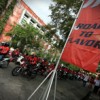
Adventure motorcycle tours, and driving and racing events organised by tobacco firms. Canopies bearing cigarette brands in popular restaurants. Tobacco brands appearing beside the signages of convenience stores, whether along the Philippine capital’s urban alleys or provincial roads.
DRC Farmers: Untapped Potential
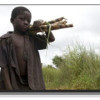
Today, one in six people on the planet go hungry, according to United Nations statistics. The food crisis and now the global economic crisis, together, have increased the number of undernourished people in the world to more that one billion for the first time since the 1970’s.
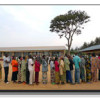
Rwanda Goes to the Polls
The presidential elections held in Rwanda on Aug. 9 2010 saw incumbent President Paul Kagame winning by a landslide, amid claims of political repression.
Slide Show: International Day for Biodiversity / 22 May 2010
The loss of biodiversity is widespread, and it is worrying; there are all sorts of alarming numbers about.
« Previous Page — Next Page »





The Week with IPS

NEXT STOP - SDGs
Tracking global progress towards a sustainable world
Tracking global progress towards a sustainable world
