Languages
Sunday, September 6, 2026



News and Views from the Global South

ZAMBIA: Give Us Our Constitution
Pressure is mounting for a new constitution that is inclusive of all citizens' views as the ongoing delays by the body granted to draft it still continues.
AFRICA: Counting on Media for Good Governance
While campaigning in the last election, Margaret Roka Mauwa, Member of the Malawian Parliament, did not promise her voters that when she won she would buy them coffins.
SOUTH SUDAN: Complicating the Vote for Women
In April 2010, the people of South Sudan will vote in a milestone general election, and for the first time, South Sudanese women will be able to participate.
Q&A: Reality Fell Upon Us: Women's Voices Must Be Heard
Fifty-six percent of Rwanda's parliamentarians are women, a manifestation of the active role women have taken in rebuilding the country since the 1994 genocide.EGYPT: Disputes Rise Over Quotas for Women MPs
Disputes have arisen over new legislation setting a quota for female representatives in parliament. Spokesmen for the ruling National Democratic Party (NDP) of President Hosni Mubarak describe the quotas as a milestone for women's rights, but some critics say the move threatens to create more problems than it solves.POLITICS-BOTSWANA: Parties Block Women Candidates for Upcoming Elections
As Botswana prepares for general elections in October, gender activists are protesting against the lack of female parliamentary candidates.
POLITICS-SOUTH SUDAN: Women Ready To Take Their Place
When the women of South Sudan welcomed the signing of the Comprehensive Peace Agreement (CPA) in 2005, they were cognizant of the fact that true democracy will be realised only when their human rights are realised.
POLITICS-SOUTH AFRICA: 'One Miracle at a Time'
The African National Congress comfortably won almost two-thirds of the total vote in South Africa's recent elections, to retain power at the national level and in eight of the country's nine provinces.POLITICS: ‘Women Are Born Leaders’
When Margaret Mensah-Williams walked down the steps after presiding over the Namibian parliament for the first time, male parliamentarians rushed to ask her how she became so good at chairing the house.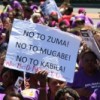
RIGHTS-SOUTH AFRICA: Election Campaign Silent on Violence Against Women
With its emphasis on gender equality, the South African constitution is regarded as a great example for many other developing countries. Yet, despite laws intended to protect the rights of women like the Sexual Abuse Act and the Domestic Violence Act, women in the country still suffer indignities at the hands of police and in court.
POLITICS: Malawi’s Women Challenge For Top Posts
Sitting side by side, clothed in bright traditional outfits complete with headgear, they looked like any of the women who always dance and ululate for politicians at rallies.ETHIOPIA: Political Space Narrowing
Bertukan Mideksa has a reputation in Ethiopia as a competent politician, but voters will not be able to cast ballots for her in the next national election. The revocation of her 2007 pardon has sent a chill through Ethiopia's opposition parties.
POLITICS-KENYA: Taking Up a Women's Agenda
The first woman from the Muslim majority island constituency of East Lamu to contest for a seat in Kenyan parliament, Shakila Abdalla is determined to give voice to the country's poor and marginalised.
POLITICS-MOZAMBIQUE: Few Women Mayors This Term
Bad news for women: of the eight women running for mayor in Mozambique's municipal elections held on Nov. 19, only three won. Overall, 114 candidates ran for mayor in 43 municipalities.
POLITICS-GHANA: The Fruits of the Future
The upside: three political parties selected women as vice-presidential candidates in the general elections of Dec. 7, the first time ever in Ghana’s history. The downside: the parties are small and have no real chance of victory.
POLITICS-MALAWI: Elections Get Ugly For Women
Malawi’s primary elections are getting ugly for women candidates. Shoving, derogatory songs and being pelted with stones are just some of the intimidating tactics aimed at discouraging women from contesting the primary elections that will select candidates for the parliamentary polls in May 2009.
POLITICS-ETHIOPIA: Disappointed But Not Defeated
She fought alongside men in the Ethiopian liberation struggle. She fought for a free and fair society. But today, Yewubmar Asfaw feels that Ethiopia's revolution has failed to deliver a fair share of political power to women.
POLITICS-ANGOLA: A Tradition of Strong Women
She was orphaned by Angola's liberation struggle against Portugal, but through it she found a new family and a life-long inspiration.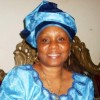
POLITICS-GUINEA: Marching to the Beat of Her Own Drum
Surprises have been a common occurrence in the all-but-common political career that made Kaba Rougui Barry the first female mayor in Guinea since political parties were legalised in 1990.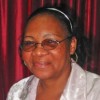
POLITICS-MOZAMBIQUE: Fate and Merit
Two deaths in a row placed Rita Muianga at the helm of Xai-Xai's municipal council. In 2003, council presidents Ernesto Mausse and Faquir Bay died suddenly and successively. Rumours of witchcraft gripped Xai-Xai, a small town 220 kilometres north of Mozambique's capital, Maputo.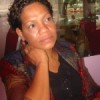
POLITICS-MOZAMBIQUE: The Modern Face of Renamo
If Maria Moreno is elected president of the Municipal Council in Cuamba, in Niassa Province, Mozambique's parliament will lose one of its most interesting personalities.« Previous Page — Next Page »


We follow elections across Africa and examine women's participation in political processes. We also analyse how women and men as candidates and voters are dealing with the challenges of political participation within the scope of democratic electoral processes. This interactive project includes stories and resources for women politicians and reporters, including a handbook, “Women in the News” (available online in French and English) and a set of advocacy tools for women in politics.

The Week with IPS

NEXT STOP - SDGs
Tracking global progress towards a sustainable world
Tracking global progress towards a sustainable world


This page includes independent IPS news coverage which is part of a partnership with UN WOMEN SARO to strengthen the voice and visibility of "Women in Politics" in the region.
Advocacy Toolkit for Women in Politics

- Planning for Advocacy
- Framing an advocacy message
- Mobilising Resources fot your Advocacy Activities
- Conducting Research
- Networking Tools - Srength in numbers
- Be Media Savvy
- Writing for Media - Opinion and Commentary Pieces
- Key Gender Concepts
- Using the SADC Protocol on Gender and Development as an Advocacy Tool
- One woman's journey in advocacy
