Languages
Sunday, November 8, 2026



News and Views from the Global South

Ecobreves – BRAZIL: Dams Can Make Use of Methane
The hydroelectric dams in the Brazilian Amazon could generate 30 to 50 percent more energy by making use of the methane gas found in the waters, says a study by the National Institute of Space Research.Ecobreves – CHILE: Chimney Controversy in the Capital
The Intendant of the Metropolitan Region of Santiago, Adriana Delpiano, criticized the use of wood-burning stoves in the Chilean capital, which on Saturday, May 12, recorded its worst level of air pollution since 1999.Ecobreves – CUBA: A Drill Against Hurricanes
Practice in evacuation of people and property, and clean-up of rooftops and drainage systems were some of the activities of the Meteoro 2007 operation, a drill carried out May 19-20 aimed at reducing the damages caused by hurricanes in Cuba.Ecobreves – VENEZUELA: New Release of Crocodiles and Turtles
With the arrival of the first rains this month in Venezuela, 343 Orinoco crocodiles (Crocodylus intermedius) and some 5,000 young giant South American river turtles (Podocnemis expansa), raised in captivity since they hatched a year ago, were released in rivers and marshes.
Sierra Gorda Reserve Hit Hard by Climate Change
Less rain and more heat seem to be the cause of the persistent pests afflicting the trees of the unique Sierra Gorda reserve in Mexico.
Putting a Human Face on Biodiversity
If current trends continue, 30 percent of known species will disappear before the end of the century, says Ahmed Djoghlaf, executive secretary of the Convention on Biological Diversity, in an exclusive interview with Tierramérica.Ecobreves – MEXICO: Activist Pressure Discourages Chevron
Civil society pressure, denunciations and legal measures are the reason the transnational oil giant Chevron backed off its plan to build a gasification plant near Mexico's Coronado Islands, say activists.Ecobreves – HONDURAS: Towns Regulate Forest and Mineral Management
Three central Honduran municipalities -- San Jerónimo, Ojo de Agua and Comayagua, in Comayagua department -- approved a joint management plan to regulate and preserve forest and mineral resources.Ecobreves – ARGENTINA: Environmental Damage Up for Debate
Lawyers, biologists, geologists, engineers and chemists will take part in the first Interdisciplinary Meetings for the Prevention of Environmental Damage, to be held in Argentina May 17-18.
Guantánamo's Two-Faced Climate
The fight against desertification is bearing fruit in the semiarid region of the Cuban province of Guantánamo.
Boston Residents Face to Face with Bio-War
The lab being built in Boston is one of 10 that are slated for construction by the end of the decade in the United States to research bioterrorism and biological weapons.Ecobreves – CHILE: Criticisms for UN Appointment of Ex-President as Climate Envoy
Chilean environmentalists reject the United Nations appointment of former president Ricardo Lagos (2000-2006) as one of three special envoys on climate change.Ecobreves – CUBA: Eco-Construction Hopes for Habitat Award
A Cuban-developed method of construction with ecological materials is among the four finalist projects for the World Habitat Award, sponsored by the United Nations.Ecobreves – VENEZUELA: Plains Vistas in the Caracas Subway
The subway here in the Venezuelan capital caught its passengers by surprise last week at the Plaza Venezuela station, with its walls newly covered by gigantic, full-color photographs of the country's plains, teeming with plant and animal life.
Paraguayan Aquifer Wounded and Contaminated
The invasion of saltwater and sewage is contaminating the Patiño aquifer, one of Paraguay's main sources of water.
Can Capitalism Be Green?
Experts say continuous economic growth, intrinsic to capitalism, is not viable on a planet with increasingly scarce natural resources.Ecobreves – BRAZIL: Indians Want Pay for Forest Care
Indigenous groups -- fisherfolk and rubber tappers in the Brazilian Amazon -- have relaunched the Aliança dos Povos da Floresta (Alliance of Forest Peoples - APF), founded in the 1980s, to demand recognition of their role in the preservation of the jungle and of the world's climate.
Fair Trade Begins to Bear Fruit
Fair trade is fast becoming an option for thousands of poor farmers in Guatemala, with thousands leaving behind the distortions of the international market.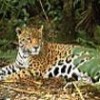
Jaguars on the Run
The majestic jaguar that once reigned in Argentina has seen its numbers reduced to just 300 animals, which are living in increasing isolation.Ecobreves – GLOBAL: Investigating and Punishing Harm to Coral Reefs
International experts will test new protocols in Barbados in May to investigate damage to coral reefs, an ecosystem that is home to a quarter of all marine life, and to bring to justice those responsible for the harm.Ecobreves – BRAZIL: Promoting a World Social Forum in Amazonia
The World Social Forum could be held in South America's Amazon region if the candidacy of the northern Brazilian city of Belém to host the massive civil society event is successful.« Previous Page — Next Page »





Tierramérica is the main communications platform on sustainable development and the environment in Latin America and the Caribbean. It is produced by IPS Noticias, the agency’s Spanish-language service, which created it jointly with the United Nations Development Programme (UNDP) and the United Nations Environment Programme (UNEP), with later support from the World Bank. The weekly editions of Tierramérica are published in Spanish, Portuguese and English and are picked up and printed by dozens of media outlets in the region. Follow us on Facebook and Twitter.

From the Frontline of Environment
Supported by

Tierramérica en Español

Terramérica em Portuguese

