Languages
Friday, November 6, 2026



News and Views from the Global South

Renewable energy
Energy production based on sources of energy that do not run out, for example wind, water and solar power.
Mexican Scientists and Communities Forge Eco-Alliances
Two worlds join forces in Mexico -- academia and common folk -- to confront environmental problems.Sunspots
Areas on the surface of the sun, which in periods are a little colder than the rest of the surface and appear as dark spots.
Out of the Frying Pan and Into the Engine
The touristic city of Neochea, Argentina, is putting together a pioneering plan for the compulsory collection of used cooking oil from restaurants in order to produce biodiesel.Ecobreves – GLOBAL: Lawmakers Against Climate Change
Some 100 lawmaker from the 13 most polluting countries of the planet gathered Jun. 12-13 in the Italian capital to pursue an effective international agreement to fight climate change.
ENVIRONMENT: Mexico Yet to Cross Clean Energy Threshold
Despite its great potential for energy from the sun, wind and water, Mexico has not taken advantage of the Clean Development Mechanism laid out in the Kyoto Protocol on climate change.
Nature Paths Instead of Wall for Rio Slum
Rio de Janeiro's largest slum has halted construction of a much-criticized wall in exchange for ecological and recreational corridors between the impoverished neighborhood and a city forest.
Mexico Yet to Cross Clean Energy Threshold
Mexico, chosen as this year's headquarters for celebrations of World Environment Day, is lagging behind in developing renewable energy sources.Ecobreves – ARGENTINA: Demands for Potable Water in Buenos Aires
In less than a week, some 30,000 people participated in an action to demand potable water for the residents of the Matanza-Riachuelo watershed in Buenos Aires, the country's most polluted waterway.Ecobreves – HONDURAS: Military Begins Reforestation Effort
The Honduran Armed Forces launched a campaign to plant one million trees in the country's most vulnerable areas, deputy Defense minister Lionel Sevilla told Tierramérica.Ecobreves – MEXICO: Peasant Farmers Oppose Hydroelectric Dam
The Federal Electricity Commission of Mexico has put off until 2018 the construction of La Parota dam, in the southern state of Guerrero, but residents there say they will never allow it to be built.Ecobreves – BRAZIL: Low-Income Housing with Solar Heaters
The "My House My Life" program, which is slated to finance one million low-income housing units in Brazil in a bid to reactivate the economy and create jobs, will also promote the use of environmentally friendly materials and technologies, including solar energy.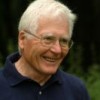
Q&A: "I Hope We Are Civilised When Climate Disaster Hits"
"When the first great climate disaster strikes, I hope we will all pull together just as if our nation were being invaded," says British scientist James Lovelock in this exclusive Tierramérica interview.Ecobreves – VENEZUELA: Orinoco Delta Now a Biosphere Reserve
The Orinoco Delta, Venezuela's youngest geological area at just one million years old, has been added to the network of 544 biosphere reserves of UNESCO (United Nations Educational, Scientific and Cultural Organization).Ecobreves – CHILE: No to a Gas Tax Cut
Environmental groups in Chile oppose President Michelle Bachelet's decision to lower the maximum tax on gasoline until April 2010.
The Farmers Who Abandoned Coca for Cocoa
Amidst the violence of civil war and the illegal coca trade, a handful of Colombian farmers have embraced chocolate production in the Amazon forest.Ecobreves – HONDURAS: Oil Exploration Threatens Marine Resources
The oil exploration effort that the Honduran government plans for parts of the Caribbean coast endangers the marine areas of the Mesoamerican biological corridor, warned the Environmental Prosecutor's Office.
“I Hope We Are Civilized When Climate Disaster Hits”
"It's like the pre-World War II calm," says British scientist James Lovelock in describing the human situation and lack of action to adapt to global climate change.Ecobreves – CUBA: Invasive Plants Gain Ground
Cuban scientists have warned that this Caribbean island nation lacks an updated inventory of invasive plant species and sufficient information about the real damage they cause the ecosystems.Ecobreves – BRAZIL: University Students Take On E-Waste
The University of São Paulo has opened Brazil's first government-run center for recycling electronic waste.
DOMINICAN REPUBLIC: Tourism Threatens Natural Treasure
Jaragua National Park, famous for housing the world's tiniest reptile, will itself be in danger if the green light is given to mega-hotel projects instead of ecotourism and sustainable development initiatives, say Dominican ecologists.« Previous Page — Next Page »





Tierramérica is the main communications platform on sustainable development and the environment in Latin America and the Caribbean. It is produced by IPS Noticias, the agency’s Spanish-language service, which created it jointly with the United Nations Development Programme (UNDP) and the United Nations Environment Programme (UNEP), with later support from the World Bank. The weekly editions of Tierramérica are published in Spanish, Portuguese and English and are picked up and printed by dozens of media outlets in the region. Follow us on Facebook and Twitter.

From the Frontline of Environment
Supported by

Tierramérica en Español

Terramérica em Portuguese

