Languages
Sunday, November 22, 2026



News and Views from the Global South
Africa

DEVELOPMENT: ‘Global Poverty Is Not Acceptable’
The economic crisis is a fresh reason to meet Millennium Development Goal targets, not an excuse to miss them, said European Commission president Jose-Manuel Barroso, opening the dialogue at the fourth edition of the European Development Days (EDD).
HEALTH-AFRICA: Fresh Campaign Against Paediatric AIDS
Eleven years ago, Raloke Odetoyinbo had been married for two years and a month when she found out she was HIV positive.UGANDA: Lifting Silence on Menstruation to Keep Girls in School
More than half of Ugandan girls who enrol in grade one drop out before sitting for their primary school-leaving examinations.CLIMATE CHANGE: Africa Readies United Front for Crucial Copenhagen Talks
As African leaders meet in Ethiopia to discuss the devastating impacts of climate change, the United Nations has released a report warning that the economically-troubled continent will be one of the hardest hit by the ravages of global warming.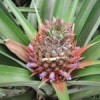
AGRICULTURE-COTE D’IVOIRE: Small-scale Pineapple Growers Want More Support
Karim Diabaté, looks questioningly at his vast 20 hectare pineapple plantation in Bonoua in south-eastern Côte d'Ivoire. "I'm asking myself if if I'll get the money I need for in time for the inputs I need and keep my plants going."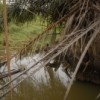
WATER-MOZAMBIQUE: Remote Villages Out of Sight, Out of Mind?
"This is where we get our water from," says a villager on the footpath leading out of Mcondece. Branches and other debris float on the surface of the sluggish, murky brown creek.KENYA: AIDS Prevention Amongst Drug Users a Challenge
The United Nation Office on Drug and Crime (UNODC) claims that Kenya has more drug users than any other East African country. UNODC estimates there are 100,000 cocaine users, 200,000 using opiates like heroin and four million who smoke cannabis.
AFRICA: Counting on Media for Good Governance
While campaigning in the last election, Margaret Roka Mauwa, Member of the Malawian Parliament, did not promise her voters that when she won she would buy them coffins.
ANGOLA: Tit-for-Tat Deportations Leave Thousands At Risk
More than 30,000 Angolans are stranded in transit camps after being abruptly deported from the Democratic Republic of Congo and there are growing fears of a cholera outbreak as the rainy season begins.ZAMBIA: Holding Government Responsible for Spending
The recent change of the budget cycle to allow government to effectively spend money to develop the country is not good enough unless those in charge of the money are made accountable, say civil society.US-SUDAN: Activist Groups Cautiously Praise New Policy
Activist groups that have long urged a tougher U.S. policy toward Khartoum praised the new "comprehensive approach" toward Sudan announced here Monday by Secretary of State Hillary Clinton, even as they expressed concern that it will not be fully implemented.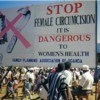
RIGHTS-UGANDA: Female Circumcision Still a Vote Winner
Over three decades ago a 14-year-old girl, her sister and a group of young teenagers from Bukwo headed to the River Amana for a ceremony that would change their lives forever.TRADE: Govt’s May Need to Do for Workers What They Did for Banks
The finding by the World Trade Organisation (WTO) and the International Labour Organisation (ILO) that the dropping of trade tariffs leads to jobs being lost in the formal sector while informal jobs grow is another confirmation of the adverse consequences of forced trade liberalisation.AFRICA: Deal with Guinea Raises Questions About Chinese Role
Reports of a large infrastructure and minerals agreement between Guinea and Chinese investors this week have turned a harsh spotlight on the human rights and geopolitical stakes of the scramble for Africa's natural wealth.
AGRICULTURE-MOZAMBIQUE: Anti-Poverty Campaign Targets Candidates
Antonio Machava is standing by the gate of his farm listening to election campaigners. The group of young people says their party will fight for a law to protect small farmers and create conditions for them to prosper.POLITICS-ZIMBABWE: Unity Govt In Chaos
Zimbabwe's eight-month-old inclusive government suffered its biggest setback to date, when Prime Minister Morgan Tsvangirai announced that his Movement for Democratic Change (MDC-T) was partly disengaging from the government.SOUTH AFRICA: "If You Are Landless, You Are Damned"
A group of small-scale South African farmers has lodged a complaint with the South African Human Rights Commission (SAHRC) against the government, accusing the authorities of not sufficiently assisting small farmers to make a living and therefore undermining their human right to food security.SOUTH AFRICA: Addressing Water Wastage
How do you fix a leaking pipe?AGRICULTURE-ZIMBABWE: "The Rule of Law Just Isn’t There"
Agriculture used to be Zimbabwe’s economic mainstay but it has been on the decline since 2000 when the ZANU-PF government embarked on a so-called land reform programme that resulted in about 4,000 productive white farmers losing their farms, many to members of the politically connected elite.FINANCE: IMF Rebuts Critical Report on Lending
The International Monetary Fund is on the defensive over a recent study which charged that a majority of countries with IMF agreements have been subjected to pro-cyclical fiscal or monetary policies during the global economic downturn, exacerbating the effects of the recession and harming some of the world's poorest economies.
WATER-ZIMBABWE : New Wells Protect Environment, Build Peace
Twenty years ago, Isaac Chidavaenzi would worry when his neighbours set up vegetable gardens on river banks, trying to get closer to water sources. The number of gardens on the rivers' banks has now decreased, but Chidavaenzi is even more worried.« Previous Page — Next Page » *#*

The Week with IPS

NEXT STOP - SDGs
Tracking global progress towards a sustainable world
Tracking global progress towards a sustainable world
