Languages
Monday, September 28, 2026



News and Views from the Global South
Global

‘A Wake-Up Call from the Womb’—Indigenous People Rally for a Binding Plastics Treaty
As the sun peeked through the French Riviera clouds and a dozen reporters sipped orange juice aboard the WWF Panda Boat docked at Port Lympia, Frankie Orona, a Native American rights advocate from the Society of Native Nations in San Antonio, Texas, stunned the room into a moment of absolute stillness.
Artificial Intelligence Presents Risks and Opportunities for the Disabled
On June 10, the United Nations (UN) held a conference titled Artificial Intelligence for Inclusion: Strengthening Workforce Participation for Persons with Disabilities. This conference, which was organized by the Permanent Mission of Canada to the UN, featured a discussion by a panel of experts from various sectors, looking to shed light on the ways AI tools can be used to create inclusive workforces that maximize fairness and accessibility.
Beating Plastic Pollution in Our Food Systems
Each year, more than 12.5 million tonnes of plastic are used in agriculture alone, and another 37 million tonnes become food packaging. Very little gets recycled.
Pandemic Agreement: Important Step but Big Decisions Deferred
When the next pandemic strikes, the world should be better prepared. At least, that’s the promise states made at the World Health Organization’s (WHO) World Health Assembly on 19 May when they adopted the first global pandemic treaty. This milestone in international health cooperation emerged from three years of difficult negotiations, informed by the harsh lessons learned from COVID-19’s devastating global impacts.
UN Pushes for 10,000 Ships To Track Ocean Changes
A groundbreaking initiative to revolutionize global ocean observation is being launched this week at the UN Ocean Conference side event, aiming to enlist 10,000 commercial ships to collect and transmit vital ocean and weather data by 2035.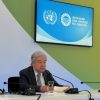
‘Ocean Health Is Inseparable From Human Health, Climate Stability’—UN Chief Urges Swift Action, Partnership for Ocean Conference
“When we poison the ocean, we poison ourselves,” UN Secretary-General António Guterres told reporters on the second day of the UN Ocean Conference (UNOC3).
Older Men and Women Living Longer
Older men and women are now living longer than ever before. Across the globe, individuals who reach old age can expect to have more years of life ahead of them than in previous generations. However, these additional years of life, coupled with the disparities among and within countries, including variations between older men and women, present substantial economic, social, and political challenges for societies.
UNOC3: World Leaders Recognize Urgent Need for Ocean Action
The world has converged along the Mediterranean Sea to affirm their commitments to the sustainable use and protection of the ocean.
UN vs US: the Battle for Transgender Rights
As the Trump administration continues its battle against the United Nations-- over war crimes, human rights, and the climate treaty, among others -- they also remain sharply divided over Lesbian, Gay, Bisexual, Transgender, and Intersex. (LGBTI) rights. The US has taken several actions, some by Executive Order, related to transgender people, including restricting Access to Gender-Affirming Care, banning Transgender Individuals from Military Service, rescinding Protections for Transgender Students and ending Federal Funding for gender Ideology.
Oceans at Risk: Report Warns Global Fossil Fuel Expansion Threatens Marine Biodiversity
A newly released report by Earth Insight in collaboration with 16 environmental organizations has sounded a global alarm on the unchecked expansion of offshore oil and gas projects into some of the most biologically rich and ecologically sensitive marine environments on the planet.
While Population Rises, Jobs Decline: Global Job Markets Tied to U.S. Consumerism
While Asia and the Pacific seem to be booming in employment and GDP growth, reports reveal a possible volatile and fragile market pegged to U.S. consumerism.
Is There a Case for UN Optimism?
On April 16, Seton Hall University's School of Diplomacy and International Relations hosted UN General Assembly President Philemon Yang as part of its World Leader Forum.
Why we Must Put Ocean-Positive Solutions at the Heart of Global Development
The ocean is far more than a vast expanse of water; it is a cornerstone of life and a critical driver of sustainable development. The intricate relationship between human development and the ocean underscores why ocean governance and sustainability are pivotal to global progress. Its significance becomes particularly evident in Small Island Developing States (SIDS), where the ocean is not just a resource but an intrinsic part of identity and survival.
CIVICUS’ New Leader Speaks on Global Declines in Civic Freedom
On June 1, CIVICUS Global Alliance, announced the appointment of Mandeep Tiwana as its new Secretary-General. With his tenure underway, Tiwana sat down with an IPS correspondent to discuss CIVICUS’s work in promoting civic freedom and solidarity in an increasingly autonomy-restrictive world.
Why the UN Staff Union Does Not Agree with the High Commissioner’s Expensive & Poorly-Managed Project
Like you, we attended last week’s townhall where UN High Commissioner (for Human Rights) Volker Turk presented his latest plans for moving staff out of headquarters. We note that this project has been carried out without adequate consultation with the staff union. The key points we learned and which we are concerned about:
Why the World Bank Should Lift Its Outdated Ban on Nuclear Energy
On June 10, the World Bank’s board will meet to consider lifting an outdated ban on nuclear energy – one that has remained in place for decades despite the growing global need for clean, reliable electricity.
Rethinking Digital Platform Design: A Systems Approach
A better internet that supports democracy rather than undermines it is possible. In 2025, we stand at a crossroads in the digital era. Our platforms have become the new public squares, but rather than fostering democracy and dignity, many are optimized for manipulation, division, and profit. The Council on Technology and Social Cohesion's "Blueprint on Prosocial Tech Design Governance" offers a systems-level response to this crisis.

In a Changing World, Protecting Nature is Protecting Our Future
In a world marked by armed conflict, threats to democracy, technological disruptions, and geopolitical tensions, many people are asking: Why should we prioritize environmental crises when there are other, more visible or perceived as more urgent challenges?
South Asian Cities Faced Relentless, Record-Breaking Heatwaves Last Year
From the blistering heat of Delhi’s streets to Colombo’s humid corners, workers in the informal economy are silently enduring the toll of labour on their bodies and livelihoods.
Life Below Water Goes Deep: Our Planet’s Greatest Untold Story
As David Attenborough reflects in his new documentary Ocean, “After living for nearly 100 years on this planet, I now understand the most important place on Earth is not on land, but at sea". We wholeheartedly agree - and urge governments convening at the 3rd United Nations Ocean Conference (UNOC3) in France next month to remember that life below water goes deep.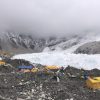
Glaciers More Sensitive to Global Warming, Now in Extreme Danger—Study
Almost 40 percent of glaciers that exist now are already in danger of melting even if global temperature stabilized at present-day conditions, a study says. An international study published in the journal Science finds that glaciers are even more sensitive to global warming than previously estimated.« Previous Page — Next Page »


The Week with IPS

NEXT STOP - SDGs
Tracking global progress towards a sustainable world
Tracking global progress towards a sustainable world
