Languages
Thursday, November 19, 2026



News and Views from the Global South
Regional Categories

Leaders Told To Put ‘Kids First’ at COP27
Lea is a three-year-old from Mexico who loves ladybirds. Siddhiksha, a six-year-old from India, has a passion for trees and wild animals. Rachelle is a 12-year-old Tanzanian who is wise beyond her years. They are smart and adorable and they are among the stars of a short film that is aiming to remind the leaders taking part in the COP27 UN Climate Conference that they have a duty of care towards young and future generations.
Climate Change is No ‘Future Scenario’ for Pacific Island Nations; Climate Change is ‘Real’
Pacific island countries are highly vulnerable to climate change, and several have disappeared – and more could sink under the sea owing to a rise in water levels.
Three Truths to Address Sexual Exploitation, Abuse & Harassment in the UN
The U.S. Government has recently published 'Engagement Principles' on Protection from Sexual Exploitation Abuse & Sexual Harassment within International Organizations', and while any involvement from Member States is to be encouraged, these principles do not address the fundamental need for either deterrence or for accountability.
COP27 Fiddling as World Warms
The latest annual climate conference has begun in the face of a worsening climate crisis and further retreats by rich nations following the energy crisis induced by NATO sanctions after the Russian invasion of Ukraine. Copping out again The 27th Conference of the Parties (COP 27) to the United Nations Framework Convention on Climate Change (UNFCCC) is now meeting in Sharm-el-Sheikh, Egypt, from 6 to 18 November 2022.
Climate crisis in Bangladesh: Stories from the ground

Adit Adhikary lives in Bangladesh’s southern coast, where land is going underwater, salinity is destroying agriculture and drinking water is scarce. Will conversations at COP27 reflect the needs of his community? Source: BRAC

Disappearing land in Bangladesh
Where do people go when their homes are washed away? In the 12 months since COP26, half of Lokkhi Mondol’s house has gone underwater.

Ground zero of the climate crisis
As COP27 ramps up, come with BRAC’s ED Asif Saleh to the frontline of the climate crisis in southern Bangladesh - where homes are now going underwater every day. We need climate action that gets to the ground, now. Source: BRAC

In Praise of Toilets
For those who have it, a toilet is that ‘thing’ in the bathroom, next to the bidet, the hand-washing sink with hot and cold water faucets, and the bathtub.
COP27: Cyclone Nearly Washed Away All My Dreams, says Vanuatu Youth Activist
The only thing Taren Chilia remembers about Cyclone Pam was that it flattened his school in Vanuatu, washing away books, equipment, and – well, almost his dreams too.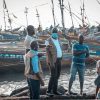
Why COP27 Matters to Sierra Leone
Sierra Leone is among the 10 percent of countries in the world that are most vulnerable to the adverse consequences of climate change, and presently one of the least able to cope with the effects.
COP27: Climate Justice: Where do the Religiously Marginalised Fit in?
Climate change reductionism – assuming the causes and the redress for those suffering the worst impacts of extreme weather lies with climate change alone - undermines the rights of religiously marginalised persons, but broadening whose rights are being advocated for in climate change can offer redress.
Indigenous Peoples Have Their Own Agenda at COP27, Demand Direct Financing
Indigenous peoples are no longer content just to attend as observers and to be seen as victims of the impacts of the current development model, at the 27th Conference of the Parties (COP27) on Climate Change. That is why they came to the summit in Egypt with an agenda of their own, including the demand that their communities directly receive funding for climate action.
Former War Zones in El Salvador Obtain Water with the Help of the Sun – VIDEO
Several community-run water projects powered by solar energy have improved the quality of life of thousands of rural families in areas that were the scene of heavy fighting during El Salvador's civil war in the 1980s. 
Market Lords, Much More than a War, Behind World’s Food Crisis
While grain exports continue to regularly flow to world's markets since the July 2022 Turkey-brokered agreement between Russia and Ukraine to resume cereals and fertilisers shipments from both countries, food prices are still skyrocketing everywhere. How come?
Academics’ Strike Puts Spotlight on Nigeria’s Brain Drain
For eight months, the halls of Nigeria's universities and colleges remained silent – the result of a lecturers' strike brought upon by a wage and conditions of service dispute.
A World of 8 Billion: Population Growth Will Continue But it’s Slowing Down
Global population is about to reach 8 billion, a mere 11 years after it reached 7 billion. The official Day of 8 Billion is observed by the UN November 15, though it's hard to pinpoint exactly when we pass the actual milestone.
Making the UN Charter a Reality: Towards a New Approach to Development Cooperation?
We are living in a world where both our bilateral and multilateral achievements, consensuses on human rights and social justice, and our resolve to public good are being tested like never before.
‘Tactical’ Nuclear Weapons Could Unleash Untold Damage, Experts Warn
Since the start of Russia’s invasion of Ukraine, the conflict’s potential to escalate to the use of nuclear weapons has been highlighted by political analysts and military experts alike.
Climate Finance for Locally-Led Climate Solutions Needs a New Focus
Imagine a world where the people hit hardest by climate crisis have a say in how to stop it. Imagine that youth, Indigenous Peoples, women, and others most affected by global warming have the resources to implement their own climate solutions. Solutions that are highly effective because they meet local needs, suit the local context, and create sustainable economic opportunities for local people. This world would be one where people have a much better chance of surviving, and even thriving, despite the massive upheavals of the climate crisis.
The Paradox of Invisibility: Submarine Cables and the Geopolitics of Deep Seas
The recent incidents of sabotage of the Nord Stream gas pipeline in the depths of the Baltic Sea, the authorship of which still raises doubts today, have reminded us that some of the key infrastructures that condition geopolitics, and our daily lives, are largely located deep under the sea.
Energy: Why Africa Must Be Part of Nuclear Energy Appetite
The search for energy diversification has taken a more frantic pace amidst the global energy transition debate.« Previous Page — Next Page »


The Week with IPS

NEXT STOP - SDGs
Tracking global progress towards a sustainable world
Tracking global progress towards a sustainable world
