Languages
Monday, August 3, 2026



News and Views from the Global South

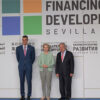
FfD4 at Sevilla Plants the Seeds of Debtor Unity
UN Member States adopted the ‘Compromiso de Sevilla’ at the Fourth Financing for Development Forum (FfD4) which concluded July 3-- the culmination of months of contentious negotiations that pitted wealthy nations against the developing world in competing visions for reform of the global economic architecture.
The Silencing of Hong Kong
Joshua Wong sits in a maximum-security prison cell, knowing the Hong Kong authorities are determined to silence him forever. On 6 June, police arrived at Stanley Prison bringing fresh charges that could see the high-profile democracy campaigner imprisoned for life. This is the reality of Hong Kong: even when behind bars, activists can be considered too dangerous ever to be freed.
Lessons from South Africa on Monitoring the Impact of Invasive Trees on Water Resources
Concerns about the impacts of invasive species is not new; it dates to the 19th century. The term was popularized in Charles Elton’s 1958 book “The Ecology of Invasions by Animals and Plants”. However, the concept gained significant attention in the 1990s and early 2000s as academic interest surged. This led to an increase in publications by invasion biologists.
The Rise of Islamophobia in New York’s Mayoral Elections– with the Statue of Liberty in a Burqa
The prospect of New Yorkers electing their first Muslim Mayor, come November, has ignited a rash of paranoid statements by right-wing US politicians, including Islamophobia-- the irrational fear and hatred against Islam and Muslims. Last week, a Republican politician caricatured America’s iconic Statue of Liberty wearing a burqa-- an outer garment worn by some Muslim women that covers the entire body and face. But that internet meme, spreading across social media, was deleted after protests.
Sudanese Refugees and IDPs Disproportionately Affected By Crisis
Since the wake of the Sudanese Civil War in 2023, Sudan has faced a dire humanitarian crisis that has been marked by extreme violence, widespread civilian displacement, and an overwhelming lack of basic services in relation to the massive scale of needs. The latest reports from a host of United Nations (UN) organizations shed light on the rapid deterioration of living conditions for Sudanese internally displaced persons (IDPs) and refugees.
Does the UN Overstep Its Responsibility to Protect Mandate?
The UN has been criticized by some member states for overstepping the mandate of its Responsibility to Protect (R2P) doctrine during a debate in the General Assembly.
African Fish Workers Excluded From International Trade Deals: Report
A new report has raised concerns about the exclusion of African fish workers from trade protocols between their governments and developed countries, resulting in impoverished communities relying on fishing.
Post-Earthquake Myanmar Faces ‘Immense’ Suffering, Cannot Be Forgotten
“Myanmar cannot become a forgotten crisis,” Jorge Moreira da Silva, Executive Director of the United Nations Office for Project Services (UNOPS), has said. “This country has faced cyclones, war, conflict, violence, climate and now immense suffering.”
UN80: Alternative Reform Pathways — Fiscal Prudence, Relocation Realities, & Underutilized Charter Mechanisms
Recent proposals to relocate UN operations to lower-cost duty stations ignore demonstrable economic patterns. Empirical evidence suggests that establishing UN hubs often triggers localized inflation, negating projected savings.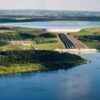
Pumped Storage Hydropower is an Option for Latin America
Having hydroelectric power without damming rivers, dismantling the environment or displacing populations is possible in Latin America and the Caribbean, with reversible power plants that take advantage of their mountainous geography, and pave the way for only renewable sources to generate electricity.
Democracy under Attack: Why the World Needs a New UN Special Rapporteur
When tanks rolled through Myanmar’s streets in 2021, civil society groups worldwide sounded the alarm. When Viktor Orbán systematically dismantled Hungary’s free press, democracy activists demanded international action. And as authoritarianism returns to Tanzania ahead of elections, it’s once again civil society calling for democratic freedoms to be respected.
Multi-Year Drought Gives Birth to Extremist Violence, Girls Most Vulnerable
While droughts creep in stealthily, their impacts are often more devastating and far-reaching than any other disaster. Inter-community conflict, extremist violence, and violence and injustice against vulnerable girls and women happen at the intersection of climate-induced droughts and drought-impoverished communities.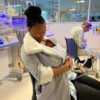
From Parliaments to the G20: A Call to Champion Women’s Sexual & Reproductive Health & Rights
About 21 million adolescent girls get pregnant annually in low- and middle-income countries. Beyond the numbers lie lost futures and deepening cycles of poverty that undermine girls’ education, wellbeing, and, ultimately, national development.
The Juggling of Aid: How WFP is Delivering More with Less
Serious-to-severe food insecurity has been widely felt among those living through the worst, protracted humanitarian crises. For organizations like the World Food Programme (WFP), they must work under the “relentless demand” for humanitarian aid, including food.
FFD4 Must Deliver for the World’s Most Vulnerable Nations
Five years from the 2030 deadline for the Sustainable Development Goals (SDGs), we face a development emergency. The promise to eradicate poverty, combat climate change, and build a sustainable future for all is slipping away. The SDG financing gap has ballooned to over $4 trillion annually—a crisis compounded by declining aid, rising trade barriers, and a fragile global economy.
Women and War: Victims of Violence and Voices of Peace
In 2023, approximately 612 million women and girls lived within 50 kilometers of a conflict zone, more than 50 percent higher than a decade ago. During war, they disproportionately suffer from gender-based and sexual violence.
Science Is Useless if No One Understands It
Despite delivering life-saving medicines, more nutritious crops, and transformative technologies like artificial intelligence (AI), science remains widely misunderstood, polarizing, and underappreciated. Much of this, experts say, comes down to one persistent issue: poor communication.
US Mayors Renew Call for US to Lead World–Back from Nuclear Brink
July 16, 2025, will mark the 80th anniversary of “Trinity,” the first nuclear test detonation, at Alamagordo, New Mexico, and August 6 and 9 will mark the 80th anniversaries of the United States atomic bombings of Hiroshima and Nagasaki. Rather than commemorating those somber anniversaries as a grim reminder of the past, this year they serve as a foreboding warning of what may be to come.
As FfD4 Kicks Off in Spain, Global Cooperation Still Matters
As the Fourth International Conference on Financing for Development (FfD4) kicks off in Sevilla, Spain, the stakes couldn’t be higher.
Trump Undresses Rival Trade Myths
President Trump’s tariffs have exposed neoliberal trade ideology and undermined corporate lobbying in the name of free trade. But his rhetoric has also exposed the fallacies of his own economic strategy.
When Life-Saving Treatment Disappears: The Coming Crisis in Child Malnutrition
On July 1st, USAID officially shuts down and transfers operations to the U.S. State Department. Amid growing uncertainty about the future of U.S. foreign assistance structures and funding, supply chains that deliver life-saving treatment to malnourished children worldwide have broken down, triggering a global nutrition crisis.« Previous Page — Next Page »


Want to keep up with the latest news and views from the Global South? Sign up for IPS Daily News Report for daily emails with our top stories about international development, climate change, gender and more. (Formerly IPS TerraViva since 1993).

The Week with IPS

NEXT STOP - SDGs
Tracking global progress towards a sustainable world
Tracking global progress towards a sustainable world
