Languages
Monday, October 19, 2026



News and Views from the Global South
Africa

How to Put the ‘Sexy’ Back into Agriculture – Thoughts From CGIAR Science Week
This week presented a beacon of hope for young people so that the “girl from the South and the boy, of course” could stay in the developing world, Dr Ismahane Elouafi, Executive Managing Director of CGIAR, said during a press conference on the final day of the CGIAR Science Week.
Insight to Impact: CGIAR Inaugural Flagship Report for Decision Makers Navigating Food System Science
"To have impact, it was crucial to understand what impact was wanted," CGIAR's Executive Managing Director Dr. Ismahane Elouafi said at the launch of the organization's flagship report, Insight to Impact: A decision-maker’s guide to navigating food system science.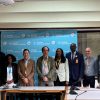
Strengthening One Health Approach in Agriculture Requires Cross-Sectoral Partnerships, Information
Increasingly, experts in the global health and agricultural sectors are finding the One Health approach effective for identifying and addressing health concerns that can influence facets of health. Implementing this approach worldwide will require partnerships across different sectors.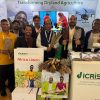
‘Act Before It Gets Worse’ – Experts Warn as Agrifood Problems in Global South Intensify
As agrifood systems in the Global South buckle under the weight of climate change, biodiversity, and even pollution, experts such as Dr. Himanshu Pathak call for urgent innovative solutions, as, at the current pace, the problems of the Global South are going to intensify with escalating climate change.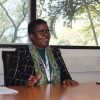
‘With Science, We Can Feed the World of 9.7 Billion by 2050′
Animal scientist Lindiwe Majele Sibanda became what her grandmother earnestly prayed for when she was growing up on a farm in southern Zimbabwe.
CGIAR Gender Impact Platform Needs a ‘Bold Approach’ in Agriculture Research
Women farmers face structural issues that prevent them from realizing their full potential, from societal perceptions that dictate their limitations to poor land. However, CGIAR's Gender Impact Platform Director, Nicoline de Haan, argues that leaning into a "victim" narrative does not serve them, especially when women are demonstrably more involved in agriculture.
Lessons from the Global South on Transforming AgriFood Systems
The state of food and nutrition security in the Global South masks the great strides and investments made to increase agricultural yields to feed a rapidly growing population. As discussions deepen at the ongoing CGIAR Science Week, plenary discussions on Wednesday (April 9) explored transformative strategies and innovations driving agricultural resilience across Africa, the Caribbean, and Latin America.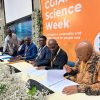
Partnerships Expected to Enhance Agricultural Development
Two crucial partnerships were signed at the CGIAR Science Week in Nairobi today (April 9, 2025), aimed at delivering research for development at scale across Africa.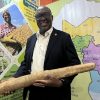
Farmers Need Science Solutions in Their Hands Sooner Than Later
Climate change is outpacing science and farmers are paying the price. Agricultural research innovations need to reach farmers before it is too late.
ASEAN-CGIAR Regional Programme Can Encourage South-South Collaboration
The ASEAN-CGIAR program "unlocks opportunities to look at commodities in the region, interest, markets, and capacity building, Director General of the International Rice Research Institute (IRRI) Dr. Yvonne Pinto said during a plenary that focused on fostering regional integration, scaling innovation, and amplifying the impact of CGIAR's research in addressing agricultural challenges.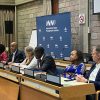
Science-Backed Solutions Buoying Water Security in East Africa
In East Africa, climate change has made water a lifeline and threat. In a region highly dependent on rainfall for growing crops, climate change is threatening water security but science-backed solutions are helping turn the tide.
Growing Legacy: Raising Ambition in Agriculture Scientific Research as CGIAR Unveil New Portfolio
Global food and nutrition insecurity levels are hurtling towards a catastrophe. To counter these problems, leading world experts say science is the 'silver bullet.' That science will build climate-resilient agri-food systems, improve livelihoods across the value chain, and ensure more affordable, nutritious food while safeguarding the environment.
Behind the Feeding of the 5,000 (or Should That Be 10,000) at CGIAR Science Week
Good Food for All is the motto of The Chef's Manifesto, a project that brings together more than 1,500 chefs from around the world to explore how to ensure the food they prepare is planet-friendly and sustainable.
Welcoming Science: CGIAR Week-Long Focus on Innovation for Food, Climate-Secure Future
The world’s leading scientists and decision-makers in agriculture, climate, and health are meeting in Nairobi this week to promote innovation and partnerships towards a food, nutrition, and climate-secure future. As current agrifood systems buckle under multiple challenges, nearly one in 11 people globally and one in five people in Africa go hungry every day.
CGIAR Science Week Seeks Solutions for a Food-Secure, Climate Resilient Future
CGIAR and the Kenyan Agricultural and Livestock Research Organization (KALRO) are bringing together the world’s leading scientists and decision-makers in agriculture, climate, and health for the first CGIAR Science Week. This gathering will be a key moment to advance research and innovation, inspire action, and establish critical partnerships that can secure investment in sustainable food systems for people and the planet.
Trapped by Tradition: The Widows of Ukerewe and the Ritual They Cannot Escape
The night after her husband was laid to rest, 24-year-old Vivian Magesa sat in the dimly lit brick-walled house, surrounded by women from her late husband’s family. She had spent the past few days in mourning, wrapped in a white shroud, her head shaved as custom dictated. But as the hushed voices of her in-laws filled the room, Magesa realized her grief was far from over.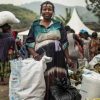
DR Congo: Millions Facing Destitution as Violence Forces People to Flee Multiple Times
The Norwegian Refugee Council (NRC) warns that 100,000s of people in eastern Democratic Republic of Congo (DRC) have been pushed into desperate conditions by the escalation of violent conflict in 2025.
Hunger and Heightened Insecurity Pushes Sudan to the Brink of Collapse
After nearly two years of extended warfare and protracted crises as a result of the Sudanese Civil War, Sudan remains the world’s biggest internal displacement crisis. According to the United Nations High Commissioner for Refugees (UNHCR), heightened insecurity, widespread famine, economic strife, and climate shocks threaten the lives of approximately 25.6 million people.
Forest Guards Risking Their Lives To Keep Malawi’s Forests Standing
In Malawi, being a forest guard isn’t a glamorous, sought-after job. And it has often been quiet, enjoying almost no publicity – until recently amid the worsening crashing down of the country’s forests, which is making the occupation increasingly perilous. In 2024 alone, a total of eight forest rangers got killed in separate incidents while in the line of duty, according to the Ministry of Natural Resources, which is responsible for the management of 88 forest reserves and 11 plantations across the country.
Organic Fertilizers Prove Effective on Tea as Farmers Abandon Synthetic Inputs
On the outskirts of Kericho town within Kenya’s Rift Valley region, Kaptepeswet tea farm, an organic tea estate sprawling on a 50-acre piece of land, is a testament that organic fertilizers can be used on mature tea bushes and still produce the desired quantity and quality of premium leaves.
African Diaspora Exhibition Showcases Transformative Solidarity and the Legacy of Slavery
Ahead of the International Day of Remembrance of the Victims of Slavery and the Transatlantic Slave Trade on March 24, the United Nations (UN) unveiled a new exhibition examining the themes of equality and transformative solidarity in the context of the African diaspora.« Previous Page — Next Page »





The Week with IPS

NEXT STOP - SDGs
Tracking global progress towards a sustainable world
Tracking global progress towards a sustainable world
