Languages
Sunday, November 8, 2026



News and Views from the Global South
Global
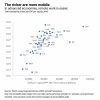
Teleworking Is Not Working for the Poor, the Young and the Women
The COVID-19 pandemic is devastating labor markets across the world. Tens of millions of workers lost their jobs, millions more out of the labor force altogether, and many occupations face an uncertain future. Social distancing measures threaten jobs requiring physical presence at the workplace or face-to-face interactions. Those unable to work remotely, unless deemed essential, face a significantly higher risk of reductions in hours or pay, temporary furloughs, or permanent layoffs. What types of jobs and workers are most at risk? Not surprisingly, the costs have fallen most heavily on those who are least able to bear them: the poor and the young in the lowest-paid jobs.
Beware the ‘Hunger’ to Access Indigenous Peoples’ Land and Resources for Post-COVID-19 Recovery
When governments and states begin their recovery journey from the economic downturn caused by the coronavirus pandemic, there might be a heightened threat to indigenous peoples, their land and resources. “The fear is [that] the economic recovery is based on access to land and natural resources,” Lola García-Alix, senior advisor on Global Governance at the International Work Group for Indigenous Affairs (IWGIA), told IPS.
Financialization: Tackling the Other Virus
The 1971 Bretton Woods (BW) system collapse opened the way for financial globalization and transnational financialization. Before the 1980s, most economies had similar shares of trade and financial openness, but cross-border financial transactions have been increasingly unrelated to trade since then.
How We Can Ensure the Safety of Our Health Workers
Recently, Barcelona's Liceu opera opened its 2020-2021 season by serenading a full house of plants with classical music. The plants will then be given to over 2,200 health workers who serve at the frontlines to battle the pandemic. The performance was both an appreciation for the workers and it also celebrated the return to normalcy following the devastations caused by COVID-19.
UN Chief Warns of Deadly Germs as Potential Bioterrorist Weapons
The coronavirus—which has claimed the lives of over 538,000 people and infected more than 11.6 million worldwide—has destabilized virtually every facet of human life ever since its outbreak in late December.
Innovative Financial Approaches Key to Unleash SIDS Economic Potential
Our world is transfixed by the great human toll and economic impact of the worst global pandemic in a century. For the 65 million inhabitants of small island developing states (SIDS), the impact of the novel coronavirus (COVID-19) is reminiscent of the worst forms of extreme weather events that SIDS contend with annually. Such events cost lives, undermine our hard-earned development gains, and hamper the aspirations and quality of life of our people. Our governments are routinely compelled to shift already scarce resources from social and economic investments to recovery and sustenance in the aftermath of disasters. For decades islands have been treading a development tightrope, which is increasingly precarious with the intensification of adverse climate impacts.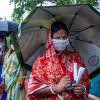
Security Council’s Overdue COVID-19 Ceasefire Resolution Must Put Women & Youth at Center
More than three months after UN Secretary General Antonio Guterres made an urgent appeal for a global ceasefire in response to the COVID-19 pandemic, the UN Security Council has finally passed a resolution supporting his call.
Why Does Racism Prevail? Leading Scholars Apply their Minds
All people belong to one biological species and there are no human “races”. So why does belief in race persist? It may be a scientific misconception, but it is real. It defines the lived experience of many people and determines how governments act and how people treat one another. How did race come to have this power and this durability?
The Missing SDG: Ensure the Digital Age Supports People, Planet, Prosperity & Peace
As the nations of the world prepare to gather virtually to assess progress towards the Sustainable Development Goals (SDGs), society is just beginning to imagine what a post-COVID world might be like.
When Women and Children Cannot Escape their Abusers
Reports of escalating violence against women and children made the news almost everyday in March and April following the announcement of lockdowns to control the spread of Covid-19. The main concern has been that victims cannot escape their abusers or seek help when they share a confined space and are under constant scrutiny and the threat of violence.
Q&A: Child Marriage, FGM and Harmful Practices on Women’s Bodies to Increase Because of COVID-19
An additional 5.6 million child marriages can be expected because of the coronavirus pandemic, which resulted in a short-term increase in poverty and the shutdown of schools. The current pandemic is also expected to have a massive impact on the projected growth of harmful practices on women’s bodies.
Global Economic Recovery must Prioritise Restructuring of Debt for Developing Countries
Unless there is a restructuring of debt for developing countries, the servicing for this debt will take away valuable resources from these nations that are needed to prevent the further suffering of people during the coronavirus pandemic -- particularly with regards to safeguarding the health systems, and protecting the “integrity and resilience of economies”.
Rethink Food Security and Nutrition Following Covid-19 Pandemic
The Covid-19 crisis has had several unexpected effects, including renewed attention to food security concerns. Earlier understandings of food security in terms of production self-sufficiency have given way to importing supplies since late 20th century promotion of trade liberalization.
Nuclear Testing, Never Again
Seventy-five years ago, on July 16, the United States detonated the world’s first nuclear weapons test explosion in the New Mexican desert. Just three weeks later, U.S. Air Force B-29 bombers executed surprise atomic bomb attacks on the cities of Hiroshima and Nagasaki, killing at least 214,000 people by the end of 1945, and injuring untold thousands more who died in the years afterward.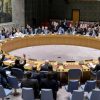
Cover-up at the UN: You Scratch My Back & I’ll Scratch Yours
The ongoing battle between China and the United States is threatening to paralyze the most powerful body at the United Nations – the 15-member Security Council (UNSC)—which has virtually gone MIA (missing in action) on some of the key politically-sensitive issues of the day.
”Murder Most Foul” – the Death of Olof Palme
Just as the U.S. is haunted by the 1963 murder of John F. Kennedy, Sweden is troubled by the 1986 murder of its Prime Minister Olof Palme. The American feelings were aired on Bob Dylan´s latest album, Rough and Rowdy Ways, containing a 16 minutes long song with lines like:
Are We Going from San Francisco?
Seventy-five years ago, on 26 June 1945, before the Japanese surrender ending the Second World War, fifty nations gathered at San Francisco’s Opera House to sign the United Nations (UN) Charter.
Put Climate at the Heart of COVID-19 Economic Recovery Plans
Cast your mind back. Six months ago—it seems like a lifetime—the world’s attention was on Madrid. The United Nations was meeting to take stock of international progress in fighting climate change. Headlines were dominated by young people pointing out—rightly—that governments were still not doing enough. They demanded urgent and ambitious action to cut emissions and help the most vulnerable.
Safety of Children an Afterthought for Tech Companies
Global upheaval caused by the COVID-19 pandemic has left society’s most vulnerable exposed. Instances of child sexual exploitation material (CSEM) found online have increased at an alarming rate over past months.
Q&A: Post COVID-19 Pandemic Let’s Stop the Next Wave of Medicalisation over Mental Health
The current pandemic is not only heightening mental health concerns, but might also put many at risk of becoming institutionalised or being neglected by the system.
How Deforestation Helps Deadly Viruses Jump from Animals to Humans
The coronavirus pandemic, suspected of originating in bats and pangolins, has brought the risk of viruses that jump from wildlife to humans into stark focus.« Previous Page — Next Page »





The Week with IPS

NEXT STOP - SDGs
Tracking global progress towards a sustainable world
Tracking global progress towards a sustainable world
