Languages
Tuesday, November 10, 2026



News and Views from the Global South
Afghanistan
Why U.S. and NATO Fed Detainees to Afghan Torture System
Starting in late 2005, U.S. and NATO forces in Afghanistan began turning detainees over to the Afghan National Directorate of Security (NDS), despite its well-known reputation for torture.Pakistan Moves to Curb More Aggressive U.S. Drone Strikes, Spying
The Pakistani military's recent demands on the United States to curb drone strikes and reduce the number of U.S. spies operating in Pakistan, which have raised tensions between the two countries to a new high, were a response to U.S. military and intelligence programmes that had gone well beyond what the Pakistanis had agreed to in past years.AFGHANISTAN:: New Therapy Battles Soaring Drug Addiction
A pioneering drug substitution programme in conflict-wracked Afghanistan has been hailed as a resounding success as local doctors and international health organisations battle soaring heroin addiction rates and an HIV/AIDS epidemic.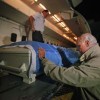
U.N. Member States Falter in Protecting Staffers, Peacekeepers
The United Nations has remained virtually helpless as hundreds of its staffers, mostly peacekeepers, are killed, kidnapped or victimised by unbridled violence worldwide.U.S.: Long-term Afghan Presence Likely to Derail Peace Talks
The announcement by U.S. Deputy Undersecretary of Defence Michele Flournoy in Congressional testimony Mar. 15 that the United States would continue to carry out "counter-terrorism operations" from "joint bases" in Afghanistan well beyond 2014 signaled that President Barack Obama has given up the negotiating flexibility he would need to be able to reach a peace agreement with the Taliban leadership.New Bid to Break Afghanistan Stalemate
As the Barack Obama administration seeks to limit its involvement in a third Muslim conflict in Libya, efforts are intensifying to help it find a political solution to the longest U.S. war – in Afghanistan.U.N. Reported Only a Fraction of Civilian Deaths from U.S. Raids
The number of civilians killed in U.S. Special Operations Forces (SOF) raids last year was probably several times higher than the figure of 80 people cited in the U.N. report on civilian casualties in Afghanistan published last week, an IPS investigation has revealed.
Ancient Buddhas Will Not Be Rebuilt – UNESCO
Afghanistan's historic Bamiyan Buddhas, destroyed by the Taliban 10 years ago, will not be reconstructed despite claims the 1,500-year-old statues could be repaired, the United Nations Educational, Scientific and Cultural Organisation (UNESCO) said Thursday.Pakistan Minorities Minister Killed
Pakistan's minister for minorities has been shot dead by armed men in Islamabad.Bill Would Aid Afghan Women Caught in U.S.-led War
As conflict continues to rage in Afghanistan, the U.S. Congress is gearing up to debate a bill that could support the country's long-oppressed women in their struggle to achieve gender equality, even in the years after the U.S. military occupation ends.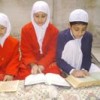
PAKISTAN: Mullahs Fight Math in Madrassas
The government has launched a programme to modernize religious schools so that students get a basic education in such subjects as math, English and even computers.Residents of Razed Afghan Village Dispute U.S. Case for Destruction
The commander of U.S.-NATO forces in southern Afghanistan, Maj. Gen. James Terry, asserted last month that the homes systematically destroyed by U.S. forces across three districts of Kandahar province as part of Operation Dragon Strike in October and November "were abandoned, empty and wired with ingenious arrays of bombs".Deferring to Petraeus, NIE Failed to Register Taliban Growth
Despite evidence that the Taliban insurgency had grown significantly in 2010, the U.S. intelligence community failed to revise its estimate for Taliban forces as part of a National Intelligence Estimate (NIE) on Afghanistan in December.Evidence of 2002 Taliban Offer Damages Myth of al Qaeda Ties
The central justification of the U.S.-NATO war against the Afghan Taliban - that the Taliban would allow al Qaeda to return to Afghanistan - has been challenged by new historical evidence of offers by the Taliban leadership to reconcile with the Hamid Karzai government after the fall of the Taliban government in late 2001.AFPAK: Polio Rises With Border Flows
Pakistan became the world’s top polio-endemic country in 2010 and is now the biggest source of the polio virus to countries declared polio-free many years ago. Due to the unrestricted movement of children along the long and porous Afghanistan-Pakistan border, both countries have begun to put in place a joint strategy to stem the tide of the ailment.
PAKISTAN: Militancy Takes On a Female Face
On December 25, a female suicide bomber, not more than 18 years of age, blew herself up killing at least 47 people and injuring 105 others.
AFPAK: People Turning Against Taliban
The Taliban once regarded as true jihadists here are rapidly losing popularity in response to their ongoing targeting of mosques, schools and innocent people.Afghanistan Solutions Heighten Central Asian Crisis
International efforts to replace poppy fields with food crops and improve living standards in impoverished northern Afghanistan seem undeniable progress in the conflict-ridden country. But some experts worry that these efforts will have unintended negative consequences for the nation’s neighbours, where water and energy resources are sparse and tensions run high.Oil Leak, Haiti, Afghanistan Dominated 2010 U.S. TV News
The disastrous BP oil leak in the Gulf of Mexico, the catastrophic earthquake in Haiti, and the continuing war in Afghanistan comprised the major news stories in 2010, according to the latest annual review of network news coverage by the authoritative Tyndall Report.How Afghanistan Became a War for NATO
The official line of the International Security Assistance Force (ISAF), the NATO command in Afghanistan, is that the war against Afghan insurgents is vital to the security of all the countries providing troops there.AFPAK: Give Us This Day Our Weekly Drone
Hundreds of Al-Qaeda and Taliban leaders have fallen to drones since the first attack that killed Taliban leader Nek Muhammad in South Waziristan. Now many local people welcome drones.« Previous Page — Next Page »





The Week with IPS

NEXT STOP - SDGs
Tracking global progress towards a sustainable world
Tracking global progress towards a sustainable world
